Succession Sowing
Sow small batches every 2–3 weeks in cool seasons so flower stalks and edible leaves mature in stages instead of all at once, giving a longer harvest window.

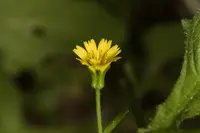
Edible star-hawkbit, Rhagadiolus edulis, is a small annual herb in the daisy family, valued traditionally as a wild edible in parts of the Mediterranean region. It usually forms a low rosette of narrow leaves and sends up slender stems topped with small yellow flower heads.
In nature it occurs in open fields, light grassland, and disturbed ground, often in sunny, moderately dry locations. Gardeners who care for Edible Star-hawkbit find it relatively easy, as it prefers well-drained soil, good light, and only modest moisture. Its simple structure and fast life cycle make it suitable for informal edible gardens or naturalistic plantings.

Care Difficulty
Moderate Care

Light Preference
Full Sun

Water Requirements
Moderate Water

Temperature Preference
Warm Climate

Hardiness Zone
8–10

Soil Texture
Sandy, Loamy, Organic-rich

Soil pH
Slightly acidic (6.5–7.0), Neutral (7.0)

Soil Drainage
Well-drained

Fertilization
Minimal (feed rarely)
Scan your plant to receive care tips personalized for your specific plant
Available on iOS and Android
This Mediterranean annual prefers bright, open conditions with moderate sun exposure.
This species prefers evenly moist but never waterlogged soil, especially during active growth.
This cool-season annual performs best in mild, temperate conditions without temperature extremes.
This species handles typical outdoor humidity and usually does not need special humidity control.
This Mediterranean annual prefers light, well-drained soil that never stays waterlogged.
This species can be grown in containers for edible or ornamental use.
This edible annual from dry habitats has modest nutrient needs but responds to light feeding in poor soils during active growth.
Rhagadiolus edulis needs minimal pruning, mainly to keep plants tidy and focused on healthy flowering.
This shallow-rooted annual is more often transplanted in beds or meadows than long-term potted and rarely needs true repotting.
This species is most commonly raised from seed, which keeps the natural genetic diversity of wild-type plants.
This Mediterranean annual is generally grown as a cool-season plant and needs little specific winter care in mild climates.

Plant Health Check
Not sure what's wrong with your plant? Check your plant's health inside the app.
This species is a small winter annual herb native to Mediterranean regions, typically germinating with autumn rains and completing its life cycle by late spring before summer drought arrives.
The young basal leaves have been traditionally eaten raw or cooked in parts of southern Europe and North Africa, usually harvested before the flowering stem elongates and the foliage becomes tougher.
Its yellow flower heads resemble those of dandelions and other Asteraceae, but they are borne singly on branched, slender stems and produce a characteristic pappus (hairy tuft) that aids wind dispersal of the fruits.
Yes, this species is traditionally eaten in parts of the Mediterranean. Young leaves and shoots are usually cooked or blanched to reduce bitterness. Always harvest from clean, unsprayed areas and confirm correct identification before consumption.
Keep your plants happy and healthy with plant identification, disease detection, and easy care guidance.