Ice Plant Care (Delosperma Fire Spinner)

About Ice Plant

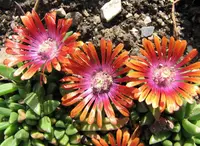
Ice plant Delosperma Fire Spinner is a low-growing, mat-forming succulent valued as a cold-hardy groundcover. It forms dense carpets of fleshy, triangular leaves close to the soil surface. In spring and early summer, it produces many daisy-like flowers with orange, magenta, and white tones that create a bright, bicolor effect.

This hybrid comes from South African Delosperma species adapted to rocky, well-drained habitats. Its drought tolerance and modest nutrient needs make it relatively simple for gardeners learning how to care for Ice Plant. It prefers full sun, sharp drainage, and dry to moderately dry conditions, which helps prevent rot and keeps growth compact.

Main Plant Requirements

Care Difficulty

Easy Care

Light Preference

Full Sun

Water Requirements

Low Water

Temperature Preference

Cold Hardy

Hardiness Zone

5–10

Soil Texture

Sandy, Loamy, Rocky

Soil pH

Slightly acidic (6.5–7.0), Neutral (7.0)

Soil Drainage

Well-drained

Fertilization

Minimal (feed rarely)

Get Personalized Care Plan

Scan your plant to receive care tips personalized for your specific plant

Available on iOS and Android

How to Care for the Ice Plant

Delosperma Fire Spinner thrives in bright, direct sun for compact growth and abundant flowers.

  • Provide 6–8 hours of direct sun daily; full sun is best for dense foliage and vivid blooms.
  • Tolerates light afternoon shade in very hot regions, but too much shade causes weak, stretched growth and fewer flowers in this Ice Plant.
  • In winter, plants in cold climates benefit from an open, sunny site that melts snow quickly and keeps foliage drier, reducing rot risk.

Delosperma Fire Spinner needs infrequent, deep watering and fast-draining soil to stay healthy.

  • Allow the top 3–5 cm of soil to dry completely before watering; established plants in the ground often manage on rainfall alone in many climates.
  • Use sharply drained, gritty soil or a raised bed so water does not pool around the roots, which quickly leads to rot.
  • Reduce watering in cool or cloudy weather; shriveling leaves and limp stems suggest drought stress, while mushy, yellowing leaves indicate overwatering.

This hardy succulent prefers warm conditions but tolerates substantial cold when soil drains well.

  • Optimal growth occurs around 65–80°F (18–27°C), especially during the main growing season in spring and early summer.
  • Mature plants in suitable regions can survive drops to about -10°F to -20°F (-23 to -29°C) if soil is well drained and not waterlogged.
  • Handles summer heat up to 95–100°F (35–38°C) if roots stay cool and dry, but prolonged heat with high humidity increases rot risk, especially in heavy soils.

Humidity is rarely a concern for Delosperma Fire Spinner, which thrives in dry air typical of heated or air-conditioned homes.

Delosperma Fire Spinner needs very fast-draining, lean soil to prevent root and crown rot.

  • Use a gritty, sandy mix such as 50–60% coarse sand or fine gravel blended with 40–50% cactus/succulent potting mix.
  • Aim for slightly acidic to neutral pH around 6.0–7.0, avoiding strongly acidic or alkaline conditions.
  • Improve drainage and aeration by adding inorganic materials like pumice or perlite rather than large amounts of compost.
  • Avoid dense, clay-heavy, or high-organic soils that stay wet longer than 1 day after thorough watering.

This species is well suited to container growing, especially in regions with cold winters or heavy rainfall.

  • Choose a shallow, wide container to match its mat-forming habit and keep the root zone from sitting in deep, wet soil.
  • Select unglazed clay or terracotta pots, which allow faster evaporation and help protect this succulent from excess moisture.
  • Raise the pot slightly on feet or bricks outdoors so drainage holes stay clear and water cannot pool under the container.

This drought-adapted succulent needs only light feeding to stay healthy and flowering.

  • Apply a thin layer of compost or a low-dose balanced NPK, such as 5-5-5, once in early spring.
  • Use a granular slow-release fertilizer in very lean soils, following label rates at the low end.
  • Dilute liquid feeds to 1/4–1/2 strength and apply no more than once in mid growing season.
  • Stop feeding Ice Plant in late summer so growth can harden before cold weather.

Pruning helps Delosperma Fire Spinner stay compact, tidy, and floriferous.

  • Cut back spent flower stems and straggly shoots after the main bloom to encourage rebloom and denser growth.
  • Remove dead, damaged, or winter-killed stems in early spring using clean, sharp scissors or hand pruners.
  • Lightly shear overgrown mats, trimming only the top growth to avoid exposing bare, woody centers.
  • Avoid hard pruning into old, leafless stems, as regrowth from these areas is often weak.

This plant is usually grown as a groundcover, so care focuses more on transplanting than frequent repotting.

  • Transplant in spring once soil is workable and nights stay above freezing for stable establishment.
  • Move or divide clumps when growth becomes crowded, flowering declines, or bare patches appear in the center.
  • For containers, step up to a slightly larger pot only when roots circle the drainage holes or growth slows.
  • Minimize root stress by using sharply drained soil, handling the root ball gently, and watering lightly after transplanting.

New plants are most often produced from stem cuttings or division of mature mats.

  • Take 5–8 cm non-flowering stem cuttings in late spring or early summer and remove the lower leaves.
  • Allow cut ends to dry for a few hours, then place in gritty, barely moist, well-drained mix.
  • Keep cuttings bright and warm, around 65–75°F, with minimal watering until roots form.
  • Lift and divide established clumps in spring, replanting firm, healthy sections at the same depth.

This succulent is generally cold hardy where suited but benefits from basic winter preparation.

  • In regions within its hardiness range, plants tolerate typical frosts without elaborate protection.
  • Ensure soil drains very well going into winter, since cold wet conditions cause root and crown rot.
  • Apply a light gravel mulch around the crown to reduce freeze–thaw heaving while keeping stems dry.
  • In colder zones or containers, move pots to a cold, bright, frost-free spot with minimal watering.

Care Tips

Improve Winter Drainage

In cold, wet climates, mound the planting area 5–10 cm above surrounding soil or use a raised, gritty bed so crowns sit high and avoid rot during winter thaws and rains.

Edge Retention Control

To keep mats from overtaking paths or neighboring plants, gently lift and trim back outer stems after flowering, then replant a few healthy cut pieces where thicker groundcover is desired.

Targeted Mulch Strategy

Instead of covering the crowns, place a thin band of coarse gravel or small stone mulch only around the plant base to suppress weeds while keeping stems dry and well aerated.

Propagation From Breaks

If stems snap while you are working nearby, let the broken pieces callus for 1–2 days, then press them into a shallow tray of dry, gritty mix to root and expand your stock when growing Ice Plant.

Flowering Performance Check

If flowering decreases, inspect for thick thatch of old, woody stems and gently thin out a portion of the oldest sections to open light and air to younger growth that will bloom more reliably.

Common Pests and Diseases

Aphids

These insects cluster on tender new growth and flower stems, sucking sap and causing distortion, sticky honeydew, and reduced flowering.

Solution

Rinse colonies off with a firm stream of water, then spot-treat remaining insects with insecticidal soap or a ready-to-use neem oil spray, applied in the early morning or evening. Encourage natural predators like lady beetles and avoid high-nitrogen fertilizer that promotes excessively soft growth.

Spider mites

These pests thrive in hot, dry conditions and cause fine stippling on leaves, a dull or bronzed appearance, and fine webbing between stems and foliage.

Solution

Spray plants thoroughly with water to knock mites off and raise local humidity, then follow with insecticidal soap or horticultural oil, making sure to cover leaf undersides. Repeat treatments every 5–7 days for several cycles and reduce plant stress by avoiding prolonged drought during extreme heat.

Mealybugs

These insects appear as white, cottony clusters in stem joints or on roots, weakening plants and stunting new growth as they feed on sap.

Solution

Isolate affected plants, then wipe visible mealybugs with cotton swabs dipped in isopropyl alcohol and follow with a targeted application of insecticidal soap. For severe infestations, lift plants from the soil, rinse roots to remove root mealybugs, and repot in fresh, well-drained mix, discarding the old substrate.

Crown rot

This disease develops when the plant’s crown remains wet and poorly ventilated, leading to soft, brown, collapsing growth at the base of the mat.

Solution

Remove and discard all affected, mushy tissue, then improve drainage by amending soil with coarse grit and avoiding overhead watering. Space plants for good airflow, water only at the base in the morning, and use raised beds or rock gardens to reduce moisture retention, which is key in how to take care of Ice Plant in humid or rainy climates.

Fungal leaf spots

Symptoms include small brown or black lesions on leaves and stems, sometimes with a yellow halo, which can merge and cause sections of the mat to thin out or die back.

Solution

Cut out and discard spotted or blighted sections to reduce spore spread, and avoid wetting foliage when irrigating. Improve airflow by thinning dense plantings, and if conditions remain wet, use a labeled ornamental fungicide as a preventive spray on nearby healthy growth.

Interesting Facts

Tri-color pinwheel flowers

The flowers have a distinctive pinwheel pattern with magenta outer petals, an orange middle band, and a white center, a color combination that is unusually vivid even among ice plants.

Hybrid alpine origins

This cultivar was selected from hybrid breeding work in Colorado to tolerate cold, dry, high-elevation conditions better than many other Delosperma, which contributes to its strong performance in rock and scree-style gardens.

Dense flowering carpet

Plants can form a low, spreading mat that becomes almost completely covered in blooms during peak flowering, creating a continuous floral carpet that leaves very little foliage visible.

Botan icon

Did you know?

Delosperma 'Fire Spinner' was introduced to horticulture through the Plant Select program in the Rocky Mountain region, highlighting its combination of cold hardiness and ornamental value as especially suitable for tough, water-limited landscapes.

FAQs about Ice Plant

Sparse flowering usually comes from too little sun, overly rich soil, or excessive watering. This species flowers best in lean, well-drained soil, full sun, and with minimal fertiliser. Winter damage to stems can also reduce bloom the following season.

Grow Healthy Plants with Botan Care

Keep your plants happy and healthy with plant identification, disease detection, and easy care guidance.

Botan plant care app — identify plants on mobile

Explore More Plants