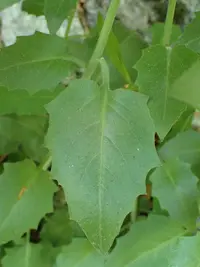
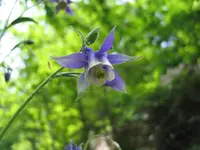
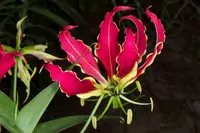
Bearn Pink Care (Dianthus benearnensis)

About Bearn Pink

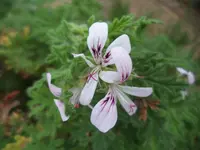
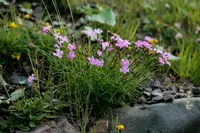
Bearn pink, Dianthus benearnensis, is a compact, clump-forming perennial from the Pyrenees in southwestern Europe. It belongs to the carnation family and is grown mainly for its ornamental flowers. The plant typically forms low cushions of narrow, blue‑green leaves topped with delicate, often fringed pink blooms. Flowers are usually fragrant and appear in loose clusters, attracting pollinators.

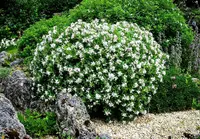
In gardens, Bearn pink is commonly used in rockeries, alpine beds, and the fronts of sunny borders where good drainage is available. It prefers bright light, lean, well‑drained soil, and moderate moisture levels. These traits make it relatively straightforward to grow for gardeners who learn how to care for Bearn Pink, provided the roots do not sit in waterlogged conditions.

Main Plant Requirements

Care Difficulty

Moderate Care

Light Preference

Full Sun

Water Requirements

Moderate Water

Temperature Preference

Cool Climate

Hardiness Zone

5–8

Soil Texture

Sandy, Loamy, Rocky

Soil pH

Slightly acidic (6.5–7.0), Neutral (7.0)

Soil Drainage

Well-drained

Fertilization

Minimal (feed rarely)

Get Personalized Care Plan

Scan your plant to receive care tips personalized for your specific plant

Available on iOS and Android

How to Care for the Bearn Pink

This alpine pink prefers bright conditions with cool, airy exposure for compact growth.

  • Provide 6–8 hours of direct sun daily, with strongest light in the morning; light afternoon shade helps prevent flower scorch in hot summers.
  • Tolerates light partial shade (3–4 hours sun) but flowering will be sparser and stems may stretch toward brighter exposure.
  • In very hot climates, protect Bearn Pink from intense afternoon sun using east-facing sites or light, filtered shade, especially during late spring and summer.

This species prefers slightly dry, free-draining soil rather than constant moisture.

  • Water when the top 2–3 cm of soil feels dry, then soak thoroughly so water drains quickly away from the root zone.
  • Reduce watering in cool seasons, increasing intervals so soil dries more deeply, and avoid wetting the foliage late in the day to limit fungal issues.
  • Signs of overwatering include yellowing, limp leaves and soft crowns; dry, curling foliage and stalled buds usually indicate the need for a deeper soak in well-drained soil.

This hardy perennial thrives in cool to mild conditions with good air movement around the foliage.

  • Optimal growth occurs around 55–70°F (13–21°C), with best flowering in cooler spring and early summer weather.
  • Mature plants often tolerate short dips to about 10–15°F (-12 to -9°C) in well-drained soil, but prolonged freeze-thaw cycles around the crown increase rot risk.
  • In hot climates, growth slows above 85°F (29°C); provide afternoon shade and avoid heat-reflecting sites near walls or paving to reduce heat stress.

This alpine species prefers relatively dry air and does not need extra humidity indoors or outdoors.

  • Target 30–50% humidity, similar to typical indoor air or a dry, breezy garden site.
  • Bearn Pink tolerates dry central heating well; avoid placing it in enclosed, steamy rooms or next to humidifiers.
  • Watch for limp, pale foliage or fungal spotting in very damp, stagnant air and improve airflow rather than adding moisture.

Dianthus benearnensis needs lean, sharply drained soil that never stays waterlogged.

  • Use a gritty mix such as 40% loam, 40% coarse sand or grit, and 20% compost to keep roots aerated.
  • Aim for slightly alkaline to neutral pH around 6.8–7.5; mix in a small amount of garden lime if soil is very acidic.
  • Improve drainage in heavy ground by raising the planting area and adding coarse grit or small gravel throughout the root zone.
  • Avoid dense clay, peat-heavy mixes, or spots where water collects, which increase root rot risk and shorten plant lifespan.

This species is well suited to container growing, especially in shallow, free-draining pots.

  • Choose a wide, relatively shallow pot so the fibrous roots can spread horizontally without sitting in deep, wet compost.
  • Use a mineral-based mix and elevate the container slightly on pot feet to keep drainage holes clear after rain or irrigation.
  • Select unglazed terracotta in wet climates to allow faster evaporation, preventing the compact root system from remaining overly moist.

Dianthus benearnensis benefits from light, consistent feeding during the main growing season.

  • Use a balanced, low-salt fertilizer (around 10-10-10) at half strength every 4–6 weeks in spring and early summer.
  • Alternatively, mix a thin layer of fine compost into the topsoil once in spring for slow nutrient release.
  • Avoid high-nitrogen products, which cause soft, floppy growth and fewer flowers on Bearn Pink.
  • Stop feeding in late summer and do not fertilize in winter dormancy to prevent weak, frost-prone shoots.

Pruning Dianthus benearnensis supports compact growth and repeat flowering.

  • Deadhead spent blooms in late spring and summer by cutting just above a leaf node to encourage new buds.
  • Remove dead, diseased, or winter-damaged stems in early spring using clean, sharp scissors or hand pruners.
  • Lightly shear back straggly or leggy stems by 1/3 after the main flush to maintain a dense, mounded shape.
  • Thin out crowded interior stems to improve airflow and reduce fungal issues in humid or wet conditions.

This species is usually grown in garden beds, but container plants may need occasional repotting or transplanting.

  • Check for roots circling the pot drainage holes, water running straight through, or slowed growth as signs it is pot-bound.
  • Plan transplanting or repotting for early spring or early fall when temperatures are mild and stress is lower.
  • Move into a slightly larger pot with free-draining, gritty mix, keeping the crown at the same soil level as before.
  • Water gently after transplanting, keep in bright but not harsh sun for 3–5 days, and avoid heavy feeding until recovery.

Dianthus benearnensis is commonly propagated to maintain desirable flower and growth traits.

  • Take non-flowering stem cuttings in late spring or summer, 5–8 cm long, and root them in a moist, gritty, well-drained mix.
  • Keep cuttings in bright, indirect light at 60–70°F, maintaining slightly moist but not waterlogged conditions until roots form.
  • Divide mature clumps in early spring, replanting divisions promptly so crowns sit level with the surrounding soil.
  • Sow seeds in late winter under cover, using a fine seed mix, and provide light, even moisture, and good air circulation.

This plant is generally cold hardy but benefits from simple winter care in colder regions.

  • In zones with freezing winters, apply a light, dry mulch layer around the root zone after the ground cools, not touching crowns.
  • Avoid heavy, wet mulch directly over foliage, which increases rot risk during freeze–thaw cycles.
  • For containers in very cold climates, move pots to a sheltered, unheated but frost-sheltered area to protect roots.

Care Tips

Encourage Compact Mounds

Pinch or lightly shear back spent flowering stems by 2–3 cm to keep plants dense, reduce lodging, and stimulate a new flush of buds rather than letting stems elongate and flop.

Maximize Flower Scent

Cut stems for indoor display early in the morning when petals are dry and just opening, using a clean sharp blade and placing stems immediately into cool water to preserve the strong clove-like fragrance.

Improve Alpine Drainage

In heavier soils, build a slight gravelly mound or raised strip 5–10 cm above the surrounding bed so the crown sits high and excess water drains away from the base, reducing crown and root rot risk.

Winter Crown Protection

Before hard freezes, mulch only around (not over) the woody crown with fine gravel or grit to buffer freeze–thaw cycles and prevent water from pooling at the growing point, which is important for long-term Dianthus benearnensis plant care.

Strategic Dividing Technique

Every 3–4 years, lift and divide only the vigorous outer portions of the clump in early spring, discarding the woody center so that new sections root quickly and maintain the plant’s tight, floriferous habit.

Common Pests and Diseases

Rust

This disease causes orange to brown powdery pustules on leaves and stems, often leading to yellowing and premature leaf drop in cool, moist conditions.

Solution

Remove and discard affected leaves, avoid overhead watering, and improve air circulation around plants; if needed, apply a sulfur- or myclobutanil-based fungicide labeled for ornamental dianthus, following the product directions carefully.

Fusarium wilt

This disease leads to gradual wilting, yellowing, and stunting, often starting on one side of the plant, with brown streaks sometimes visible in the lower stems.

Solution

Remove and destroy symptomatic plants including roots, avoid replanting carnation-type dianthus in the same soil for several years, and use well-drained, clean potting mixes or solarized beds to reduce future Fusarium pressure when growing Bearn Pink.

Leaf spots

This disease produces small brown to purple spots on leaves that can merge into larger lesions, causing foliage to look scorched and thin, especially in humid weather.

Solution

Trim off affected foliage, water at soil level rather than overhead, space plants to enhance airflow, and if spotting continues, use a chlorothalonil or copper-based fungicide labeled for dianthus, rotating products to reduce resistance risk.

Aphids

These insects cluster on new growth and flower stems, sucking plant sap and causing distorted leaves, sticky honeydew, and sometimes sooty mold on foliage and buds.

Solution

Spray colonies off with a firm stream of water, then treat remaining insects with insecticidal soap or a light horticultural oil, repeating every 5–7 days until populations drop, and encourage natural predators such as lady beetles by avoiding broad-spectrum insecticides nearby.

Spider mites

This pest causes fine speckling and dull, grayish foliage, often accompanied by fine webbing between leaves and stems during hot, dry conditions.

Solution

Increase humidity around plants slightly, rinse foliage thoroughly with water including leaf undersides, and apply insecticidal soap or a low-rate horticultural oil weekly for several cycles, monitoring closely and discarding severely infested stems if regrowth is healthy from the base.

Interesting Facts

Restricted Pyrenean endemic

This species is naturally restricted to a small area in the western Pyrenees in France, where it grows on rocky slopes and limestone outcrops in subalpine conditions.

Specialist limestone plant

The roots and physiology of this carnation are adapted to calcareous substrates, so it is typically found on basic, lime-rich soils rather than acidic ones.

Conservation concern status

Dianthus benearnensis is considered rare in the wild and has been assessed at regional and national levels for conservation, leading to its protection and targeted preservation in parts of its native range.

FAQs about Bearn Pink

Lack of flowers often comes from too little light, excess nitrogen fertilizer, or old, woody stems. Ensure enough sun exposure, avoid high-nitrogen feeds, and shear or deadhead spent stems to stimulate new, flower-producing growth.

Grow Healthy Plants with Botan Care

Keep your plants happy and healthy with plant identification, disease detection, and easy care guidance.

Botan plant care app — identify plants on mobile

Explore More Plants