Rocky planting pockets
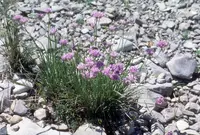
Tuck plants into small crevices or behind low stones in rock gardens or walls to mimic their alpine habitat, which helps keep crowns cool, improves drainage around roots, and stabilizes the plants against wind.

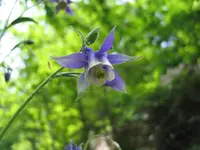
Pyrenean columbine, Aquilegia pyrenaica, is a compact perennial from the Pyrenees mountains of France and Spain. It forms neat clumps with delicate, divided leaves and nodding blue to violet flowers.
The plant typically grows in rocky alpine meadows and open slopes, which gives it good cold tolerance and a preference for cooler conditions. Once established, it can be relatively long-lived but may self-seed and move around a garden.
Gardeners who learn how to care for Pyrenean Columbine find it manageable, provided it has well-drained soil, moderate moisture, and light shade in hotter climates.

Care Difficulty
Moderate Care

Light Preference
Partial Shade

Water Requirements
Moderate Water

Temperature Preference
Cold Hardy

Hardiness Zone
4–8

Soil Texture
Loamy, Rocky, Organic-rich

Soil pH
Acidic (5.5–6.5), Slightly acidic (6.5–7.0)

Soil Drainage
Moist but well-drained

Fertilization
Minimal (feed rarely)
Scan your plant to receive care tips personalized for your specific plant
Available on iOS and Android
This alpine perennial prefers bright conditions with protection from harsh midday exposure.
This species prefers steadily moist, cool soil without prolonged drying or waterlogging.
This mountain species thrives in cool to mild conditions and tolerates substantial cold.
This alpine perennial handles a wide humidity range and does not usually need special humidity management outdoors.
This species prefers cool, moist, well-aerated soil that never stays waterlogged.
This species can be grown in containers if the pot supports its fibrous root system and consistent moisture needs.
This alpine perennial needs only light feeding on poor soils, so fertilization for Pyrenean Columbine should stay modest.
Pruning Aquilegia pyrenaica focuses on deadheading and tidying to support flowering and plant health.
This species is usually grown in the ground; transplant Aquilegia pyrenaica only when necessary to avoid disturbing its taproot.
Aquilegia pyrenaica is most commonly propagated from seed, with division used sparingly due to its taproot.
This columbine is cold hardy and generally needs minimal winter care in most temperate climates.

Plant Health Check
Not sure what's wrong with your plant? Check your plant's health inside the app.
This species is naturally restricted to the central Pyrenees, where it grows on rocky slopes and alpine grasslands, typically at higher elevations with cool summers.
Compared with many other columbines, it stays low and forms tight clumps, an adaptation that helps it resist wind and temperature extremes in its native mountain habitats.
Its nodding blue flowers have notably long nectar spurs that mainly attract long-tongued pollinators such as certain bumblebees, a classic example used in studies of floral adaptation and pollinator fit.

In its native range, this plant is considered a characteristic element of Pyrenean calcareous rock flora and is often used by alpine botanists as an indicator of lime-rich, well-drained mountain substrates.
This alpine columbine is highly attractive to pollinators. Its nectar-rich, nodding flowers are especially favored by long-tongued bees and small butterflies, supporting garden biodiversity and improving pollination for nearby flowering plants.
Keep your plants happy and healthy with plant identification, disease detection, and easy care guidance.