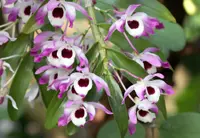
tropical sundew Care (Drosera burmanni)

Also known as: Burman's Sundew, Burmese Sundew
tropical sundew

About tropical sundew

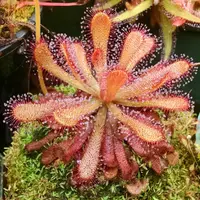
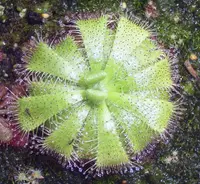
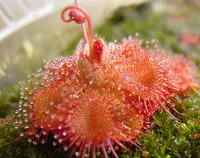
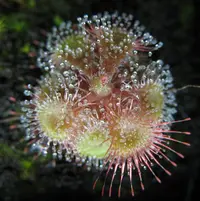
Drosera burmanni is a small, fast-growing tropical sundew, a carnivorous plant that traps insects with sticky, glistening hairs on its leaves. It usually forms a low rosette that stays compact, making it suitable for indoor setups and small spaces.

This species naturally occurs in warm, open habitats across parts of Asia and northern Australia, where soils are nutrient-poor and often seasonally wet. It is considered one of the easier sundews to grow, but it still needs consistently moist conditions, high light, and low-mineral soil. Understanding how to care for tropical sundew mainly involves providing bright light, pure water, and avoiding fertilizer in the soil.

Main Plant Requirements

Care Difficulty

Moderate Care

Light Preference

Full Sun

Water Requirements

Aquatic

Temperature Preference

Tropical / Frost Sensitive

Hardiness Zone

Unknown

Soil Texture

Sandy, Peaty, Organic-rich

Soil pH

Strongly acidic (4.5–5.5)

Soil Drainage

Waterlogged tolerant

Fertilization

Minimal (feed rarely)

Get Personalized Care Plan

Scan your plant to receive care tips personalized for your specific plant

Available on iOS and Android

How to Care for the tropical sundew

This small sundew needs strong light to form dense red traps and stay compact.

  • Provide 6–8 hours of direct morning sun plus bright light the rest of the day; in hotter climates, give filtered light after midday.
  • Outdoors, an east- or southeast-facing exposure works best; indoors under lights, place tropical sundew 10–20 cm below strong LED grow lights for similar intensity.
  • Watch leaves: pale green, elongated growth indicates too little light, while crisped tips or bleached patches signal sun scorch from excessive afternoon sun.

This species prefers consistently wet, low-mineral conditions that mimic a nutrient-poor bog.

  • Keep the soil saturated but not flooded long-term; the surface should stay glossy damp, never allowing more than the top 1–2 mm to dry.
  • Use rainwater, distilled, or reverse-osmosis water; mineral buildup on soil or leaf tips indicates unsuitable tap water for Drosera burmanni.
  • In summer heat, increase water depth or frequency so the root zone stays cool; wilted leaves or reduced dew suggest underwatering, while sour odor and black roots indicate waterlogged anaerobic conditions.

This tropical carnivore grows best in warm, frost-free conditions with minimal temperature swings.

  • Aim for 70–85°F (21–29°C) during the growing season, with only slight nighttime drops to support steady photosynthesis and dew production.
  • Protect from cold; growth slows below 60°F (16°C), damage often appears below 50°F (10°C), and frost or freezes can quickly kill the plant.
  • In hot spells above 90°F (32°C), give light shade and strong air movement; avoid hot, enclosed spots where leaf burn and stalled growth become more likely.

This species prefers consistently humid air to maintain active dewdrop production.

  • Aim for 50–70% humidity; brief drops lower are tolerated if soil moisture stays stable.
  • Dry indoor air causes leaf tips to brown and dew droplets to shrink or disappear.
  • To raise humidity, group pots in a tray of water with pebbles or use a small nearby humidifier, avoiding enclosed domes that trap stagnant air.

This sundew needs a wet, nutrient-poor, airy medium rather than conventional potting soil.

  • Use a mix of 50–70% unfertilized sphagnum peat moss with 30–50% perlite or silica sand for a loose, fine texture.
  • Maintain constant moisture and very fast drainage so the mix stays saturated but not anaerobic, meaning deprived of oxygen.
  • Keep pH mildly acidic around 4.5–5.5, which suits Drosera burmanni and helps prevent nutrient burn from mineral buildup.
  • Avoid compost, manure, regular potting mix, or fertilizers, which supply excessive nutrients that burn roots and suppress carnivorous leaf function.

This compact species is very suitable for container growing.

  • Choose a wide, shallow pot so roots spread in the upper layer, which stays evenly moist and oxygenated.
  • Use plastic or glazed ceramic containers, which slow evaporation and help maintain the constantly wet conditions this species prefers.
  • Select a stable pot shape that resists tipping when the foliage spreads outward and the water tray underneath is moved or bumped.

Fertilizer use for Drosera burmanni should be minimal and highly diluted to avoid root and leaf burn.

  • Use a very weak balanced NPK liquid fertilizer (about 1⁄8–1⁄4 strength) applied only to the soil, never onto sticky leaves.
  • Feed during the active growing season every 4–6 weeks at most, skipping applications if growth already looks strong.
  • Avoid feeding during winter or any resting period, as reduced light and growth increase the risk of fertilizer stress.
  • Supplement nutrient needs by allowing the tropical sundew to catch small insects, which is its primary nutrient source.

Pruning Drosera burmanni focuses on hygiene and maintaining light access to active leaves.

  • Trim dead or blackened leaves at the base throughout the growing season using small, clean scissors to limit fungal issues.
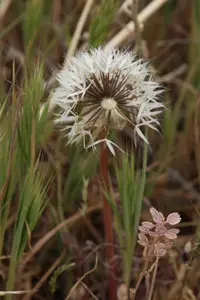
  • Remove spent flower stalks once seed is collected or unwanted, directing energy back into leaf and trap production.
  • Thin crowded rosettes lightly if they shade each other, improving air circulation and light penetration to inner leaves.
  • Disinfect tools with alcohol before use to reduce the chance of spreading disease between plants.

Repotting Drosera burmanni is done mainly to refresh the low-mineral substrate and manage clumping plants.

  • Look for slow growth, algae buildup, or roots circling drainage holes as signs the plant benefits from repotting.
  • Aim to repot every 1–2 years in late winter or early spring, just before strong new growth starts.
  • Use a low-nutrient mix such as 1:1 sphagnum peat and perlite, keeping roots shaded and moist during the process.
  • Gently firm the mix around the root zone, water with pure rain or distilled water, and keep humidity high for 1–2 weeks to reduce stress.

Propagation of Drosera burmanni is common from both seeds and leaf cuttings under warm, bright conditions.

  • Sow fresh seeds on the surface of moist, low-nutrient peat and perlite mix in spring, without covering them, as light aids germination.
  • Maintain temperatures around 70–80°F and high humidity with bright, indirect light to support steady germination.
  • Take healthy leaf cuttings, lay them flat on damp medium, and cover with clear plastic to retain moisture until plantlets form.
  • Once seedlings or plantlets have several true leaves, gradually increase ventilation and light before potting individually.

Winter care for Drosera burmanni focuses on maintaining warmth and adequate light, as this species is not frost hardy.

  • Keep temperatures above 55°F; prolonged exposure to near-freezing conditions can kill the plant.
  • Move container plants indoors or into a heated greenhouse before the first frost in temperate climates.
  • Provide strong artificial lighting (12–14 hours) if natural winter light is weak, to prevent severe decline.

Care Tips

Seed Bank Rotation

Allow a few flowers to set seed in late summer, then gently tap the dried pods over the pot so fresh seed maintains a dense colony and replaces short-lived adult plants without repotting the whole container.

Tray Water Management

Use a shallow tray and let the water level cycle between 0.3–1 cm so roots stay oxygenated; top up before the tray dries fully rather than keeping the pot constantly flooded.

Summer Heat Strategy

In very hot spells above 90°F, move pots to bright but slightly filtered light and increase air movement to reduce leaf scorch and keep mucilage production strong.

Aphid and Mite Control

Inspect flower stalks and new growth weekly and, at the first sign of aphids or spider mites, submerge the entire pot in rainwater or distilled water for 24 hours to drown pests without chemicals.

Succession Sowing

Sow a small batch of fresh seed every 3–6 months in the same or additional pots so there is always a new generation coming up, which is one of the most reliable methods for growing tropical sundew long term.

Common Pests and Diseases

Fungus gnats

These insects thrive in constantly wet carnivorous media and their larvae feed in the top layer of the substrate, sometimes stressing young plants and seedlings.

Solution

Allow the surface of the medium to approach just-damp between waterings, use clean, low-nutrient substrate, and apply a biological control such as Bacillus thuringiensis israelensis (Bti) via the water tray if larvae are present; yellow sticky traps help reduce flying adults without harming the plant.

Aphids

These insects can colonize young leaves and flower stalks, sucking sap and causing distortion, stunting, and reduced dew production.

Solution

Rinse plants gently with room-temperature water to dislodge colonies, then treat with a dilute, carnivorous-plant-safe insecticidal soap or neem solution applied carefully to avoid pooling in the crown; repeat after 5–7 days and isolate infested plants from healthy ones.

Spider mites

This pest appears in hot, dry conditions and can cause pale stippling, webbing on tentacles, and a noticeable decline in mucilage production.

Solution

Increase humidity and airflow, shower the foliage with a gentle stream of water to remove mites, and if needed use a targeted miticide or sulfur-free horticultural oil applied lightly, repeating treatments according to label directions while monitoring for stress in the leaves.

Botrytis blight

This disease, caused by the fungus Botrytis cinerea, produces gray, fuzzy mold on dead insect remains or older leaves and can spread onto healthy tissue in stagnant, very humid air.

Solution

Remove and discard affected leaves and any moldy debris, increase air circulation while maintaining bright light, and avoid splashing water on the foliage; in severe or recurrent cases, a light application of a low-toxicity fungicide labeled for ornamentals can be used cautiously on a small test area first.

Algal and cyanobacterial growth

Symptoms include green, brown, or blue-green films or crusts on the soil surface in very wet, nutrient-contaminated media, which can smother fine roots and seedlings and indicate excess mineral buildup that stresses the plant.

Solution

Top-dress or repot into fresh, low-mineral medium using distilled, rain, or reverse-osmosis water, reduce direct fertilizer exposure, and keep the water level slightly lower in the tray so the surface layer can receive more light and air; physically scrape away thick mats of growth during repotting to keep Drosera burmanni plant care conditions stable.

Interesting Facts

Fastest tropical sundew

This species is known as one of the fastest-moving sundews, with tentacles that can bend toward struggling prey in well under a minute under warm, bright conditions.

Short-lived annual habit

In many parts of its range, this plant behaves as a short-lived annual, germinating, flowering, and setting seed quickly before harsh dry seasons return.

Wide Asian–Australian range

It occurs naturally from India and Southeast Asia through southern China to northern Australia, often in open, sandy, nutrient-poor soils that remain seasonally wet.

Botan icon

Did you know?

Plants in this species can produce large amounts of tiny, dust-like seeds that readily colonize disturbed wet ground, allowing populations to appear rapidly after events such as soil scraping or seasonal flooding.

FAQs about tropical sundew

Brown leaves usually result from dry air, mineral-rich tap water, or old foliage naturally dying back. Use low-mineral water, keep humidity moderate, and remove dead leaves. Check for scorching from direct window glass or heat sources.

Grow Healthy Plants with Botan Care

Keep your plants happy and healthy with plant identification, disease detection, and easy care guidance.

Botan plant care app — identify plants on mobile

Explore More Plants