Poppy-flowered Sundew Care (Drosera cistiflora)

Also known as: Leafy Sundew, Roseflower Sundew, Snotrosie
Poppy-flowered Sundew

About Poppy-flowered Sundew

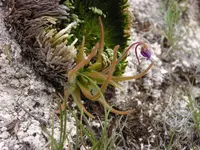
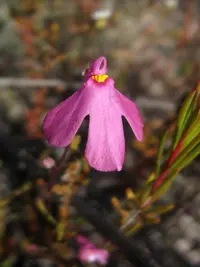
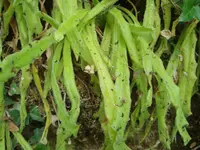
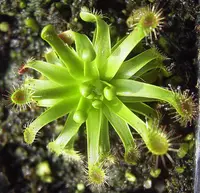
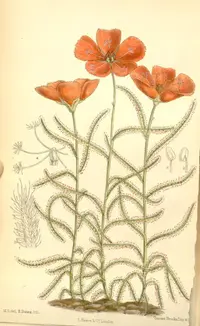
Poppy-flowered sundew (Drosera cistiflora) is a perennial carnivorous plant from winter-rainfall regions of South Africa. It grows from an underground tuber and is seasonally dormant in summer. Slender upright stems carry sticky, gland-covered leaves that trap small insects, which supplement the plant’s nutrients in poor, sandy soils. Large poppy-like flowers in bright pink, red, or white appear above the foliage and create strong visual contrast with the fine leaves. This species prefers open, bright conditions, moist but well-drained acidic soil, and a distinct dry rest period, which makes it more challenging than many common houseplants. Understanding these seasonal needs is key to how to care for Poppy-flowered Sundew successfully.

Main Plant Requirements

Care Difficulty

Hard Care

Light Preference

Full Sun

Water Requirements

Keep Soil Moist

Temperature Preference

Cool Climate

Hardiness Zone

9–10

Soil Texture

Sandy, Peaty, Organic-rich

Soil pH

Strongly acidic (4.5–5.5)

Soil Drainage

Waterlogged tolerant

Fertilization

Minimal (feed rarely)

Get Personalized Care Plan

Scan your plant to receive care tips personalized for your specific plant

Available on iOS and Android

How to Care for the Poppy-flowered Sundew

This South African sundew needs strong, direct light to form compact rosettes and good coloration.

  • Provide 6–8 hours of full sun daily, with morning and early afternoon sun ideal; light shade after 3–4 p.m. helps reduce stress in very hot regions.
  • In cooler, coastal, or windy sites, Poppy-flowered Sundew tolerates full sun all day if the soil stays consistently moist and does not overheat.
  • Leggy growth, pale leaves, and weak dew indicate insufficient light, while crisped leaf tips or brown patches signal sun scorch and the need for light afternoon shade.

This winter-growing sundew prefers evenly moist, low-mineral conditions without long dry periods during active growth.

  • During the cool growing season, keep the soil consistently damp; allow only the top 0.5–1 cm to approach dryness before rewetting with rain, distilled, or reverse-osmosis water.
  • Use a sandy, fast-draining medium so water drains within seconds; standing water around the crown for days encourages rot and blackening of the base.
  • As plants enter summer dormancy, gradually reduce watering so the soil becomes only slightly moist; wilting and curling traps suggest underwatering, while mushy, limp leaves indicate overwatering of Drosera cistiflora.

This species is adapted to cool, wet winters and hot, dry summers, so temperature needs change with the season.

  • For active winter growth, aim for 50–68°F (10–20°C) days and slightly cooler nights; short dips to 41°F (5°C) are usually tolerated if the soil is not waterlogged.
  • Avoid hard frost; repeated exposure below 32°F (0°C) can kill foliage and crowns, especially in saturated soil, so protection or relocation is advisable in colder climates.
  • In summer dormancy, plants handle 77–90°F (25–32°C) with dry or only slightly moist soil; above 95°F (35°C), provide airflow and light shade to prevent overheating of the root zone.

This species benefits from moderately humid air but adapts if roots stay evenly moist.

  • Aim for 40–60% humidity to support active dew production on leaves.
  • Plants tolerate short periods of drier air if soil moisture is maintained and direct hot drafts are avoided.
  • Watch for dull, dry leaf surfaces and stalled growth as signs of low humidity stress in Poppy-flowered Sundew and increase humidity with nearby trays of water or grouped plants.

This carnivorous species requires a nutrient-poor, open, and fast-draining yet moisture-retentive substrate.

  • Use a mix of 1:1 sphagnum peat moss and coarse silica sand to mimic its native sandy, acidic habitat.
  • Ensure the soil drains freely but stays evenly moist, never waterlogged or fully dry, to protect fine roots.
  • Keep pH slightly acidic, around 4.5–5.5, and avoid any mix containing fertilizer, compost, bark fines, or standard potting soil.
  • If drainage seems sluggish, increase the proportion of coarse sand to improve aeration and prevent anaerobic conditions around the roots.

This species is suitable for container growing when the pot is chosen to support its deep, seasonally resting roots.

  • Select a tall pot to allow space for the root system and underground resting structures, reducing stress in dormancy periods.
  • Use inert plastic or glazed ceramic containers to keep moisture more stable and limit mineral leaching into the substrate.
  • Place the pot in a stable tray with shallow standing water to maintain consistent moisture without submerging the entire container.

This carnivorous species needs very little added nutrition and is often healthiest without conventional fertilizer.

Drosera cistiflora needs only light grooming rather than structured pruning.

  • Best done in late dormancy or early active growth, when new shoots start to emerge.
  • Gently remove dead flower stalks, blackened leaves, and any moldy tissue with fine scissors or tweezers.
  • Avoid cutting healthy leaves, since this reduces photosynthesis and prey capture capacity.
  • Dispose of removed material to limit fungal issues in humid growing conditions.

Container-grown plants benefit from careful, infrequent repotting to refresh the very low-nutrient medium.

  • Check every 1–2 years; signs include roots circling the pot, compacted mix, or unexplained slow growth.
  • Repot at the start of the active growing season, disturbing the roots and rhizome as little as possible.
  • Use fresh, nutrient-poor mix such as 1:1 sphagnum peat and perlite or sand, never standard potting soil.
  • Water well with mineral-free water after shifting to a only slightly larger pot to limit transplant shock.

This species is usually propagated by seed under controlled conditions rather than by routine division.

This Mediterranean-climate sundew is adapted to cool, wet winters and warm, dry summers, so seasonal conditions matter for Drosera cistiflora care instructions.

  • In mild climates, plants in the ground often overwinter without extra protection if soil drains sharply.
  • Potted plants outdoors tolerate light frosts but suffer in deep or prolonged freezes; move containers to a cold, frost-free spot.
  • Keep winter conditions cool and bright with moist, not waterlogged, media to prevent rot around the resting structures.

Care Tips

Dry dormancy management

Mimic the natural Mediterranean climate by keeping the tuberous roots almost dry and cool in summer dormancy, stored in a well-ventilated place at 50–60°F to prevent rot while the top growth dies back.

Seasonal watering shift

As soon as new shoots appear in fall or early winter, gradually resume watering from the bottom tray rather than from above, so the medium rehydrates evenly without disturbing emerging growth.

Deep pot selection

Use tall, narrow pots at least 15–20 cm deep, which provide room for the tubers to develop downward and help keep the root zone slightly cooler and more stable in fluctuating temperatures.

Controlled outdoor exposure

If climate allows, place the plant in a bright, open outdoor spot during its active cool season to increase air movement and prey capture, but transition it over 7–10 days to avoid shock from sudden changes in light and temperature.

Tray flushing routine

Every 4–6 weeks during active growth, briefly top-water with pure rain, distilled, or RO water until it runs out the drainage holes, then refill the tray, which helps wash out accumulated minerals that can damage sensitive roots.

Common Pests and Diseases

Aphids

This pest sometimes colonizes tender flower stalks and young leaves, especially in sheltered greenhouse or indoor conditions. These insects suck sap and can deform new growth or reduce flowering.

Solution

Rinse affected parts under a gentle stream of water and remove heavily infested flower stalks. If needed, use a dilute insecticidal soap applied only to non-glandular areas and keep sprays off the roots and soil surface to avoid harming the sensitive carnivorous traps.

Fungus gnats

This pest is attracted to constantly damp peat-based media and can become established around dormant tubers and new seasonal growth. Adults are mostly a nuisance, but larvae can damage young roots and disturb emerging shoots.

Solution

Allow the surface of the medium to dry very slightly between waterings while still keeping the deeper layer moist, and use yellow sticky traps to reduce adult populations. For persistent problems, a biological control such as a Bacillus thuringiensis israelensis (BTI) drench can be used carefully according to label directions, avoiding over-saturation of the tuber zone.

Botrytis blight

This disease appears during cool, humid periods as grey, fuzzy mold on old leaves, dead insects, or faded flowers. Symptoms include soft, collapsing tissue that spreads rapidly if stagnant air and moisture persist.

Solution

Promptly remove and discard all affected and dead material and improve air movement around the plants, especially in covered setups used for Poppy-flowered Sundew indoor care. Reduce overhead watering and keep leaves relatively dry; if conditions stay very humid, a targeted application of a low-toxicity fungicide labelled for ornamentals can be used as a last resort.

Leaf spot fungi

This disease shows as small brown or reddish spots on leaves that may enlarge and cause patches of dead tissue, especially under warm, wet conditions. Symptoms include reduced photosynthetic leaf area and premature dieback of affected foliage.

Solution

Remove and discard spotted leaves before the lesions coalesce, and avoid wetting foliage when watering. Increase spacing and airflow, and sterilize tools and pots; in collections with recurring issues, a light preventive fungicide spray during the active growing season can help break the infection cycle while still keeping the substrate chemistry suitable for Drosera cistiflora plant care.

Interesting Facts

Winter-growing strategy

This species is active in the cool, wet winter months of its native South African habitat and then dies back to an underground tuber to survive the hot, dry summer.

Showy poppy-like blooms

It produces relatively large, brightly colored flowers that resemble small poppies, which is unusual among sundews that typically have smaller, less conspicuous blooms.

Highly localized distribution

Natural populations occur mainly in the winter-rainfall regions of the Western Cape, where it is tied to specific sandy or sandstone-derived soils and seasonal moisture patterns.

Botan icon

Did you know?

Different color forms of this species, ranging from white and pink to deep magenta, have led botanists to debate how many distinct taxa are involved, illustrating how visually variable a single carnivorous species can be within a small geographic area.

FAQs about Poppy-flowered Sundew

Lack of flowering usually relates to insufficient winter dormancy, low light, or incorrect seasonal moisture. This species needs a cool, fairly dry rest period, then brighter, wetter late winter–spring conditions to trigger strong flowering and healthy growth.

Grow Healthy Plants with Botan Care

Keep your plants happy and healthy with plant identification, disease detection, and easy care guidance.

Botan plant care app — identify plants on mobile

Explore More Plants