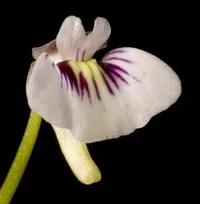
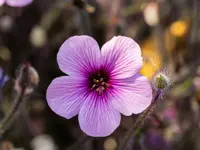
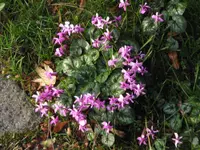
dwarf sundew Care (Drosera brevifolia)

dwarf sundew

About dwarf sundew

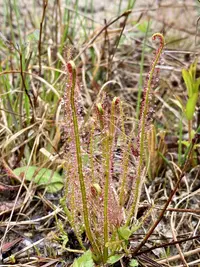
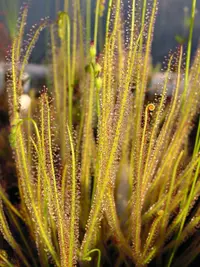
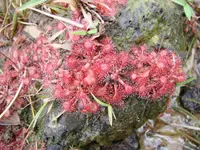
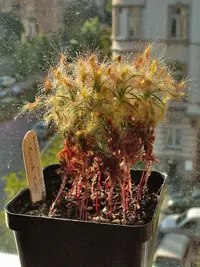
Dwarf sundew (Drosera brevifolia) is a tiny carnivorous plant that forms low, flat rosettes of red, sticky leaves close to the ground. Each leaf is covered with glistening gland-tipped hairs that trap small insects, which supplement the plant’s nutrient intake.

This species is native to parts of the southeastern United States, where it grows in open, nutrient-poor, seasonally wet habitats such as sandy bogs and wet savannas. Its small size, need for constant moisture, and sensitivity to mineral build-up make it moderately challenging to grow.

Those factors shape how to care for dwarf sundew, which generally prefers bright light, evenly damp low-mineral substrate, and good air circulation to stay compact and healthy.

Main Plant Requirements

Care Difficulty

Hard Care

Light Preference

Full Sun

Water Requirements

Keep Soil Moist

Temperature Preference

Warm Climate

Hardiness Zone

8–11

Soil Texture

Sandy, Peaty, Organic-rich

Soil pH

Strongly acidic (4.5–5.5)

Soil Drainage

Waterlogged tolerant

Fertilization

Minimal (feed rarely)

Get Personalized Care Plan

Scan your plant to receive care tips personalized for your specific plant

Available on iOS and Android

How to Care for the dwarf sundew

This species prefers strong light to maintain compact growth and sticky traps.

  • Provide 4–6 hours of direct morning sun plus bright filtered light for the rest of the day to prevent leaf scorch.
  • Tolerates light afternoon shade in very hot climates; true dwarf sundew plants grown in full, harsh afternoon sun may redden deeply and risk drying out faster.
  • In winter or cloudy periods, ensure the site stays unobstructed so the plant still receives at least 4 hours of unobstructed light daily.

This small sundew needs consistently moist, low‑mineral conditions to stay healthy.

  • Use rainwater, distilled, or reverse‑osmosis water; avoid tap water if it measures above 50–70 ppm total dissolved solids.
  • Keep the soil evenly damp, not waterlogged; the surface may lighten slightly in color but should not feel dry more than the top 0.5–1 cm.
  • Reduce water slightly in cooler seasons while preventing complete drying; pale, limp leaves suggest underwatering, while blackening bases and sour smell indicate chronic saturation.

Stable, mild warmth supports best growth and sticky secretion in this species.

  • Aim for 70–85°F (21–29°C) during active growth, with slightly cooler nights around 60–70°F (16–21°C).
  • Short exposures down to about 40°F (4°C) may be tolerated, but repeated frosts or hard freezes can damage or kill the plant.
  • In hot spells above 90°F (32°C), protect from intense mid‑afternoon sun and drying winds to reduce stress and leaf burn.

This species prefers moderately humid air but adapts if kept evenly moist at the roots.

  • Aim for 40–60% humidity; sustained levels below 30% can dry the mucilage and reduce trapping efficiency.
  • Crisping leaf edges, reduced dew, and stalled new growth indicate humidity stress rather than light shortage.
  • Use a water tray, group pots, or place on a pebble tray instead of misting to gently raise humidity around dwarf sundew.

Drosera brevifolia needs a very low-nutrient, airy, and consistently moist substrate.

  • Use a mix of 1:1 sphagnum peat moss and silica sand or perlite to create a loose, fine-textured soil that mimics its native habitat.
  • Keep drainage free but not fast-drying; the soil should stay damp, never waterlogged or completely dry through the root zone.
  • Target a slightly acidic pH around 4.5–5.5, avoiding lime, fertilizers, or compost that add minerals and raise pH.
  • Rinse sand or perlite before mixing to remove mineral residues that can accumulate and damage sensitive carnivorous roots.

This species is well suited to container growing when moisture and root depth are managed carefully.

  • Choose a relatively shallow but wide pot so the fibrous roots spread horizontally while the surface stays evenly moist.
  • Use plastic or glazed ceramic containers to slow evaporation, which helps keep the wet substrate from drying between waterings.
  • Ensure multiple small drainage holes so the pot can sit in a shallow tray of pure water without creating stagnant, anaerobic pockets.

Drosera brevifolia gains most nutrients from captured insects, so only minimal supplemental fertilization is appropriate.

  • Avoid standard houseplant fertilizers; if used at all, apply a very dilute (1⁄4–1⁄8 strength) balanced NPK fertilizer to the soil, never onto the sticky leaves.
  • Feed at most once every 4–6 weeks during the active growing season, and skip feeding entirely in winter or dormancy.
  • Use rainwater or distilled water to mix any fertilizer solution, since minerals from tap water can accumulate and damage roots.
  • For caring for dwarf sundew, rely mainly on small insects for nutrition rather than routine fertilization.

Pruning Drosera brevifolia is minimal and focuses on hygiene rather than shaping.

  • Best time for light pruning is late winter to early spring, before strong new growth starts.
  • Gently remove dead, blackened, or moldy leaves at the base to improve air flow and reduce fungal issues.
  • Use fine scissors or tweezers, cutting close to the soil surface without disturbing the tiny crown.
  • Avoid heavy cutting; pruning has little effect on plant shape or flowering and is mainly for cleanliness.

Drosera brevifolia is usually short-lived and small, so it is transplanted infrequently and only when clearly necessary.

  • Check for signs such as roots circling the pot, water not soaking evenly, or noticeably slowed growth outside normal dormancy.
  • Plan any repotting or transplanting for late winter to very early spring, before active growth, about every 2–3 years at most.
  • Prepare a low-nutrient mix, such as 1:1 sphagnum peat and perlite or silica sand, pre-soaked with distilled or rainwater.
  • Minimize root disturbance by moving the entire root ball, keeping the crown at the same depth, then shade and keep evenly moist for several days.

Drosera brevifolia is most commonly propagated from seed, with some growers also using leaf cuttings.

  • Sow fresh seeds in late winter to early spring on the surface of a wet peat and sand mix; do not cover them.
  • Provide bright light, high humidity, and stable temperatures around 65–75°F to encourage germination over several weeks.
  • Keep the medium constantly damp with distilled or rainwater, using a tray method so seeds are not disturbed from above.
  • For leaf cuttings, press healthy leaves onto the medium under high humidity until plantlets form, then separate once they develop small roots.

Drosera brevifolia is relatively cold tolerant in its native range but benefits from simple winter precautions in cultivation.

  • In USDA zones roughly 7–9, plants in the ground usually tolerate light frosts if the soil stays moist but not waterlogged.
  • Apply a thin mulch of pine needles or similar loose material around outdoor plants to buffer temperature swings at the root zone.
  • Move containers to a cold, bright, frost-free spot indoors or in an unheated garage where temperatures stay mostly above freezing.
  • Reduce watering slightly in winter while ensuring the medium never dries out completely, especially for potted plants.

Care Tips

Seasonal Dormancy Setup

Provide a cool, slightly drier winter rest by moving pots to a bright, cold frame or unheated but frost-free area at 35–50°F to prolong the plant’s life cycle and encourage stronger spring growth.

Seed Bank Management

Collect mature seed heads as they brown and dry, then sprinkle some back on the same pot and store the rest in paper envelopes in a cool, dry place so you always have seed to restart the colony if the annual rosettes die out.

Micro-Habitat Zoning

Create a shallow tray with gentle slope using sand and peat so water pools slightly at one end, then place younger plants at the wetter end and older plants toward the drier end to match their different moisture tolerances.

Targeted Pest Control

If fungus gnats or aphids appear on leaves, submerge the entire pot in clean rain or distilled water for 24 hours or use a low-dose, carnivorous-safe systemic applied to the soil only, avoiding any spray contact with the sticky foliage.

Outdoor Position Rotation

When growing dwarf sundew outside, slowly rotate pots every 5–7 days to even out light exposure and reduce the risk of one-sided, etiolated growth while keeping the rosettes compact.

Common Pests and Diseases

Fungus gnats

These insects are attracted to constantly wet carnivorous soil and their larvae feed in the upper substrate layer, sometimes irritating fine roots and seedlings. Symptoms include tiny black flies hovering near pots and slow, stressed growth in young plants.

Solution

Allow the surface of the medium to approach just-damp rather than waterlogged, use clean, low-organic media, and bottom-water instead of keeping trays deep. For active infestations, use yellow sticky traps for adults and a biological larvicide containing Bacillus thuringiensis israelensis (Bti) in the water until populations drop.

Aphids

These insects can colonize flower stalks and young leaves, sucking plant juices and sometimes deforming new growth. Symptoms include distorted leaves, sticky honeydew, and clusters of soft green or black insects on tender parts.

Solution

Rinse plants gently with a steady stream of distilled or rainwater to dislodge colonies, repeating several times over a week. If needed, apply a dilute insecticidal soap safe for carnivorous plants to affected areas only, then flush with pure water after treatment to avoid residue damage.

Spider mites

This pest appears in hot, dry conditions and feeds on leaf tissue, causing loss of dew and pale stippling on the small traps. Symptoms include fine webbing, dull or bronzed leaves, and a gradual decline in trapping ability.

Solution

Increase humidity and improve air circulation, then rinse foliage thoroughly with distilled or rainwater to remove mites and webs. For persistent problems, use a miticide known to be safe on Drosera at reduced strength and monitor closely for stress to the plant.

Botrytis blight

This disease is a gray mold that develops in stagnant, humid air, especially on old leaves or dead insect remains. Symptoms include fuzzy gray growth on leaves, flower stalks, or decaying material and rapid collapse of affected tissue.

Solution

Remove and discard all infected and dead material, and improve air movement while keeping light levels high and temperatures moderate. In severe cases, isolate the plant and apply a low-dose fungicide that is known to be safe for Drosera, avoiding repeated use unless absolutely necessary.

Leaf spot fungus

This disease causes small brown or black spots on the tiny leaves, sometimes merging into larger patches that reduce photosynthesis and dew production. Symptoms include spotting that begins on older leaves or crowded areas, especially under cool, damp conditions.

Solution

Trim and discard heavily spotted leaves, reduce overhead watering, and maintain good spacing so foliage can dry faster. If spotting continues to spread, a gentle, carnivorous-plant-safe fungicide applied sparingly can help interrupt the infection while you adjust moisture and airflow as part of overall Drosera brevifolia plant care.

Interesting Facts

Smallest North American sundew

This species is one of the tiniest sundews in North America, often forming rosettes only about the size of a fingernail, closely pressed to the soil surface in its native habitats of the southeastern United States and parts of eastern Mexico.

Seasonal color changes

In full sun and nutrient-poor, sandy soils, its leaves can turn a deep red to reddish-purple due to high levels of protective pigments, while in slightly shadier or less intense conditions the foliage stays more greenish with red tentacles.

Brief annual lifestyle

In many parts of its range it behaves as a short-lived annual, germinating, flowering, setting seed, and dying back within one growing season, then relying on a persistent soil seed bank to re-establish the population the following year.

Botan icon

Did you know?

Populations of this species are highly localized and often restricted to very specific microhabitats such as open, seasonally wet sandy patches within longleaf pine savannas, making it vulnerable to habitat loss and fire-suppression changes in those ecosystems.

FAQs about dwarf sundew

Lack of flowers usually comes from insufficient light, depleted nutrients in the peat mix, or plants that are still immature. Short winter dormancy or stress from recent repotting can also delay flowering until the next growing season.

Grow Healthy Plants with Botan Care

Keep your plants happy and healthy with plant identification, disease detection, and easy care guidance.

Botan plant care app — identify plants on mobile

Explore More Plants