Sea Primrose Care (Samolus repens)

Also known as: Creeping Brookweed, Maakoako, Shore Pimpernel
Sea Primrose

About Sea Primrose

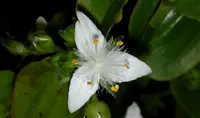
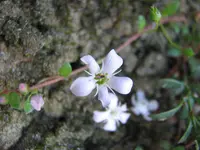
Sea primrose (Samolus repens) is a low, spreading perennial often found in salty or damp habitats such as coastal marshes and estuary margins. It forms small mats of glossy green leaves with clusters of tiny white to pale pink flowers.

This species is native to shorelines in regions including Australia, New Zealand, and parts of South America, and it is sometimes used in specialized wetland or aquarium setups. It stays compact, which can make it manageable where space is limited but it may spread steadily in suitable sites.

Understanding how to care for Sea Primrose usually starts with providing consistently moist, well-drained soil and good light, similar to its natural shoreline conditions.

Main Plant Requirements

Care Difficulty

Moderate Care

Light Preference

Partial Sun

Water Requirements

Aquatic

Temperature Preference

Warm Climate

Hardiness Zone

8–11

Soil Texture

Sandy, Loamy, Organic-rich

Soil pH

Acidic (5.5–6.5), Slightly acidic (6.5–7.0)

Soil Drainage

Waterlogged tolerant

Fertilization

Minimal (feed rarely)

Get Personalized Care Plan

Scan your plant to receive care tips personalized for your specific plant

Available on iOS and Android

How to Care for the Sea Primrose

Samolus repens prefers bright, gentle light similar to open, moist shorelines.

  • Provide 4–6 hours of morning sun or bright filtered light; protect from harsh sun between 11 a.m. and 4 p.m. to prevent leaf scorch.
  • Tolerates light to moderate shade, but very dense shade reduces flowering and causes leggy, pale growth.
  • In summer, prioritize dappled or morning sun; in cooler months, allow more direct light so Sea Primrose maintains compact, healthy foliage.

This species naturally grows in wet, often coastal habitats and prefers consistently moist conditions.

  • Keep soil evenly moist; do not allow more than the top 1–2 cm to dry out before watering again in most garden soils.
  • Use soil or a planting site that drains slowly but does not stay stagnant; leaves yellowing with soft stems indicate overwatering and poor aeration.
  • Increase watering during hot, windy weather and reduce slightly in cooler seasons, watching for wilted, dull leaves as a sign the plant needs water.

This coastal plant favors mild, cool to warm conditions without temperature extremes.

  • Ideal growth occurs around 60–75°F (16–24°C), where foliage remains dense and flowering is more reliable.
  • It tolerates short dips to about 30–32°F (-1–0°C), but repeated hard frost can damage stems and may kill exposed plants.
  • Heat up to 85–90°F (29–32°C) is usually tolerated if soil stays moist; combine shade and reliable moisture during heat waves to limit stress.

This coastal species prefers consistently moist air but tolerates a moderate humidity range.

  • Aim for 50–70% humidity to match its natural shoreline and marsh habitats when growing Sea Primrose indoors.
  • Leaves curling inward, browning tips, and stalled growth can indicate air that is too dry or drying winds.
  • Increase humidity with a nearby water tray, grouping plants together, or placing the pot above (not in) shallow water.

Samolus repens thrives in consistently moist, fine-textured substrates that do not fully dry out.

  • Use a loamy to sandy-loam mix with high organic matter to hold moisture yet allow roots to breathe.
  • Combine roughly 50% compost, 30–40% fine sand, and 10–20% perlite for a stable, moisture-retentive structure.
  • Slightly acidic to neutral pH around 6.0–7.0 supports nutrient availability and root health.
  • Avoid compacted, heavy clay or soils that stay stagnant and anaerobic, which encourage root rot and decline.

This low, spreading species is suitable for shallow containers and trays, especially in wet or bog-style setups.

  • Choose a broad, shallow pot or tray so stolons can spread horizontally rather than forcing deep root growth.
  • Select a heavier container or place it in a stable outer cachepot to prevent tipping when water levels are high.
  • Use a potting system that allows excess water to overflow or drain into a reservoir so the substrate stays saturated but not stagnant.

This coastal groundcover grows in low-nutrient sites, so Sea Primrose usually needs only light feeding in containers or poor soils.

  • Use a balanced, dilute liquid fertilizer (e.g., 10-10-10 at 1/4–1/2 strength) for potted plants in active growth.
  • Feed every 4–6 weeks during spring–summer if foliage looks pale or growth is weak.
  • Skip or greatly reduce feeding in fall–winter when growth slows.
  • In garden beds, a thin topdressing of compost in spring is usually sufficient.

Light pruning keeps Samolus repens dense, tidy, and encourages fresh growth.

  • Best time is late winter to early spring, with light touch-ups after flowering flushes.
  • Remove dead, damaged, or yellowing stems and any excessively long runners.
  • Trim back crowded areas to maintain a low, even mat and prevent smothering neighboring plants.
  • Use clean scissors or hand shears, making shallow cuts above healthy leaves.

This species is more often transplanted in the garden than repotted, as it forms low, spreading mats.

  • Transplant in spring or early fall when temperatures are mild and soil is moist.
  • Move plants when growth slows, patches thin out, or roots form dense mats at the soil surface or pot edge.
  • Lift sections with a trowel, keeping a generous soil ball around the roots to limit stress.
  • Replant at the same depth, water thoroughly, then shade lightly for a few days until growth resumes.

Samolus repens is commonly propagated to extend groundcover patches or start new plantings.

  • Divide established clumps or rooted runners in spring or early fall when soil is cool and moist.
  • Take short stem sections with roots attached, replant immediately, and keep evenly damp.
  • For seed, sow fresh seed on the surface of moist mix, providing bright light and cool to mild temperatures.
  • Maintain high humidity and avoid waterlogging to reduce rot while new roots develop.

In mild coastal climates this plant is fairly cold tolerant and usually needs little special winter care.

  • It tolerates light frosts but may suffer in prolonged freezes below about 20–25°F.
  • In colder areas, apply a thin mulch layer around the root zone to moderate soil temperature.
  • Container plants in frost-prone regions can be overwintered in a cool, bright, frost-free space.

Care Tips

Edge Containment

In garden beds or near ponds, install a shallow plastic or metal edging 5–8 cm deep to keep this creeping plant from spreading into lawn or neighboring plantings while still allowing a natural mat to form.

Salinity Management

If grown away from the coast, occasionally irrigate with a slightly saline solution (for example, 1–2 g non-iodized salt per 1 L water, no more than once every 4–6 weeks) to maintain its salt-tolerant niche without stressing less tolerant companion plants.

Erosion Control Use

On gently sloping, seasonally wet sites, plant plugs in a staggered grid 15–20 cm apart to create a dense mat that stabilizes soil and reduces surface erosion within 1–2 growing seasons.

Aquatic Transitioning

When moving plants between wet soil and shallow water situations, submerge or raise the planting depth in stages over 1–2 weeks so the root system and foliage can adapt gradually to the changed oxygen levels.

Low-Mow Integration

If integrated into a low-mow lawn or coastal meadow, set mower blades high (6–8 cm) and mow infrequently so the mat can persist while taller, competing species are suppressed, which supports long-term success when growing Sea Primrose in mixed plantings.

Common Pests and Diseases

Aphids

This pest feeds on young shoots and flower stems, sucking sap and causing distortion, sticky honeydew, and sooty mold growth on Sea Primrose mats.

Solution

Rinse colonies off with a firm stream of water and remove heavily infested stems; in persistent cases use insecticidal soap or a light horticultural oil, applied in the early morning so foliage dries quickly in the coastal or wetland conditions typical for growing Sea Primrose.

Spider mites

These insects thrive on stressed or heat-exposed plants, causing fine stippling on leaves, webbing between stems, and gradual yellowing or bronzing of the foliage.

Solution

Increase humidity around plants, hose down foliage regularly to dislodge mites, and treat undersides of leaves with insecticidal soap or a registered miticide, repeating treatments as needed until new growth appears clean.

Leaf spot

This disease produces small brown to black spots on leaves that can merge into larger patches, leading to premature yellowing and thinning of the groundcover mat.

Solution

Remove and discard affected leaves, avoid overhead watering where possible, and improve air movement across the planting; in severe, persistent cases a targeted fungicide labeled for foliar leaf spots on ornamentals can be used according to label directions.

Powdery mildew

This disease shows as white, powdery patches on leaves and stems, which may cause leaf curling, reduced vigor, and a less dense carpet in crowded plantings.

Solution

Thin overly dense patches to improve airflow, avoid prolonged leaf wetness, and treat affected areas with a sulfur-based or potassium bicarbonate fungicide, ensuring full coverage of both leaf surfaces.

Slugs and snails

These pests are attracted to the moist, low-growing foliage, creating irregular holes and shredded edges on leaves, especially in shaded, damp sites.

Solution

Hand-pick at night or early morning, use barriers such as copper tape or rough diatomaceous earth around key patches, and place iron phosphate slug baits away from children and pets to reduce populations in wet planting areas.

Interesting Facts

Salt-tolerant shoreline dweller

This coastal plant naturally colonizes salt marshes, estuary margins, and upper tidal zones, showing strong tolerance to saline soils and occasional seawater inundation.

Creeping mat growth

It spreads by slender creeping stems that root at the nodes, forming low, dense mats that help stabilize soft, muddy or sandy substrates against erosion.

Tiny flowers, big output

Despite its small, white, star-like flowers, it can bloom over extended periods in suitable conditions, providing a steady source of pollen and nectar for small insects in coastal ecosystems.

Botan icon

Did you know?

Samolus repens occurs naturally in both the Southern Hemisphere (including Australia and New Zealand) and parts of the Northern Hemisphere, making it one of relatively few coastal herb species with a broad, amphitropical distribution linked to long-distance dispersal along shorelines.

FAQs about Sea Primrose

This coastal groundcover spreads by creeping stems and self-seeding, forming low mats over time. In mild, moist sites it can fill gaps steadily but is usually manageable with edging, occasional thinning, and removal of unwanted seedlings.

Grow Healthy Plants with Botan Care

Keep your plants happy and healthy with plant identification, disease detection, and easy care guidance.

Botan plant care app — identify plants on mobile

Explore More Plants