Water Mimosa Care (Neptunia oleracea)

Also known as: Sensitive Neptunia
Water Mimosa

About Water Mimosa

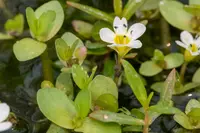
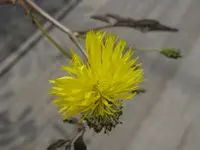
Water mimosa, Neptunia oleracea, is a floating or semi-aquatic legume often grown in ponds, tubs, or slow-moving water. It forms dense mats of buoyant, spongy stems. The plant has fine, sensitive leaflets that fold when touched, giving it a delicate, fern-like look, and it can produce small yellow puffball flowers. In nature, it occurs in tropical and subtropical Asia and has spread to other warm regions, sometimes behaving invasively. It grows fast in warm, nutrient-rich, still or gently moving water, which makes it easy to grow but also prone to spreading. Understanding how to care for Water Mimosa starts with providing warmth, full sun to bright light, and consistently wet conditions.

Main Plant Requirements

Care Difficulty

Moderate Care

Light Preference

Full Sun

Water Requirements

Aquatic

Temperature Preference

Tropical / Frost Sensitive

Hardiness Zone

10–12

Soil Texture

Silty, Organic-rich

Soil pH

Acidic (5.5–6.5), Slightly acidic (6.5–7.0)

Soil Drainage

Waterlogged tolerant

Fertilization

Light (every 4–6 weeks)

Get Personalized Care Plan

Scan your plant to receive care tips personalized for your specific plant

Available on iOS and Android

How to Care for the Water Mimosa

This floating aquatic prefers strong light but suffers in intense, drying exposure.

  • Provide 6–8 hours of direct sun, ideally as morning to early afternoon light, for compact, vigorous Water Mimosa growth.
  • Allow light afternoon shade in hot climates to prevent leaf scorch and excessive water heating, especially in shallow ponds or tubs.
  • In cooler seasons, choose the brightest, least-shaded spot available; weak, elongated stems and sparse foliage indicate insufficient light.

This species is adapted to waterlogged conditions and needs constant moisture to thrive.

  • Grow in shallow standing water or saturated soil; the surface should never dry out, as Neptunia oleracea declines quickly when roots are exposed.
  • Use slow-moving or still water 10–30 cm deep with organic-rich mud; avoid fast-draining substrates that cannot hold continuous moisture.
  • Watch for yellowing, mushy stems as a sign of stagnant, foul water or anaerobic rot, and crisp, collapsing foliage as a sign the water level has dropped too low.

This tropical aquatic performs best in sustained warmth and fails quickly in cold conditions.

  • Aim for 75–90°F (24–32°C) water and air temperatures for fastest growth; cooler conditions slow spread and leaf production.
  • Protect from cold snaps below 60°F (16°C), and remove the plant or provide heating before temperatures near 50°F (10°C), where damage becomes likely.
  • Treat it as frost-intolerant; even light frost kills foliage, while extreme heat above 95°F (35°C) is tolerated if water depth is adequate and not overheating.

This semi-aquatic species needs constantly moist conditions with very high humidity to thrive.

  • Aim for 70–90% humidity, using trays or shallow basins of water around the plant to keep air and surfaces damp.
  • Tolerates brief dips to 50–60% humidity, but prolonged dry air causes leaf folding, crisping edges, and slowed growth.
  • If Water Mimosa shows curled, dull foliage, increase humidity by clustering plants, using humidifiers, or partially covering the growing area to trap moisture.

This plant prefers saturated, organic-rich substrates that mimic shallow, slow-moving water margins.

  • Use a heavy mix of 60–70% clay or loam with 30–40% decomposed compost to create a dense, nutrient-rich base that stays wet.
  • Allow the container or bed to remain waterlogged or very poorly drained, as Neptunia oleracea is adapted to anaerobic, submerged roots.
  • Keep pH slightly acidic to neutral, around 6.0–7.0, which supports nutrient availability and healthy growth in standing water.
  • Avoid sandy, fast-draining, or peat-only mixes, which dry too quickly and reduce buoyancy of the floating stem sections.

This species can be grown in containers if they are set up to mimic shallow, still water.

  • Choose a wide, low tub or pond container so spreading stems can float or sprawl without tipping the vessel.
  • Use a weighty, non-porous container material like glazed ceramic or thick plastic to keep the pot stable under constant waterlogging.
  • Fill the pot only two-thirds with substrate and then flood above the surface so water can cover stem bases while leaving foliage in air.

Neptunia oleracea benefits from light, consistent nutrition during its warm growing season, especially in containers.

  • Use a balanced, water-soluble fertilizer (around 10-10-10 or 20-20-20) diluted to 25–50% strength for caring for Water Mimosa in tubs or ponds.
  • Feed every 3–4 weeks in spring and summer when growth is active, skipping any application if water is very nutrient rich.
  • Apply a small amount of slow-release aquatic or general fertilizer away from the stem base to limit burn risk.
  • Stop feeding in fall and winter or whenever growth slows, as excess nutrients can cause weak, leggy stems and algae issues.

Pruning Neptunia oleracea helps maintain a compact mat of foliage and encourages fresh, vigorous stems.

  • Carry out light trimming through the warm growing season, avoiding large cuts during cool or dormant periods.
  • Remove dead, yellowing, or damaged stems first, then thin out crowded or excessively long runners.
  • Use clean, sharp scissors or snips and cut just above a node where new shoots can emerge.
  • Regular light shaping improves air flow, limits tangling, and promotes denser foliage and better flowering.

This floating or marginal aquatic is often grown in ponds or tubs, where transplanting focuses on managing spread rather than frequent repotting.

  • Transplant or thin clumps in late spring to early summer when water is warm and Neptunia oleracea resumes active growth.
  • Consider moving or dividing plants when mats become too dense, growth slows, or stems shade each other heavily.
  • If container grown, shift to a slightly larger aquatic basket when roots fill the substrate or stems are crowded at the edges.
  • Handle roots and stems gently, keep them constantly moist, and replant at the same water depth to reduce stress and setback.

Neptunia oleracea is commonly propagated to renew planting mats or expand coverage in ponds and tubs.

  • Stem cuttings taken in late spring or summer root well when floated or anchored in warm, shallow water (around 72–82°F).
  • Include at least 2–3 nodes on each cutting and submerge the lower nodes so new roots can form easily.
  • Seeds can also be used; sow in warm, shallow water with gentle aeration and bright light for reliable germination.
  • Thin crowded young plants early so remaining stems have good light and space, encouraging strong, spreading growth.

This tropical aquatic is frost sensitive and needs protection in regions with cool or freezing winters.

  • Neptunia oleracea is damaged near 50°F and usually dies back in frost, so treat it as an annual in cold climates or overwinter indoors.
  • In mild climates, allow plants to retreat to deeper, slightly warmer water and remove dead foliage to keep water clean.
  • For containers, move a portion of the plant indoors to a heated greenhouse or bright, warm tank before night temperatures drop.
  • If outdoor plants are lost to cold, plan to reintroduce stock from overwintered material or new plants in late spring.

Care Tips

Floating support setup

Use a stable floating ring made from PVC or foam to keep stems at the water surface, which encourages dense mat formation and reduces the risk of stems sinking and rotting.

Root zone management

Periodically lift a small section of the mat and trim off dark, decaying underwater roots to keep the submerged portion aerated and reduce anaerobic rot and bad odor.

Nutrient monitoring routine

In container ponds or tubs, test water for nitrate and phosphate every 2–4 weeks and perform partial water changes or adjust fertilizer strength if growth becomes limp, yellow, or excessively lush with algae.

Cold-season handling

In cooler regions, keep a small colony in a heated indoor aquarium or tub as a mother stock plant through winter, then use cuttings from this stock to restart outdoor culture in spring for reliable results when growing Water Mimosa.

Harvest and regrowth

When harvesting edible shoots, cut only the top 10–15 cm of healthy, pale green stems and leave lower nodes untouched so the plant can branch again and maintain a productive mat.

Common Pests and Diseases

Leaf webworm

This pest feeds on foliage of aquatic legumes and often rolls or webs leaflets together while chewing the green tissue. Symptoms include skeletonized pinnae, folded or webbed leaf segments, and frass inside the rolled leaves.

Solution

Handpick and destroy rolled leaves containing larvae, and prune heavily infested stems. Encourage fish and aquatic predators, and if needed use a targeted biological product with Bacillus thuringiensis (Bt) applied in the evening to the foliage above the water, avoiding overspray into natural waterways where possible.

Aphids

These insects cluster on young shoots and undersides of floating stems, sucking sap and causing distortion and sticky honeydew on foliage. Symptoms include curled new growth, slowed spread of the floating mat, and sooty mold growing on the honeydew in still water conditions.

Solution

Rinse colonies off tender growth with a strong, directed stream of clean water and remove heavily infested shoots. In contained ponds or tubs, introduce biological control such as lady beetles or lacewing larvae and, if needed, use a low-toxicity insecticidal soap sprayed in the early morning on exposed foliage while keeping it out of fish-bearing water as much as possible.

Leaf spot

This disease produces small water-soaked or brown lesions on the leaflets that can enlarge and merge under warm, humid conditions. Symptoms include scattered spots, premature yellowing, and thinning of the floating canopy, especially where water is stagnant and leaves stay wet for long periods.

Solution

Remove and discard affected leaves and thin dense mats so more light and air can reach the foliage. Avoid overhead splashing from fountains, maintain moderate water movement, and in persistent cases use a copper-based pond-safe fungicide according to label directions for Neptunia oleracea care in aquatic systems.

Aquatic snails

These animals rasp soft leaf tissue and young stems, leaving irregular holes and a shredded appearance, particularly along the edges of floating branches. Symptoms include notched or missing leaflet tips and visible snails or egg clusters on stems and nearby hard surfaces.

Solution

Manually remove snails and egg masses from the plant and pond walls on a regular schedule. To reduce damage, limit excess nutrients that favor snail population booms, use snail traps or floating lettuce bait for manual collection, and if appropriate introduce natural predators such as certain fish species compatible with the pond.

Interesting Facts

Floating stem sponges

This species develops thick, white, spongy tissue around its stems that traps air and increases buoyancy, allowing long runners to float on water surfaces. The porous tissue also helps the plant stay stable in moving or shallow water.

Nitrogen-fixing partnership

The roots form nodules that host nitrogen-fixing bacteria, which convert atmospheric nitrogen into plant-available forms. This adaptation lets the plant thrive in nutrient-poor or stagnant waters where other species struggle.

Edible aquatic vegetable

In parts of Southeast Asia, the young shoots and floating stems are eaten as a vegetable, especially in Thailand, Laos, and Vietnam. It is typically cooked briefly to keep the crisp texture while reducing any potential surface contaminants from the water.

Botan icon

Did you know?

In some traditional rice-farming systems in Southeast Asia, this species is deliberately allowed or encouraged to grow in flooded paddies, where it helps shade the water surface, reduces algal growth, and contributes nitrogen to the system through its root nodules, functioning as a living green manure in aquatic agriculture.

FAQs about Water Mimosa

This species spreads quickly over warm, still water using floating stolons. In outdoor ponds or ditches it can form dense mats, shade out other plants, and block water flow, so regular thinning and physical removal are important.

Grow Healthy Plants with Botan Care

Keep your plants happy and healthy with plant identification, disease detection, and easy care guidance.

Botan plant care app — identify plants on mobile

Explore More Plants