


Contain Rhizome Spread
Plant into a large, bottomless container sunk into wet soil to limit underground rhizome spread while still allowing access to groundwater and natural flooding.

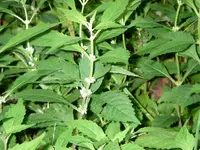
American water horehound, Lycopus americanus, is a moisture-loving perennial herb in the mint family. It typically grows in clumps with upright, square stems and narrow, toothed leaves.
This species is native to North America and is usually found along stream banks, pond edges, and wet meadows. Small white flowers appear in tight clusters around the stems.
Its preference for consistently damp soils and natural spread by rhizomes makes it easy to establish in suitable wet areas but less suited to dry gardens. Understanding how to care for American water horehound starts with providing steady moisture, cool roots, and low to moderate light.
In garden settings, it works well in rain gardens, naturalized wetlands, and the margins of water features where soil stays moist and nutrient levels are moderate.

Care Difficulty
Easy Care

Light Preference
Full Sun

Water Requirements
Aquatic

Temperature Preference
Cold Hardy

Hardiness Zone
3–9

Soil Texture
Loamy, Silty, Organic-rich

Soil pH
Acidic (5.5–6.5), Slightly acidic (6.5–7.0)

Soil Drainage
Waterlogged tolerant

Fertilization
Minimal (feed rarely)
Scan your plant to receive care tips personalized for your specific plant
Available on iOS and Android
This wetland perennial prefers consistent moisture and moderate light rather than intense sun.
This species is adapted to marshy, saturated conditions and does best when soil moisture never fully dries.
This hardy North American perennial tolerates a wide temperature range in outdoor wetland settings.
This wetland species prefers consistently moist air but usually tolerates typical outdoor humidity.
Soil for Lycopus americanus should stay constantly moist and structurally stable without becoming stagnant.
This species can grow in containers if the setup mimics a shallow, constantly wet margin habitat.
This native wetland perennial usually needs little feeding in rich, moist soil.
Lycopus americanus benefits from light, targeted pruning to manage spread and maintain vigor.
This species is most often transplanted in wet garden or shoreline settings rather than kept in long-term containers.
This wetland mint relative is commonly propagated to expand patches or restore damp habitats.
This cold-hardy perennial generally needs minimal winter care in most temperate climates, as its tops die back and roots persist below ground.

Plant Health Check
Not sure what's wrong with your plant? Check your plant's health inside the app.
This species commonly colonizes the edges of ponds, ditches, and slow streams, and tolerates repeated flooding and water-level fluctuations better than many other mint family members.
American water horehound often spreads through creeping rhizomes, forming dense colonies that stabilize soft, silty shorelines and help reduce erosion in wet habitats.
The small white, lobed flowers produce modest amounts of nectar that are visited by various small bees and flies, particularly during calm evening periods in midsummer.

American water horehound is considered a conservative wetland indicator species in parts of the Great Lakes and Upper Midwest regions, meaning its presence is often used by ecologists to help confirm relatively undisturbed, high-quality wetland habitat.
This species spreads steadily by creeping rhizomes and self-seeding, especially in consistently moist soil. It can form dense patches along shorelines or in rain gardens, so use edging or periodic thinning where space is limited.
Keep your plants happy and healthy with plant identification, disease detection, and easy care guidance.

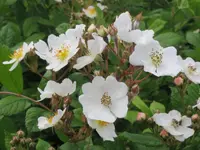
multiflora rose
Rosa multiflora

threeleaf derris
Derris trifoliata
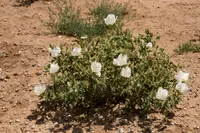
hedgehog pricklypoppy
Argemone squarrosa
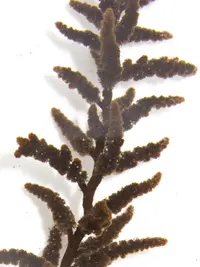
beauty bush alga
Callithamnion pikeanum
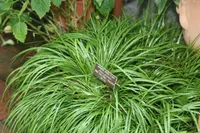
Japanese sweet flag
Acorus gramineus

Various-leaved Water-starwort
Callitriche platycarpa

whitest evening primrose
Oenothera albicaulis

whitemouth dayflower
Commelina erecta