hedgehog pricklypoppy Care (Argemone squarrosa)

hedgehog pricklypoppy

About hedgehog pricklypoppy

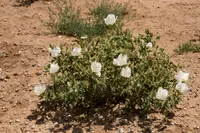
Hedgehog pricklypoppy (Argemone squarrosa) is a spiny, drought-tolerant wildflower native to dry grasslands and plains of the central United States. It forms low, prickly clumps with deeply lobed, bluish-green leaves.

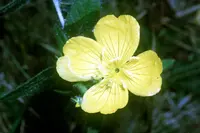
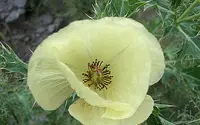
Stout, bristly stems carry showy, pale flowers followed by spiny seed pods, giving the plant its hedgehog-like look. It behaves as an annual or short-lived perennial, self-seeding readily where conditions suit it.

This species favors full sun, lean or rocky soils, and low to moderate moisture, so it suits low-maintenance, xeric-style plantings. Its tough, spined foliage and adaptation to poor soils make it easy to care for hedgehog pricklypoppy in suitable dry climates.

Main Plant Requirements

Care Difficulty

Easy Care

Light Preference

Full Sun

Water Requirements

Low Water

Temperature Preference

Warm Climate

Hardiness Zone

7–10

Soil Texture

Sandy, Loamy, Rocky

Soil pH

Slightly acidic (6.5–7.0), Slightly alkaline (7.0–7.5)

Soil Drainage

Well-drained

Fertilization

Minimal (feed rarely)

Get Personalized Care Plan

Scan your plant to receive care tips personalized for your specific plant

Available on iOS and Android

How to Care for the hedgehog pricklypoppy

Argemone squarrosa thrives in strong, direct sun typical of arid and semi-arid habitats.

  • Provide 6–10 hours of direct sun daily; full, unfiltered exposure suits hedgehog pricklypoppy best in open, dry sites.
  • Plant in a spot with early morning to mid-afternoon sun; light afternoon shade in very hot regions reduces leaf scorch and moisture stress.
  • Avoid deep or prolonged shade; fewer than 4–5 hours of sun leads to weak, leggy growth and reduced flowering, especially in cooler seasons.

This species is highly drought-tolerant and prefers dry, fast-draining conditions once established.

  • Allow soil to dry thoroughly between waterings; in the ground, only water when the top 5–8 cm are completely dry after extended drought.
  • Use sharply draining, sandy or gravelly soil so water does not pool around the roots, which increases risk of rot and yellowing foliage.
  • During the first growing season, water deeply but infrequently, then reduce further; wilting that recovers at night signals mild drought, while persistent wilt with soft stems suggests overwatering.

This desert-adapted plant prefers warm to hot conditions and tolerates significant heat once established.

  • Optimal growth occurs around 70–90°F (21–32°C), with flowering strongest in consistently warm, bright weather.
  • Plants tolerate short dips to about 25°F (−4°C), but repeated hard frosts or prolonged freeze periods can damage foliage and young growth.
  • Established plants endure heat spikes above 100°F (38°C) if soil is dry and well drained; avoid cool, wet conditions that combine low temperatures with saturated soil.

Humidity is not critical for Argemone squarrosa, which prefers dry air and arid conditions.

Argemone squarrosa thrives in lean, mineral, sharply drained soil that mimics its native dry habitats.

  • Use a sandy or gravelly mix, such as 60–70% coarse sand or grit blended with 30–40% low-organic topsoil.
  • Keep drainage very rapid; avoid mixes that hold water, such as peat-heavy potting soil or clay-rich garden soil.
  • Aim for slightly alkaline to neutral pH around 7.0–8.0, adding crushed limestone or fine gravel if soil is acidic.
  • Improve aeration by mixing in pumice or small gravel, creating many air spaces that prevent root suffocation.

This species can be grown in containers if the pot is set up to stay dry around the roots.

  • Choose a deep, heavy container that resists tipping, since mature stems can become tall and unevenly weighted.
  • Fill the pot with a gritty mineral mix and raise it on pot feet so drainage holes never sit in collected water.
  • Place containers in a very sunny, exposed spot, as shade or sheltered corners tend to hold more moisture around the root zone.

This drought-adapted species usually needs little feeding, especially in lean native soils.

  • If grown in poor potting mix or heavily used beds, apply a light dose of balanced NPK fertilizer (such as 5-5-5) once in mid-spring.
  • Use a diluted liquid feed at 1/2 strength or a low-rate slow-release product to avoid overly lush, weak growth.
  • Do not fertilize during winter dormancy; allow the plant to rest on its natural nutrient reserves.
  • When caring for hedgehog pricklypoppy, prioritize sharp drainage and sun over frequent nutrition inputs.

Pruning needs for Argemone squarrosa are minimal and focus on safety and tidiness.

  • In late winter or early spring, remove dead, damaged, or crossing stems using clean, sharp pruners.
  • Clip back spent flowering stems to reduce unwanted self-seeding and keep the plant compact.
  • Avoid heavy cutting into older woody tissue; thin lightly instead to preserve the plant’s natural form.
  • Wear sturdy gloves and long sleeves, as spines and sap can irritate skin.

This species is usually grown in the ground, where it dislikes frequent disturbance due to its taproot.

  • Transplant only when necessary, ideally when plants are small and soil is warm in late spring.
  • Look for signs like poor vigor in compacted ground rather than classic container root binding.
  • Dig a wide, deep hole, keeping the taproot as intact as possible and backfill with very free-draining soil.
  • Water once to settle soil, then allow the root zone to dry between light waterings to limit transplant shock.

New Argemone squarrosa plants are most reliably raised from seed rather than vegetative methods.

  • Sow fresh seeds in late winter to spring, either in situ or in deep cells to accommodate the taproot.
  • Provide full sun, warmth (65–75°F), and sharply drained sandy or gritty soil for best germination.
  • Lightly cover seeds and keep just barely moist; avoid waterlogging, which triggers damping-off disease.
  • If transplanting seedlings, shift them while very small to reduce taproot damage and setback.

This desert-adapted perennial is generally cold hardy in mild climates and needs little structured winter care.

  • In regions with occasional light frost, the plant typically tolerates brief cold without damage.
  • In colder zones, apply a thin, gritty mulch to keep the crown slightly drier and prevent freeze-thaw heaving.
  • Container specimens in marginal climates can be moved to a cold, bright, frost-free spot for winter.

Care Tips

Glove-safe handling

Always use thick gloves and long sleeves when transplanting or deadheading, since the spines can easily pierce thin fabric and skin and make routine caring for hedgehog pricklypoppy unpleasant or unsafe.

Targeted weed control

Suppress competing weeds with a 5–7 cm gravel or coarse sand mulch around, but not touching, the crown so the soil stays open and fast-draining while nearby annual weeds are easier to pull.

Seed pod management

If self-seeding must be limited, cut and bag developing seed pods before they dry and split, leaving some only where volunteer seedlings are welcome for naturalized stands.

Lean soil maintenance

If the site soil is naturally rich, periodically top-dress with sharp sand or crushed granite instead of compost to maintain low fertility and reduce the risk of weak, floppy growth.

Drought hardening strategy

In the first growing season, extend the interval between deep waterings gradually to train roots to grow deeper, which improves long-term drought resilience in exposed, low-rainfall sites.

Common Pests and Diseases

Leaf-mining fly

This pest tunnels inside leaves, creating pale, winding trails that reduce photosynthesis but rarely kill the plant outright.

Solution

Remove and destroy affected leaves to break the life cycle, and encourage predators such as parasitic wasps by avoiding broad-spectrum insecticides; in severe cases, apply a targeted spinosad-based spray to young larvae, following local label restrictions for wild or xeric plantings.

Aphids

These insects cluster on young stems and flower buds, sucking sap and excreting sticky honeydew that can attract sooty mold on nearby vegetation.

Solution

Dislodge colonies with a firm stream of water and, if needed, use an insecticidal soap or neem oil spray directed at undersides of leaves and tender growth, repeating every 5–7 days until populations drop; conserve lady beetles and lacewings by avoiding persistent systemic insecticides.

Rust

This disease causes orange to brown powdery pustules on leaves, sometimes with yellowing tissue around the spots and early leaf drop in humid periods.

Solution

Remove and dispose of infected leaves, avoid overhead watering, and improve spacing and airflow around plants; if rust recurs, apply a sulfur or copper-based fungicide at the first sign of symptoms, respecting label guidance for native or naturalized populations.

Powdery mildew

This disease forms white, dusty fungal growth on leaf surfaces, especially in warm, dry conditions with poor air movement, leading to distorted or prematurely shed foliage.

Solution

Increase sun and airflow, avoid excess nitrogen fertilization, and prune crowded stems; treat early infections with potassium bicarbonate, horticultural oil, or neem products, coating both upper and lower leaf surfaces while avoiding applications during high heat above about 85°F.

Seedling damping-off

This disease affects seedlings in trays or crowded beds, where symptoms include stem thinning at soil level, sudden collapse, and death shortly after germination.

Solution

Use a sterile, well-drained seed-starting mix, avoid overwatering, and provide strong light and airflow; discard badly affected batches and, for future sowings, pre-moisten but do not saturate the substrate and consider a light surface dusting of vermiculite or a biological fungicide labeled for damping-off prevention to improve Argemone squarrosa plant care during early stages.

Interesting Facts

Southwest gypsum specialist

This species is largely restricted to gypsum-rich soils in arid parts of Texas and northern Mexico, an unusual level of specialization even within the pricklypoppy group.

Deeply dissected leaves

Its bluish-green leaves are sharply divided into narrow lobes with stiff spines, which reduce leaf surface area and help limit water loss in hot, dry habitats.

Bee-attracting pale flowers

The cream to very pale yellow flowers provide abundant pollen for native bees, making this plant an important pollen source during its desert flowering period.

Botan icon

Did you know?

This species is considered endemic to a relatively narrow region of the Chihuahuan Desert, so its distribution is much more limited than that of many related pricklypoppies that occur widely across North America.

FAQs about hedgehog pricklypoppy

All parts of this species contain toxic alkaloids. Ingestion can cause nausea, vomiting, diarrhea, and more serious symptoms in pets and humans. The milky sap may also irritate skin and eyes. Keep away from children and animals.

Grow Healthy Plants with Botan Care

Keep your plants happy and healthy with plant identification, disease detection, and easy care guidance.

Botan plant care app — identify plants on mobile

Explore More Plants