Encourage Deep Roots
When establishing young plants, give one thorough soak, then let the top 5–7 cm of soil dry before the next watering to train a deeper, more drought-resilient root system suited to sandy sites.

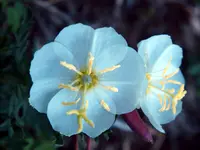
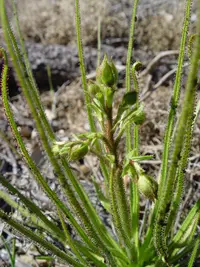
Whitest evening primrose, Oenothera albicaulis, is a low-growing, short-lived perennial or annual wildflower native to dry prairies and open plains of North America. It often forms a basal rosette with slender stems that carry delicate white, four-petaled flowers opening mainly in the evening.
This species is adapted to sandy or well-drained soils and tolerates drought once established. It prefers full sun and does best in relatively open, low-competition sites.
Gardeners who want to learn how to care for whitest evening primrose should see it as a resilient choice for xeric or naturalistic plantings, provided soil does not stay wet for long periods.

Care Difficulty
Easy Care

Light Preference
Full Sun

Water Requirements
Low Water

Temperature Preference
Cold Hardy

Hardiness Zone
3–8

Soil Texture
Sandy, Loamy, Rocky

Soil pH
Slightly acidic (6.5–7.0), Neutral (7.0)

Soil Drainage
Well-drained

Fertilization
Minimal (feed rarely)
Scan your plant to receive care tips personalized for your specific plant
Available on iOS and Android
This species thrives in bright, open sites with strong direct sun in most climates.
This plant prefers dry to moderately dry conditions and is sensitive to excess moisture around the roots.
This species is adapted to continental climates with cold winters and hot, dry summers.
This species tolerates a wide humidity range and rarely needs special humidity management indoors or outdoors.
This species prefers very well-drained, sandy to sandy-loam mineral soil that stays on the dry side.
This species can grow in containers if the potting setup mimics its dry, sharply drained native conditions.
This drought-adapted wildflower needs little feeding, but light nutrition can support blooming in poor soils when caring for whitest evening primrose.
Pruning Oenothera albicaulis is simple and mainly supports tidy growth and flowering.
This species is usually grown in the ground; transplanting young plants carefully matters more than frequent repotting.
Oenothera albicaulis is most often propagated from seed, which suits its natural life cycle.
This species is fairly cold hardy in most temperate climates and usually needs minimal winter attention.

Plant Health Check
Not sure what's wrong with your plant? Check your plant's health inside the app.
This species is naturally adapted to loose, shifting sands of the Great Plains and western North America, often growing on dunes and sandy washes where few other forbs can establish.
Its white flowers usually open in the evening and fade by the following morning, a schedule that matches the activity of many nocturnal moth pollinators.
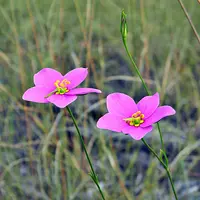
The petals are initially bright white but often turn pinkish as they age, which helps signal to pollinators which flowers are fresh and most rewarding.

This annual evening primrose often forms a low, spreading rosette with prostrate stems that can stabilize loose sandy soil, making it an early colonizer of disturbed or eroding sites in parts of its native range.
The flowers open near dusk and release a light fragrance that attracts nocturnal pollinators, especially moths. Bees may visit in the early morning before petals wilt. It is valuable in low-water, wildlife-friendly gardens for nighttime pollination support.
Keep your plants happy and healthy with plant identification, disease detection, and easy care guidance.