Various-leaved Water-starwort Care (Callitriche platycarpa)

Various-leaved Water-starwort

About Various-leaved Water-starwort

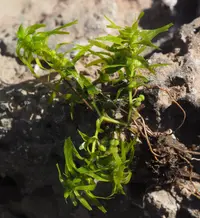
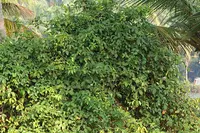
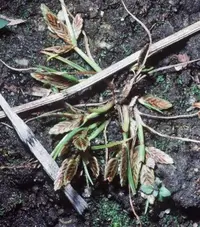
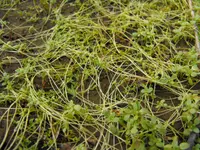
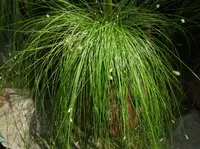
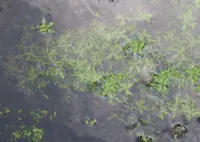
Various-leaved water-starwort (Callitriche platycarpa) is an aquatic plant typically found in slow-moving rivers, streams, and canals. It forms dense submerged mats with fine, thread-like stems and small, narrow leaves. Leaf shape can vary along the stem, which helps with identification and reflects its adaptation to different water depths and flow. It often roots in soft, silty or sandy substrates and tolerates moderate water movement. This species suits naturalistic ponds and cold-water aquariums, where stable, clean water is the main requirement. Once established, it can spread steadily, so those who want to care for Various-leaved Water-starwort should plan space for its creeping growth.

Main Plant Requirements

Care Difficulty

Moderate Care

Light Preference

Partial Sun

Water Requirements

Aquatic

Temperature Preference

Cool Climate

Hardiness Zone

5–9

Soil Texture

Loamy, Silty, Organic-rich

Soil pH

Acidic (5.5–6.5), Slightly acidic (6.5–7.0)

Soil Drainage

Waterlogged tolerant

Fertilization

Minimal (feed rarely)

Get Personalized Care Plan

Scan your plant to receive care tips personalized for your specific plant

Available on iOS and Android

How to Care for the Various-leaved Water-starwort

This aquatic plant prefers bright, open conditions with gentle, non-scorching light.

  • Provide 4–8 hours of direct to lightly filtered sun, with morning sun and light midday shade ideal in shallow water or along pond margins.
  • Tolerates partial shade, but dense shade reduces growth and can lead to weak, elongated shoots in Various-leaved Water-starwort.
  • In hot summers, protect from intense afternoon sun to limit overheating and algal growth; in winter, ensure at least bright open sky exposure for stable photosynthesis.

This is a true aquatic species that depends on consistently submerged conditions rather than traditional soil watering.

  • Maintain water levels so foliage bases remain submerged; avoid exposed mud or drying edges, which cause wilting and browning tips.
  • Use slow-moving or still, clean water over mineral or sandy substrates; avoid heavy organic muck that turns anaerobic and produces foul odors.
  • Watch for pale, stunted shoots as a sign of poor water quality or insufficient depth, and for decaying, slimy stems as a sign of stagnant, oxygen-poor conditions affecting Callitriche platycarpa.

This aquatic plant prefers cool to mild water and air temperatures for steady growth.

  • Optimal growth occurs around 59–72°F (15–22°C), typical of cool ponds, streams, and temperate outdoor water gardens.
  • Tolerates down to about 32°F (0°C) in unfrozen water, but is sensitive to prolonged ice cover that crushes or shades submerged foliage.
  • In warm periods up to about 82°F (28°C), increase water depth and circulation to prevent overheating and oxygen drop, which can stress plants and invite algae.

This aquatic species handles a wide humidity range but benefits from consistently moist air above the waterline.

  • Aim for ambient humidity around 50–70% when foliage grows emergent, with leaves kept just above saturated water or wet substrate.
  • Tolerates short spells of drier indoor air, but tips may brown and growth may slow if humidity stays low.
  • Increase humidity by using open trays or shallow dishes of water near emergent shoots of Various-leaved Water-starwort rather than fine misting.

This species prefers submerged or waterlogged, fine-textured substrate rather than conventional potting soil.

  • Use a base layer of fine sand or sandy loam with added organic matter, such as leaf mold or peat, to anchor roots under water.
  • Keep substrate saturated or fully submerged; allow only very slow water movement so particles do not wash away.
  • Target slightly acidic to neutral conditions, roughly pH 6.0–7.2, which support nutrient availability and stable growth in Callitriche platycarpa.
  • Avoid coarse gravel-only beds, highly compacted clay, or strongly alkaline substrates, which reduce rooting and overall vigor.

This species is suitable for container growing in ponds, tubs, or aquaria when water depth and substrate are controlled.

  • Choose wide, shallow baskets or trays so stems can spread horizontally without shading themselves out.
  • Use a heavier mineral substrate so the container remains stable and does not float or tip if water is disturbed.
  • Place containers where surface water is calm, since strong currents can uproot the fine stems and displace substrate.

This aquatic native Various-leaved Water-starwort usually needs little fertilizer when grown in natural or well-stocked ponds.

  • In containers or low-nutrient setups, use a balanced aquatic fertilizer (for example 10-10-10) at very low dose.
  • Feed lightly every 4–6 weeks during active growth in spring–summer, monitoring algae levels.
  • Dilute liquid fertilizer to 1/4–1/2 strength and apply to the water column, not directly on foliage.
  • Stop feeding in fall–winter when growth slows, as excess nutrients encourage algae, not plant health.

Pruning Callitriche platycarpa is mainly used to manage spread, maintain light penetration, and remove weak growth.

  • Trim back long, trailing stems during spring–summer using clean scissors above healthy leaf nodes.
  • Remove yellowing, decaying, or shaded lower stems to maintain water quality and plant vigor.
  • Thin crowded patches to keep an open structure, improving water flow and light for submerged parts.
  • Discard trimmings away from natural waterways to avoid unwanted establishment downstream.

This species is commonly established directly in ponds or streams, so care focuses on thoughtful transplanting rather than frequent repotting.

  • Transplant in spring when water temperatures rise and plants start active growth.
  • Move clumps when growth slows, plants lift from the substrate, or stems crowd and shade each other.
  • Gently lift small mats with attached substrate, keeping roots intact and moist during transfer.
  • Replant into fine gravel, sand, or aquatic soil, firming lightly and reducing water disturbance to limit shock.

Multiplying this aquatic plant is straightforward and usually done by division of stem mats rather than by seed.

  • Divide healthy, dense mats in spring–summer, when Callitriche platycarpa is growing strongly.
  • Cut sections with several rooted nodes, using clean scissors to limit tissue damage and disease entry.
  • Place divisions onto shallow, calm substrate and anchor lightly with small stones or fine gravel.
  • Maintain steady water depth, gentle flow, and good light until new roots secure each section.

In much of its range this aquatic plant is cold hardy and needs minimal winter care once established in ponds or slow streams.

  • In outdoor ponds, allow natural dieback; submerged parts often overwinter and regrow in spring.
  • Avoid disturbing root mats in late fall so they remain stable through freezing periods.
  • For container setups in very cold areas, move tubs to a frost-free but cool location if possible.

Care Tips

Anchor Loose Stems

Use small, smooth aquarium-safe stones or plant weights to gently pin down floating stem bases so roots can quickly anchor into the substrate and create a denser, more stable mat.

Create Gentle Water Flow

Position the filter outlet or a small circulation pump so that water movement is gentle over the plant bed, which helps supply dissolved CO₂ and nutrients without uprooting the fine stems.

Manage Seasonal Growth

In outdoor ponds, thin and lift sections of the mat in late spring and mid-summer to prevent it from shading itself and to keep oxygen exchange at the water surface efficient.

Use Fine Substrate

Provide a top layer of fine sand or 1–2 mm gravel so the delicate roots can penetrate and hold, rather than getting trapped between large, sharp-edged stones.

Quarantine New Additions

Quarantine new aquatic plants for 7–10 days in a separate container to limit algae, snail, or parasite introduction before integrating them into a tank where you are caring for Various-leaved Water-starwort.

Common Pests and Diseases

Algal overgrowth

Symptoms include bright green, slimy films or strands covering leaves, stems, and surrounding hardscape, especially in nutrient-rich, slow-moving water. This growth competes with the plant for light and dissolved nutrients and can smother fine foliage.

Solution

Reduce light intensity or duration to 6–8 hours/day, lower excess nutrients by partial water changes, and improve water movement so there are no stagnant pockets around the plant. Manually remove as much algae as possible from leaves and surfaces, and avoid overfertilizing or heavy organic loading from fish waste or decaying plant matter.

Filamentous algae

This pest forms long, hair-like green strands that tangle around the thin stems and leaves, reducing light penetration and gas exchange. In dense mats it can pull delicate shoots loose and slow growth.

Solution

Manually twirl and lift out filamentous strands during maintenance, then adjust conditions by slightly reducing light, improving water flow, and balancing nutrients, especially limiting excess phosphate and nitrate. Introducing appropriate algae grazers in outdoor or pond settings can help keep regrowth in check, but water chemistry management remains the primary control.

Leaf smothering diatoms

These microorganisms create brown, dusty coatings on submerged leaves, most often in low-light or newly established systems with elevated silicates. This film blocks light from the fine leaf surfaces and can stunt growth.

Solution

Increase light slightly while maintaining stable water parameters and moderate flow, then gently wipe or rub affected leaves and hardscape during water changes. Reduce available silicates if possible (for example, through water source adjustment or dedicated filtration media) and avoid overfeeding fish, which can fuel diatom buildup.

Aquatic snail grazing

These insects feed on soft, fine foliage, leaving transparent patches, ragged edges, or missing tips on delicate shoots. Damage is more noticeable where snail populations are high and alternative food sources are limited.

Solution

Manually remove excess snails and egg clusters from glass, hardscape, and plant material, and reduce excess food and decaying plant matter that support population booms. In tanks, consider targeted snail traps or carefully selected snail-eating fish where appropriate, and inspect new plant material before introduction to limit hitchhikers when growing Various-leaved Water-starwort.

Interesting Facts

Flow‑dependent morphology

In fast‑flowing rivers this species develops long, narrow submerged leaves that reduce drag, while in slower water it can produce broader floating leaves, showing strong morphological plasticity in response to current speed.

River‑specialist distribution

This water‑starwort is strongly associated with clean, well‑oxygenated lowland rivers and large streams in western and central Europe, and is much less typical of still or heavily shaded waters than several related Callitriche species.

Minute but distinctive fruits

It forms very small, flattened fruits with a characteristic broadest‑near-the-top outline and relatively large, spreading styles, features that field botanists use to distinguish it from other similar water‑starworts when flowering and fruiting.

FAQs about Various-leaved Water-starwort

This species spreads by creeping stems and self-seeding, forming dense mats in shallow, still or slow-moving water. In small ponds or aquariums, regular thinning and manual removal are needed to prevent it from overwhelming other plants.

Grow Healthy Plants with Botan Care

Keep your plants happy and healthy with plant identification, disease detection, and easy care guidance.

Botan plant care app — identify plants on mobile

Explore More Plants