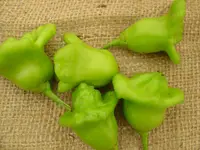
brinjal Care (Solanum melongena)

Also known as: eggplant, aubergine, guinea squash
brinjal

About brinjal

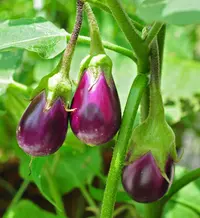
Brinjal, or Solanum melongena, is a warm-season vegetable plant grown for its glossy, fleshy fruits, often called eggplants. It belongs to the nightshade family, like tomato and pepper.

Plants are typically bushy with sturdy stems, purple-tinged leaves, and violet star-shaped flowers that develop into fruits of various shapes and colors. It is thought to have originated in Asia and is now cultivated in many warm and subtropical regions.

Brinjal is moderately demanding, as it needs consistent warmth, full sun, and fertile, well-drained soil to perform well. Understanding how to care for brinjal helps reduce stress, improve flowering, and increase yields.

Main Plant Requirements

Care Difficulty

Moderate Care

Light Preference

Full Sun

Water Requirements

Regular Water

Temperature Preference

Tropical / Frost Sensitive

Hardiness Zone

9–12

Soil Texture

Sandy, Loamy, Organic-rich

Soil pH

Acidic (5.5–6.5), Slightly acidic (6.5–7.0)

Soil Drainage

Moist but well-drained

Fertilization

Moderate (every 2–4 weeks)

Get Personalized Care Plan

Scan your plant to receive care tips personalized for your specific plant

Available on iOS and Android

How to Care for the brinjal

Solanum melongena needs strong, consistent sun to produce healthy growth and fruit.

  • Provide 6–8 hours of direct sunlight daily; full sun is preferred in most climates for compact plants and good yields.
  • Allow light afternoon shade in very hot regions to limit leaf scorch and flower drop, especially during heat waves above 95°F (35°C).
  • Plant so that rows run north–south, and avoid shading by buildings or tall crops; in late summer, prune dense foliage lightly to improve light penetration to fruits.

This species needs steady soil moisture without staying saturated to support flowering and fruiting.

  • Water when the top 3–5 cm of soil feels dry, soaking the root zone deeply rather than giving light surface splashes.
  • Use well-drained soil with organic matter so excess water runs off; persistent wetness, wilting with dark stems, or yellow lower leaves suggest overwatering.
  • Increase watering frequency during hot, dry spells and fruit set, and watch for dull, drooping leaves and small fruit as signs the Solanum melongena is too dry.

Warm, stable temperatures are essential for strong growth and reliable fruit set.

  • Aim for 70–85°F (21–29°C) for best growth and flowering; plants slow noticeably outside this range.
  • Avoid exposing plants to less than 55°F (13°C); growth is stressed below this, and even light frost can kill foliage and young plants.
  • In hot spells above 95°F (35°C), provide mulch and soil moisture to limit heat stress and flower drop, especially in exposed, windy sites.

Solanum melongena prefers moderate humidity but usually grows well outdoors in typical garden air.

  • Aim for 40–60% humidity; the plant tolerates slightly drier air if soil moisture is consistent.
  • Leaves may droop, curl, or develop dry brown edges if humidity is very low for prolonged periods.
  • In very arid regions, group plants together and use mulch over the root zone to reduce evaporative moisture loss when caring for brinjal.

Solanum melongena needs loose, fertile, well-drained soil to support rapid growth and heavy fruiting.

  • Use a deep, loamy soil rich in organic matter that holds moisture but still feels crumbly when squeezed.
  • Aim for pH 6.0–6.8; add garden lime if soil is very acidic or sulfur if it is clearly alkaline.
  • Incorporate 25–40% compost plus coarse sand or perlite to improve both nutrient content and aeration.
  • Avoid compacted, heavy clay or waterlogged sites, which promote root diseases and stunt Solanum melongena growth.

This species is well suited to container growing when given enough root volume and stable support.

  • Choose a pot at least 30–40 cm wide and deep so the root system can anchor the tall, fruit-laden stems without tipping.
  • Select a heavier material such as terracotta or thick-walled ceramic to reduce wind toppling and moderate moisture swings.
  • Elevate the container on pot feet so drainage holes stay clear and excess water escapes quickly, preventing root rot in dense substrates.

Solanum melongena is a heavy‑feeding annual that benefits from consistent nutrition during its active growing season.

  • Use a balanced fertilizer (such as 10‑10‑10) or compost, applied to moist soil to limit root burn.
  • Feed every 2–3 weeks in the growing season, or use a slow‑release granular product at planting time.
  • Dilute liquid fertilizers to about half strength for container plants to avoid excess salts.
  • Reduce or stop feeding in late fall or winter when plants are no longer actively producing.

Solanum melongena responds well to light, purposeful pruning that improves airflow and fruit quality.

  • Prune in warm, active growth once plants are well established and night temperatures are stable.
  • Remove dead, diseased, or storm‑damaged stems with clean, sharp pruners to lower disease risk.
  • Thin out weak or heavily crowded shoots to open the canopy and encourage larger fruits.
  • Pinch or shorten very tall leaders to control height and support a balanced, sturdy structure.

Eggplant is usually transplanted outdoors from containers once seedlings of Solanum melongena are sturdy and roots are established.

  • Transplant after frost danger passes, when seedlings have 3–5 true leaves and white roots just touch the pot edge.
  • If roots circle the container or growth stalls, move up 1 pot size using loose, well‑drained mix.
  • Harden off plants 7–10 days before planting out by gradually increasing light, wind, and outdoor time.
  • Transplant in the evening or on cloudy days, water thoroughly, and mulch lightly to limit transplant shock.

Most Solanum melongena plants are propagated from seed for predictable growth and yield.

  • Sow seeds indoors 6–8 weeks before the last frost, using a sterile seed‑starting mix.
  • Keep soil at 75–85°F with consistent moisture and good air circulation for reliable germination.
  • Provide bright light (grow lights or sunny window) to prevent weak, leggy seedlings.
  • Optionally take softwood cuttings in warm conditions, using rooting hormone and high humidity to encourage roots.

Eggplant is a frost‑tender perennial often grown as a warm‑season annual, so winter care focuses on avoiding freezing temperatures.

  • Plants are damaged near 32°F and usually die with hard frost, so end‑of‑season cleanup is standard outdoors.
  • In mild climates, mulch the root zone 5–7 cm deep to buffer brief cool spells.
  • Container plants can be moved indoors to a bright, frost‑free spot and kept just barely moist over winter.

Care Tips

Early staking setup

Install sturdy stakes or a cage at transplanting time so roots are not disturbed later and tie stems loosely as they grow to keep heavy fruit off the soil and reduce breakage.

Targeted blossom support

When plants start flowering, remove the first 1–2 flowers on very small plants and thin crowded fruit clusters so the remaining fruit develop larger, more evenly and reduce stress on the plant.

Consistent mulched bed

Apply a 5–8 cm layer of clean straw or shredded bark around the base, keeping it a few cm from the stem, to stabilize soil moisture, limit soil splash, and lower risk of soil-borne diseases.

Proactive pest scouting

Inspect leaves and stems at least twice a week for flea beetles, spider mites, and whiteflies, and remove early infestations by hand, water spray, or targeted low-toxicity controls before populations build.

Regular lower leaf pruning

Once plants are established and flowering, remove yellowing or very low leaves that touch the soil to improve air flow, reduce disease risk, and make harvesting and caring for brinjal easier.

Common Pests and Diseases

Flea beetles

This pest creates many tiny round shot-hole wounds in leaves, often causing young plants to become stunted or fail to establish.

Solution

Use floating row covers to protect seedlings, keep weeds down around the bed, and apply a targeted spinosad or neem-based spray in the early morning if damage is heavy. For home gardens, mulching and planting trap crops like radish nearby can also help draw beetles away from eggplants.

Eggplant fruit and shoot borer

This pest bores into young shoots and developing fruits, causing wilting tips, frass-filled entry holes, and distorted or prematurely dropping fruits.

Solution

Inspect plants regularly and remove and destroy infested shoots and fruits as soon as damage is seen. Use fine mesh netting or row covers early in the season, and if needed apply Bacillus thuringiensis (Bt) or neem-based products targeting young larvae, focusing sprays on flowers, shoots, and small fruits.

Verticillium wilt

This disease causes gradual yellowing and wilting of lower leaves, often on one side of the plant, followed by general decline and reduced yield.

Solution

Remove and destroy affected plants, including as much root material as possible, and do not compost them. Practice 3–4 year crop rotation with non-host crops, improve soil drainage, and choose wilt-resistant eggplant varieties when available, as fungicides are generally ineffective once plants are infected.

Phomopsis blight

This disease produces dark, sunken lesions on stems, leaves, and especially fruits, which may crack or shrivel and become unmarketable.

Solution

Remove infected fruits and stems promptly and dispose of them away from the garden. Avoid overhead watering, stake plants for better airflow, use clean seed or transplants, and rotate out of nightshade crops for several years; copper-based fungicides can be used preventively in humid conditions if the disease has been a problem before.

Spider mites

These insects cause fine yellow speckling on leaves, webbing on the undersides, and eventual bronzing and leaf drop during hot, dry weather.

Solution

Spray leaf undersides with a strong stream of water to dislodge mites and increase humidity around plants to slow population growth. If needed, use insecticidal soap or horticultural oil, applied thoroughly to both leaf surfaces, and avoid broad-spectrum insecticides that kill beneficial predatory mites.

Interesting Facts

Domesticated from bitter wild forms

Cultivated eggplant descends from wild, very bitter Solanum species native to South and Southeast Asia, and centuries of selection have reduced bitterness by lowering certain glycoalkaloids, which are defensive compounds that can taste sharp and astringent.

Many shapes and colors

This species includes a wide range of cultivars, from long, slender Asian types to round or teardrop fruits, in colors that can be deep purple, pale violet, white, green, or bi-colored with striping, all still belonging to a single species.

Self-pollinating but insect-assisted

Eggplant flowers are usually self-fertile and can set fruit without pollen from another plant, yet pollen movement by bees, especially bumble bees that buzz the flowers, often improves fruit set and quality.

Botan icon

Did you know?

As a close relative of potato and tomato, Solanum melongena was once considered ornamental and even suspicious in parts of Europe, and for several centuries after its introduction it was grown more for its unusual glossy fruits and attractive purple flowers than for regular culinary use.

FAQs about brinjal

Yellowing leaves often result from nitrogen deficiency, overwatering, or waterlogged soil reducing root oxygen. Older leaves naturally yellow as the plant shifts energy to fruits. Check drainage, watering frequency, and consider a balanced fertilizer to correct nutrient issues.

Grow Healthy Plants with Botan Care

Keep your plants happy and healthy with plant identification, disease detection, and easy care guidance.

Botan plant care app — identify plants on mobile

Explore More Plants