Early staking support
Install a sturdy stake or small tomato cage when plants are 10–15 cm tall so roots are not disturbed later and branches are supported once fruits become heavy.

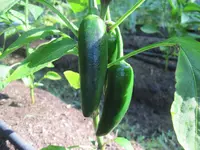
Capsicum annuum 'Jalapeno' is a compact chili pepper cultivar grown for its medium-heat, thick-walled fruits. It is usually an annual in temperate climates but is a short-lived perennial in frost-free areas.
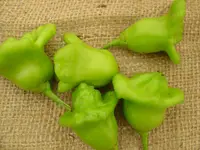
Plants form a bushy shape with smooth green leaves and small white flowers that develop into firm, glossy green peppers that can ripen to red. It originates from warm regions of Mexico and Central America and has been widely adapted to garden and container growing.
This pepper is considered easy to moderate to grow, as it needs consistent warmth, plenty of light, and regular moisture but not waterlogged soil. Understanding how to care for Jalapeno Pepper helps ensure reliable flowering and fruiting.

Care Difficulty
Moderate Care

Light Preference
Full Sun

Water Requirements
Moderate Water

Temperature Preference
Tropical / Frost Sensitive

Hardiness Zone
10–11

Soil Texture
Sandy, Loamy, Organic-rich

Soil pH
Acidic (5.5–6.5), Slightly acidic (6.5–7.0)

Soil Drainage
Moist but well-drained

Fertilization
Moderate (every 2–4 weeks)
Scan your plant to receive care tips personalized for your specific plant
Available on iOS and Android
This pepper needs strong, direct light to flower and fruit well.
This plant prefers evenly moist, well-drained soil without staying soggy.
Steady warmth is essential for strong growth and fruiting.
This pepper prefers moderately humid air but usually adapts to typical indoor and outdoor levels.
Capsicum annuum 'Jalapeno' thrives in loose, fertile, well-draining soil that still holds some moisture.
This species is well suited to container growing outdoors on patios, balconies, or decks.
Capsicum annuum 'Jalapeno' responds well to moderate, consistent feeding during its active growing season.
Pruning Capsicum annuum 'Jalapeno' is useful for plant health, airflow, and manageable size.
Capsicum annuum 'Jalapeno' is usually grown as a seasonal crop and is more often transplanted than long-term potted and repotted.
Capsicum annuum 'Jalapeno' is most commonly propagated from seed for reliable crop production.
Capsicum annuum 'Jalapeno' is frost-sensitive and treated as an annual in most temperate climates, but container plants can be overwintered indoors.

Plant Health Check
Not sure what's wrong with your plant? Check your plant's health inside the app.
Jalapeno fruits typically fall in the mid-range of the Scoville scale because they contain moderate levels of capsaicin and related capsaicinoids, which trigger heat receptors in human nerve cells rather than causing actual thermal injury.
The fruits are usually harvested green but will turn red or sometimes nearly black as they fully ripen, with ripening associated with higher sugar content, softer texture, and often increased perceived heat.
The small tan or white stretch marks known as corking on the fruit surface are a response to rapid growth and skin expansion and are often used by growers as a visual indicator of mature, flavorful jalapenos.

Jalapeno peppers were one of the first chili peppers grown commercially on a large scale in Mexico and are named after Xalapa (Jalapa), the capital city of Veracruz, which historically served as an important regional center for their trade and cultivation.
Yellowing leaves often result from overwatering, nutrient deficiency (especially nitrogen or magnesium), or cool temperatures. Check drainage, avoid waterlogged soil, and use a balanced fertilizer. Older leaves yellowing first is common as the plant reallocates nutrients.
Keep your plants happy and healthy with plant identification, disease detection, and easy care guidance.