Controlled clump division
Divide mature clumps every 3–4 years in early spring, replanting outer, more vigorous sections at the same depth to maintain strong growth and prevent overcrowding in a perennial bed.

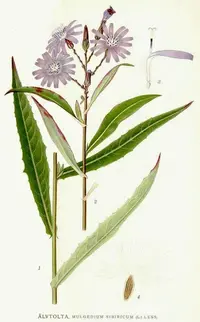
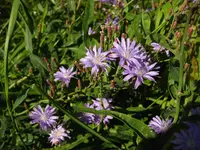
Siberian lettuce, Lactuca sibirica, is a hardy perennial herb in the daisy family, forming upright clumps from creeping rhizomes. It produces narrow leaves and loose clusters of pale yellow to cream flower heads on tall stems.
This species occurs naturally in northern Europe and Asia, often in moist meadows, open woodland edges, and along streams. It tends to spread gradually where conditions suit it, creating small colonies over time.
Lactuca sibirica is generally resilient in cool to temperate climates but may sulk in hot, dry sites. It prefers consistent moisture, light shade to sun, and well-drained but not dry soil, which guides how to care for Siberian lettuce.

Care Difficulty
Moderate Care

Light Preference
Full Sun

Water Requirements
Regular Water

Temperature Preference
Cold Hardy

Hardiness Zone
3–7

Soil Texture
Loamy, Silty, Organic-rich

Soil pH
Acidic (5.5–6.5), Slightly acidic (6.5–7.0)

Soil Drainage
Moist but well-drained

Fertilization
Minimal (feed rarely)
Scan your plant to receive care tips personalized for your specific plant
Available on iOS and Android
This cool-climate perennial prefers bright conditions with protection from harsh midday sun.
This species prefers consistently moist, cool soil without becoming waterlogged.
This hardy plant thrives in cool to mild climates and tolerates significant cold once established.
This species tolerates a wide humidity range and usually does not need special humidity management outdoors or in cool, airy conditions.
Lactuca sibirica prefers loose, moist but well-drained soil that stays cool around the roots.
This species can be grown in containers if the pot is sized and drained to keep roots evenly moist without waterlogging.
This hardy perennial lettuce needs only light feeding in average garden soil.
Pruning focuses on maintaining healthy foliage and encouraging fresh leaves rather than shaping the plant.
This species is more often transplanted in the ground than maintained long-term in containers.
Lactuca sibirica is commonly propagated by seed and division for garden use.
This cold-hardy perennial usually needs minimal winter care in temperate climates.

Plant Health Check
Not sure what's wrong with your plant? Check your plant's health inside the app.
This species often forms dense patches through underground rhizomes, allowing a single genetic individual to occupy a surprisingly large area in moist meadows and forest edges.
It has a distinctly northern, boreal range, occurring from northern and eastern Europe across Siberia to parts of East Asia, where it favors cool climates and seasonally wet soils.
In regions where it overlaps with related wild lettuces, this species can hybridize, which is one reason its taxonomy and population boundaries have been considered complex in botanical studies.
This species is technically edible, but its leaves are usually bitter and fibrous compared with common salad lettuces. It is not widely used as a vegetable and is better treated as an ornamental wildflower in gardens.
Keep your plants happy and healthy with plant identification, disease detection, and easy care guidance.