green bean Care (Phaseolus vulgaris)

Also known as: Common Bean, French Bean, Green Bean, pinto bean, cranberry bean, Royal burgundy bean, stick-bean, pole bean
green bean

About green bean

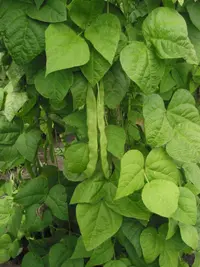
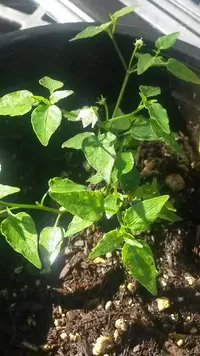
Green bean, Phaseolus vulgaris, is a warm-season annual vegetable grown for its tender, immature pods. It is commonly grown in home gardens and small farms. Bush types stay compact and upright, while pole types climb and need support, producing longer harvests. Leaves are soft green and trifoliate, and flowers are small and usually white or pale purple. The species originated in the Americas and is now cultivated in many temperate and subtropical regions. It is considered relatively easy to grow, with fast development and reliable yields when given enough warmth. Plants prefer full sun, moderately moist but well-drained soil, and benefit from simple, consistent care for green bean at all stages of growth.

Main Plant Requirements

Care Difficulty

Easy Care

Light Preference

Full Sun

Water Requirements

Regular Water

Temperature Preference

Tropical / Frost Sensitive

Hardiness Zone

2–11

Soil Texture

Sandy, Loamy, Organic-rich

Soil pH

Acidic (5.5–6.5), Slightly acidic (6.5–7.0)

Soil Drainage

Well-drained

Fertilization

Light (every 4–6 weeks)

Get Personalized Care Plan

Scan your plant to receive care tips personalized for your specific plant

Available on iOS and Android

How to Care for the green bean

Phaseolus vulgaris needs strong, direct light to flower and produce pods well.

  • Provide 6–8 hours of full sun daily; morning sun plus early afternoon exposure is ideal in most climates.
  • Plants tolerate light partial shade (3–4 hours sun) but yield fewer pods; choose the sunniest, open spot available.
  • In very hot regions, protect from intense late-afternoon sun with light shade to reduce leaf scorch and pod toughening, especially in midsummer for green bean crops.

Watering should keep the root zone evenly moist without becoming saturated.

  • Irrigate when the top 3–5 cm of soil feels dry, applying a deep soak so moisture reaches 15–20 cm depth around the roots.
  • Use well-drained soil or raised beds so water does not pool; soggy conditions cause yellowing leaves, wilting despite wet soil, and root rot.
  • In hot, dry weather, check moisture daily; in cooler periods, extend intervals and watch for dull, limp leaves and dry soil as a cue to water.

Stable warmth is essential for reliable growth and pod set.

  • Ideal growing temperatures are 70–85°F (21–29°C); growth slows noticeably below 60°F (16°C).
  • Seeds and young plants are very frost sensitive; avoid planting until nights stay above 55°F (13°C) and soil is warm.
  • Mature plants tolerate short heat spells up to about 95°F (35°C), but extended heat can reduce flowering, so provide mulch and consistent moisture during hot periods.

Humidity is rarely critical for Phaseolus vulgaris, which adapts well to typical outdoor levels around 40–60%.

  • Tolerates relatively dry air but may drop flowers if combined with high heat and drought stress.
  • Leaves showing scorched edges or puckering during heat waves can indicate combined moisture and humidity stress.
  • In very arid climates, use windbreaks or low mulch to reduce moisture loss around green bean foliage.

Phaseolus vulgaris prefers loose, well-aerated, moisture-retentive but free-draining soil for strong root and pod development.

  • Use a loamy mix with 30–50% finished compost blended into existing garden soil to improve structure and nutrient supply.
  • Aim for pH 6.0–7.0; incorporate garden lime if soil is acidic or elemental sulfur if soil tests alkaline.
  • Improve drainage and aeration by adding coarse sand or fine gravel to heavy clay and avoiding compaction from foot traffic.
  • Avoid waterlogged, salty, or very rich manure-heavy beds, which promote weak, lush growth and increase susceptibility to root diseases.

This species is suitable for container growing when the pot supports its deep, fast-growing root system.

  • Select a container at least 25–30 cm deep so roots can anchor the climbing or bushy top growth without restricting development.
  • Choose a heavier material such as clay or thick plastic to reduce tipping risk when vines or pods add weight on supports.
  • Ensure large drainage holes and elevate the pot slightly so excess water escapes quickly, preventing root rot in the confined soil volume.

Phaseolus vulgaris benefits from moderate feeding to support steady vegetative growth and pod production.

  • Use a balanced NPK fertilizer (for example 10-10-10) or well-rotted compost as the primary nutrient source.
  • Apply fertilizer every 3–4 weeks during active growing and flowering, starting after true leaves develop.
  • Dilute liquid feeds to half strength to avoid excess nitrogen, which encourages foliage over pods.
  • Stop or greatly reduce feeding in late fall or winter, especially for green bean grown in mild climates.

Pruning Phaseolus vulgaris is light and mainly focused on keeping vines or bushes healthy and productive.

  • In mid to late season, remove dead, yellowing, or diseased leaves to improve air flow and reduce disease pressure.
  • Trim back damaged or tangled stems on pole types to keep vines on their supports and ease harvesting.
  • Use clean, sharp scissors or hand pruners, cutting just above a healthy leaf node to limit tissue injury.
  • Avoid heavy cutting; focus on removing crowded interior growth that shades flowers and developing pods.

Bush and pole beans are usually transplanted once outdoors rather than repotted repeatedly.

  • Start seeds in biodegradable pots if needed, then transplant when seedlings have 1–2 sets of true leaves and frost risk has passed.
  • Shift or transplant when roots begin to circle the container or growth stalls, minimizing disturbance to the root ball.
  • Plant into loose, well-drained soil at the same depth, firm gently, and water thoroughly to settle roots.
  • Provide light shade or row cover for 2–3 days after transplanting to reduce transplant shock and water loss.

Phaseolus vulgaris is almost always propagated from seed for uniform, fast-growing crops.

  • Sow seeds in late spring when soil reaches at least 60°F for reliable germination.
  • Use well-drained, loose soil or seed-starting mix and plant seeds 2–5 cm deep, spacing according to bush or pole type.
  • Keep the substrate evenly moist but not waterlogged until seedlings are established, then reduce watering slightly.
  • Good airflow, full sun, and soil temperatures ideally around 70–85°F promote strong emergence and early growth.

Common beans are warm-season annuals and usually die back with hard frost, so long-term winter care is minimal.

  • In temperate climates, harvest remaining pods before first killing frost since plants are frost-sensitive.
  • Remove and compost healthy spent plants after freeze; discard diseased material to limit future problems.
  • In very mild winters, a light mulch can help roots of late plantings persist slightly longer into the cool season.

Care Tips

Early support setup

Install trellises, netting, or stakes at sowing time so vines can climb immediately, which reduces stem damage and keeps pods cleaner and easier to harvest.

Staggered sowing

Sow small batches every 10–14 days instead of all at once to extend the harvest window and keep plants producing tender pods over a longer season.

Timely pod picking

Harvest pods as soon as they reach full length but before the seeds bulge strongly, which signals the plant to continue flowering and maximizes total yield when growing green bean.

Targeted pest scouting

Inspect the undersides of leaves and young pods at least twice a week for early signs of aphids, spider mites, or beetles, and remove small infestations by hand or with a directed water spray before populations build.

Soil surface management

Apply a thin, loose mulch layer such as straw between rows after seedlings are established to reduce soil splash on leaves and pods, which helps limit fungal problems and keeps harvests cleaner.

Common Pests and Diseases

Mexican bean beetle

This pest is a leaf-feeding beetle whose adults and larvae skeletonize bean leaves, leaving a lacy, scorched appearance and reducing yield.

Solution

Hand-pick adults and yellow egg clusters from leaf undersides, remove heavily infested leaves, and use floating row covers to exclude beetles early in the season; in heavier infestations, apply insecticidal soap or neem oil directed to leaf undersides, and encourage natural predators such as lady beetles and lacewings.

Bean rust

This disease causes small yellow to orange spots that develop into rusty pustules on leaves, pods, and stems, leading to premature leaf drop and reduced pod quality.

Solution

Remove and destroy infected leaves and crop residues, avoid overhead watering, and space plants for good airflow; in areas with frequent rust, plant resistant varieties and, if needed, apply a labeled sulfur or copper-based fungicide at the first sign of pustules, following instructions carefully.

Anthracnose

This disease produces dark, sunken lesions on stems, pods, and seeds, and can cause leaf vein discoloration and poor seed quality, especially in cool, wet conditions.

Solution

Use certified disease-free seed, avoid working among plants when they are wet, and promptly remove and dispose of infected plants and plant debris; rotate out of beans and other legumes for at least 2–3 years and, in high-pressure areas, choose resistant cultivars as part of overall Phaseolus vulgaris care.

Bean common mosaic virus

This disease causes mottled, distorted, or puckered leaves, stunted plants, and reduced pod set, often with dark green mosaic patterns between veins.

Solution

Immediately remove and discard symptomatic plants to limit spread, control aphids that transmit the virus using strong water sprays or insecticidal soap, and plant certified virus-free, resistant varieties while avoiding saving seed from infected crops.

Aphids

These insects cluster on young shoots and leaf undersides, sucking sap and causing curling, yellowing, and sticky honeydew that can lead to sooty mold on leaves and pods.

Solution

Spray colonies off with a strong jet of water, repeat every few days, and use insecticidal soap or neem oil for persistent infestations; encourage beneficial insects such as lady beetles and hoverflies, and remove heavily infested shoot tips if populations stay high.

Interesting Facts

Domesticated many times

Genetic studies show that common bean was domesticated independently in both Mesoamerica and the Andes, creating two major gene pools with distinct seed sizes, colors, and growth habits.

Nitrogen-fixing partner

This species forms nodules on its roots with Rhizobium bacteria, which convert atmospheric nitrogen into forms the plant can use, reducing the need for high nitrogen fertilizers when soil biology is healthy.

Edible in multiple stages

Common bean is unusual in that it is widely eaten as fresh pods (snap beans), immature seeds (shelling beans), and fully dried seeds (dry beans), all from the same species selected into different horticultural types.

Botan icon

Did you know?

Common bean seeds have been found in archaeological sites in Mexico and Peru dating back several thousand years, showing that this species was a staple crop of pre-Columbian civilizations long before its global spread after European contact.

FAQs about green bean

Yellowing leaves often result from nutrient imbalance, overwatering, or natural aging of lower foliage. Check for waterlogged soil, improve drainage, and consider a balanced fertilizer. Also inspect for spider mites or aphids, which can cause discoloration.

Grow Healthy Plants with Botan Care

Keep your plants happy and healthy with plant identification, disease detection, and easy care guidance.

Botan plant care app — identify plants on mobile

Explore More Plants