twinberry Care (Myrcianthes fragrans)

Also known as: Simpson's Stopper
twinberry

About twinberry

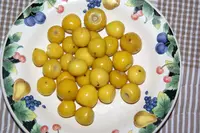
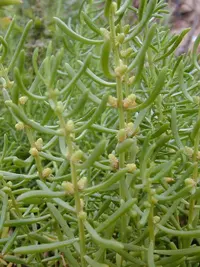
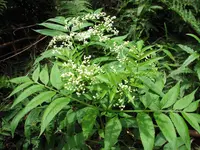
Twinberry (Myrcianthes fragrans) is an evergreen shrub or small tree in the myrtle family, valued for its dense foliage and fragrant leaves. It typically forms a rounded, bushy shape with small, glossy leaves and clusters of pale flowers that develop into dark, paired berries. Native to Florida, the Caribbean, and parts of Central America, it naturally occurs in coastal hammocks and scrubby woodlands. The plant is generally resilient and adapts well to warm climates, which makes it reasonably easy to grow in suitable regions. It prefers sun to light shade, well-drained soil, and moderate moisture, and these simple needs guide how to care for twinberry.

Main Plant Requirements

Care Difficulty

Easy Care

Light Preference

Full Sun

Water Requirements

Moderate Water

Temperature Preference

Warm Climate

Hardiness Zone

9–11

Soil Texture

Sandy, Loamy, Organic-rich

Soil pH

Acidic (5.5–6.5), Slightly acidic (6.5–7.0)

Soil Drainage

Moist but well-drained

Fertilization

Minimal (feed rarely)

Get Personalized Care Plan

Scan your plant to receive care tips personalized for your specific plant

Available on iOS and Android

How to Care for the twinberry

Myrcianthes fragrans prefers bright conditions that mimic open woodland edges.

  • Provide 4–6 hours of direct morning sun with light afternoon shade; full, harsh afternoon sun in hot climates can scorch foliage.
  • Plant in a spot with dappled or high, filtered light for the rest of the day; twinberry tolerates light partial shade but may flower less.
  • In cooler coastal areas it can handle more full sun, while in hotter inland sites, increase shade during summer to prevent leaf burn.

This species prefers steadily moist but not waterlogged soil.

  • Water when the top 3–5 cm of soil feels dry, allowing deeper soil to stay slightly moist to support the shallow feeder roots.
  • Use well-drained soil so excess water runs off within a few seconds; persistent surface puddles or sour smell indicate overwatering and poor aeration.
  • In cooler seasons reduce frequency as growth slows, while in hot, windy periods watch for drooping or crisp leaf edges as signs it needs water sooner.

This subtropical shrub grows best in warm, frost-free conditions.

  • Aim for 65–80°F (18–27°C) during active growth, where photosynthesis and root activity remain stable and foliage stays dense.
  • Protect from temperatures below 30°F (-1°C); light frost may damage young tips, and repeated freezes can kill branches or entire plants.
  • Mature plants tolerate short heat spikes to 95°F (35°C) if soil moisture is adequate, but prolonged extreme heat with dry soil leads to leaf drop.

This species handles a range of household humidity but grows best with slightly moist air.

  • Aim for 40–60% humidity; twinberry tolerates brief dips lower but may grow more slowly.
  • Crisping leaf tips or edges and stalled new growth often indicate air that is too dry.
  • Use a humidifier or a pebble tray near the plant rather than misting leaves, which dries quickly.

This shrub prefers loose, aerated soil that drains freely yet holds moderate moisture.

  • Use a mix of roughly 50% loam or potting soil, 30% compost, and 20% perlite or coarse sand to keep texture crumbly and stable.
  • Ensure water drains within a few minutes after watering; soggy, slow-draining soil greatly increases root rot risk in Myrcianthes fragrans.
  • Target a slightly acidic to neutral pH around 6.0–7.0, avoiding strongly alkaline substrates that can reduce nutrient availability.
  • Improve aeration by adding pine bark fines or extra perlite if the mix compacts or feels heavy when squeezed.

This species is well suited to container culture for patios, small gardens, or training as a shrub or small tree.

  • Choose a deep, heavy pot to anchor the plant and prevent tipping as the woody canopy becomes denser.
  • Select thick-walled terracotta or similar porous material if extra moisture loss is needed in rainy or humid climates.
  • Elevate the container on feet or blocks so drainage holes stay clear and water cannot pool under the base.

Myrcianthes fragrans benefits from light, thoughtful feeding rather than heavy fertilization.

  • Use a balanced slow-release fertilizer (around 10-10-10) or thin layer of compost in early spring to support new growth.
  • Apply once in spring and again mid-summer during active growth; many established plants in the ground need no extra feeding.
  • For container-grown twinberry, feed every 6–8 weeks at half-strength, ensuring the soil is moist before application.
  • Stop feeding in late summer and avoid fertilizing in fall and winter to prevent soft, frost-tender growth.

Pruning helps keep Myrcianthes fragrans dense, healthy, and well-shaped.

  • Carry out main pruning in late winter or very early spring before strong new growth starts.
  • Remove dead, diseased, crossing, or crowded branches first, cutting back to healthy wood with clean, sharp pruners.
  • Thin lightly within the canopy to improve air flow and light penetration, which supports foliage health and flowering.
  • Shorten overly long shoots to maintain a compact form, making angled cuts just above outward-facing buds.

This species is usually grown in the ground, so focus on careful transplanting or occasional container upsizing.

  • Transplant or up-pot in late winter to early spring when growth is just starting and temperatures are mild.
  • Look for roots circling the pot, slow growth, or quick drying soil as signs that a container plant needs more space, typically every 2–3 years.
  • Choose a slightly larger container or new ground position with well-drained soil, and handle the root ball gently to limit disturbance.
  • Water thoroughly after moving, keep soil evenly moist for several weeks, and provide light shade to reduce transplant shock.

Myrcianthes fragrans is commonly propagated from semi-ripe cuttings or fresh seeds under warm, stable conditions.

  • Take semi-ripe stem cuttings in late spring to summer, 7–10 cm long, with several leaf nodes and healthy, non-flowering tips.
  • Insert cuttings into a free-draining mix, optionally with rooting hormone, and keep humidity high and temperatures around 70–75°F.
  • Sow fresh seeds in spring in a sandy, well-drained medium, covering lightly and maintaining consistent moisture, not saturation.
  • Provide bright, indirect light and gentle bottom warmth for both cuttings and seeds, and avoid disturbing them until roots are established.

In mild climates this shrub is fairly cold tolerant but needs protection from hard freezes, especially when young or container-grown.

  • Tolerates brief dips near freezing but can suffer damage below about 25°F, particularly in exposed sites.
  • Apply 5–8 cm of organic mulch around the root zone in late fall, keeping it a few cm away from the stem base.
  • For potted plants, move containers to a sheltered porch, unheated greenhouse, or bright indoor spot before severe frost is forecast.
  • In colder areas, wrap vulnerable young stems with breathable frost cloth and avoid pruning in fall, which can trigger tender new growth.

Care Tips

Wind-shaping maintenance

In exposed sites, lightly head back long, flexible shoots after windy periods to maintain a dense, wind-firm canopy and reduce branch breakage as the shrub matures.


Trunk and framework training

While young, select 3–5 well-spaced main stems and remove weak, crossing, or low branches over 2–3 seasons to create a sturdy multi-stem or small standard tree form that resists storm damage.

Understory mulch band

Maintain a 5–8 cm deep, 45–60 cm wide ring of arborist wood chips around the base, keeping mulch 5–8 cm away from the trunk, to stabilize soil moisture, cool the root zone, and suppress weed competition.

Salt-spray mitigation

In coastal landscapes, lightly hose foliage with fresh water after major salt-laden winds and avoid de-icing salts nearby to prevent marginal leaf burn and gradual decline of exposed branches.

Wildlife and fruit management

If fruit drop near paths is a concern, thin some flower clusters by hand in late spring or place a breathable ground cloth under the canopy during peak fruiting to make cleanup faster while still supporting wildlife when growing twinberry.

Common Pests and Diseases

Myrtaceae rust

This disease is caused by rust fungi that can infect Myrcianthes and related myrtle family plants, leading to yellow spots and dusty orange pustules on young leaves and shoots. Symptoms include reduced vigor and premature leaf drop in warm, humid conditions.

Solution

Prune out and discard affected shoots, collect fallen leaves from the ground, and avoid overhead watering to keep foliage dry. Improve air circulation around the shrub and, in areas with recurring problems, use a labeled copper-based fungicide during warm, wet periods according to local guidelines for Myrcianthes fragrans care.

Psyllids

These insects are small, sap-feeding pests that resemble tiny jumping flies and commonly target Myrcianthes and other myrtle family hosts. Symptoms include distorted new growth, sticky honeydew, and sometimes white, waxy secretions on young stems and leaf undersides.

Solution

Rinse infested foliage thoroughly with a strong stream of water to dislodge nymphs, then monitor new growth closely. If populations remain high, apply insecticidal soap or a light horticultural oil to young flushes of growth, coating leaf undersides and repeating as needed according to label directions.

Leaf spot

This disease produces scattered tan to dark brown spots on leaves, sometimes with yellow halos, especially under extended leaf wetness. Symptoms include thinning foliage and a generally less dense canopy if infection is severe or recurrent.

Solution

Remove and discard heavily spotted leaves and prune interior branches slightly to improve air movement and faster drying after rain. Avoid wetting foliage when irrigating and, if the problem persists, apply a broad-spectrum ornamental fungicide labeled for leaf spots on woody shrubs at the start of warm, wet weather.

Scale insects

These insects appear as small, immobile bumps on stems and leaf midribs and feed on plant sap. Symptoms include sticky honeydew, sooty mold growth, and gradual decline in vigor, particularly on older, denser branches.

Solution

Gently scrape off or wipe individual scales with a soft cloth or cotton swab dipped in alcohol, then prune heavily infested twigs. For broader infestations, use horticultural oil sprays to smother crawlers and exposed scales, repeating treatments to target newly hatched stages while avoiding applications during high heat.

Interesting Facts

Fragrant bark and foliage

The bark and leaves release a noticeable spicy, resinous scent when crushed, which comes from essential oils typical of the myrtle family but is especially pronounced in this species.

Attracts specialist pollinators

Its small white flowers produce abundant nectar that draws native bees and other insects in its Florida and Caribbean range, supporting local pollinator communities.

Coastal dune native

This shrub naturally occurs on coastal hammocks and dunes in south Florida and the Caribbean, where it tolerates wind, sandy soils, and some salt exposure.

Botan icon

Did you know?

In south Florida, this species is considered a high-value wildlife shrub because its dark berries are eaten by a wide range of native birds, which in turn help disperse its seeds across coastal and hammock habitats.

FAQs about twinberry

Growth is moderately fast. Young plants often add 20–40 cm per year, slowing as they mature. Rate depends on warmth, moisture, and soil fertility. Pruning can direct shape but does not greatly change overall annual extension growth.

Grow Healthy Plants with Botan Care

Keep your plants happy and healthy with plant identification, disease detection, and easy care guidance.


Botan plant care app — identify plants on mobile

Explore More Plants