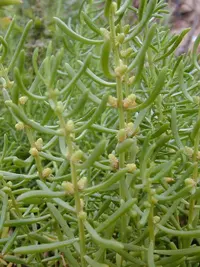
maricao cimun Care (Byrsonima crassifolia)

Also known as: Nance
maricao cimun

About maricao cimun

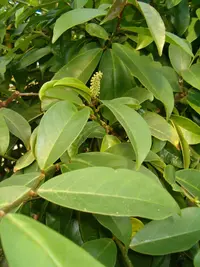
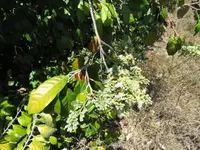
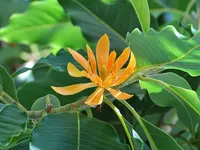
Maricao cimun, Byrsonima crassifolia, is a small tropical tree or large shrub valued for its dense foliage and small yellow flowers followed by edible fruits. It often has a rounded crown and can be used as a fruiting specimen or informal hedge in warm climates.

This species is native to tropical regions of the Americas, especially dry forests and savannas, so it tolerates heat and seasonal drought once established. It prefers full sun, moderately fertile, well-drained soil, and steady moisture while young. These traits make it fairly resilient but better suited to warm outdoor conditions than cool indoor spaces, so understanding how to care for maricao cimun starts with matching its natural climate as closely as possible.

Main Plant Requirements

Care Difficulty

Moderate Care

Light Preference

Full Sun

Water Requirements

Moderate Water

Temperature Preference

Tropical / Frost Sensitive

Hardiness Zone

10–12

Soil Texture

Sandy, Loamy, Organic-rich

Soil pH

Acidic (5.5–6.5), Slightly acidic (6.5–7.0)

Soil Drainage

Well-drained

Fertilization

Minimal (feed rarely)

Get Personalized Care Plan

Scan your plant to receive care tips personalized for your specific plant

Available on iOS and Android

How to Care for the maricao cimun

Byrsonima crassifolia thrives in warm, bright conditions with strong sun exposure.

  • Provide 6–8 hours of direct sun daily; full sun is ideal for flowering and fruiting in maricao cimun.
  • Allow light afternoon shade in very hot climates to reduce leaf scorch, especially on young plants or newly transplanted trees.
  • In winter or cloudy seasons, ensure the site is as open as possible, avoiding shade from buildings or taller trees that can cause sparse growth.

This species prefers steady soil moisture but does not tolerate prolonged waterlogging.

  • Water when the top 3–5 cm of soil feels dry, soaking the root zone deeply, then allow excess water to drain away fully.
  • During hot, dry periods, monitor foliage; drooping or curling leaves signal underwatering, while yellowing leaves or soft stems can indicate overwatering in Byrsonima crassifolia.
  • Plant in well-drained soil; avoid compacted or constantly saturated sites, and reduce watering in cooler months when growth slows.

This tropical tree needs warm conditions and is sensitive to frost.

  • Aim for 70–90°F (21–32°C) for active growth, with stable warmth promoting better flowering and fruit set.
  • Protect from temperatures below 40°F (4°C); brief dips near 32°F (0°C) can damage foliage and young shoots, and hard frost may kill small plants.
  • Mature trees tolerate short heat waves up to about 100°F (38°C) if soil moisture is adequate, but prolonged extreme heat with dry soil can stress the plant.

This tropical fruit tree prefers moderately high humidity but adapts to many outdoor climates once established.

  • Aim for 50–70% humidity, especially for young or potted maricao cimun plants in warm climates.
  • Dry air can cause leaf edges to brown and curl, and new growth may appear small or distorted.
  • Increase humidity by grouping plants, placing containers near but not in water features, or lightly misting foliage during hot, very dry periods.

This species thrives in light, well-drained soils that do not stay waterlogged after rain or irrigation.

  • Use a sandy or sandy-loam mix with moderate organic matter so roots receive both moisture and air.
  • Ensure fast drainage by combining roughly 50–60% coarse sand with 20–30% compost and 10–20% fine bark or perlite.
  • Maintain slightly acidic to neutral pH around 6.0–7.0, which supports nutrient availability for Byrsonima crassifolia.
  • Avoid heavy clay, compacted sites, or mixes rich in peat alone, which hold excess water and reduce oxygen around the roots.

This species can be grown in containers when provided with adequate root space and stable drainage-focused setups.

  • Choose a deep, heavy pot that resists tipping as the tree becomes woody and top-heavy in windy outdoor locations.
  • Select a container material such as thick terracotta or concrete if extra weight and slower moisture fluctuations are needed in exposed sites.
  • Elevate the pot on feet or bricks so drainage holes stay clear, allowing rapid runoff after heavy watering or storms.

This tropical fruit tree benefits from light, steady feeding but often grows acceptably in poor soils.

  • Use a balanced slow-release fertilizer (such as 10-10-10) or well-rotted compost at the start of the warm growing season.
  • Apply fertilizer every 8–12 weeks during active growth, focusing on the root zone, not the trunk.
  • Dilute liquid feeds to 1/2 strength for container-grown maricao cimun to avoid salt buildup and root burn.
  • Reduce or stop feeding in cooler months when growth slows, especially in subtropical or marginal climates.

Byrsonima crassifolia responds well to light structural pruning that maintains health and access to light.

  • Carry out main pruning in late winter or very early spring before vigorous new growth begins.
  • Remove dead, diseased, crossing, or inward-growing branches to improve airflow and reduce pest issues.
  • Shorten overly long or leaning shoots to encourage a balanced canopy and stronger framework.
  • Use clean, sharp bypass pruners or a small pruning saw, making cuts just above outward-facing buds or branches.

This species is most often grown in the ground, so transplanting young plants correctly is more important than frequent repotting.

  • Transplant in late spring or early summer once soil is warm and the risk of frost has passed.
  • Shift container plants only when roots circle the pot, drainage slows, or top growth stalls for a full season.
  • Choose a hole or container 1.5–2× wider than the root ball, using well-drained, slightly sandy soil to limit waterlogging stress.
  • Water deeply after planting, shade lightly for 1–2 weeks, and keep soil evenly moist but not saturated to help roots establish.

Reproduction of Byrsonima crassifolia is typically done from seed, with vegetative methods used less often for home growers.

  • Collect fully ripe fruits, clean seeds, and sow them fresh in spring in a warm (75–85°F), well-drained seed mix.
  • Barely cover seeds, keep medium evenly moist, and provide bright indirect light to support gradual germination.
  • Use semi-hardwood cuttings in late spring to summer, apply rooting hormone, and place in a humid, warm propagator.
  • Ensure good air circulation and avoid waterlogged media to limit fungal problems during rooting or germination.

This warm-climate tree is frost-sensitive and needs protection in regions with cool or cold winters.

  • Avoid planting outdoors where temperatures routinely fall below 30°F, or expect dieback and reduced fruiting.
  • Apply a 5–8 cm mulch layer around the root zone in late fall, keeping it slightly away from the trunk.
  • Wrap young trunks with breathable frost cloth during expected freezes to reduce bark damage.
  • Move container plants indoors or into a greenhouse before the first frost, providing bright light and reduced watering.

Care Tips

Wind training

Expose young plants to steady, moderate wind or gently move branches by hand weekly to encourage a sturdier trunk and better anchoring roots, especially in the first 2–3 years.

Low-branch management

Select 3–5 well-spaced main branches and remove crowded, low, inward-growing shoots over several seasons to create a strong open framework that supports heavy fruit loads without splitting.

Targeted fruit thinning

On heavily flowering branches, remove about 30–40% of small developing fruits so the remaining fruit sizes up better and the branches are less likely to break under weight.

Mulch heat buffer

Apply a 5–8 cm layer of coarse organic mulch around but not touching the trunk to keep the root zone cooler, stabilize soil moisture, and reduce weed competition in hot, dry periods.

Root zone protection

Avoid frequent deep digging, rototilling, or heavy equipment traffic under the canopy drip line to protect fine feeder roots that are essential for nutrient uptake when growing maricao cimun.

Common Pests and Diseases

Fruit borers

This pest tunnels into the developing fruits, causing internal feeding damage, premature fruit drop, and contamination with frass. Symptoms include small entry holes on the fruit surface and mushy, discolored pulp inside.

Solution

Remove and destroy all infested fruits promptly to break the life cycle, and keep the area under the tree free of fallen fruit. In orchards, use pheromone or light traps for monitoring, apply targeted Bacillus thuringiensis (Bt) sprays to young fruits if needed, and encourage natural enemies by avoiding broad-spectrum insecticides.

Leaf miners

These insects create winding, pale tunnels inside the leaves, which can reduce photosynthesis and lead to premature leaf drop when populations are high. Symptoms include serpentine, whitish trails that follow the path of the larvae between leaf surfaces.

Solution

Prune and dispose of heavily infested leaves to remove larvae before they pupate, and avoid leaving pruned material on the ground. For young or stressed plants, use spinosad-based sprays directed at new growth if damage is increasing, and support recovery with consistent watering and balanced fertilization as part of general Byrsonima crassifolia plant care.

Anthracnose

This disease causes dark, sunken spots on leaves and young stems, sometimes leading to tip dieback and defoliation in humid conditions. Symptoms include irregular brown to black lesions that may coalesce, often starting on tender new growth.

Solution

Prune out and destroy affected twigs and leaves, making cuts into healthy tissue, and avoid overhead irrigation that keeps foliage wet. Improve air circulation around the plant with sensible spacing and thinning, and apply a copper-based fungicide at the start of humid or rainy periods if the problem recurs regularly.

Leaf spot

This disease produces scattered circular to irregular spots on leaves, which can turn yellow around the margins and drop prematurely when severe. Symptoms include tan to dark brown spots that may have a defined border and appear on older foliage first.

Solution

Rake and discard fallen leaves, and remove badly affected foliage on the plant to reduce the source of infection. Maintain moderate, not excessive, nitrogen fertilization, irrigate at the soil level, and, if needed in high-pressure areas, use a labeled broad-spectrum fungicide during peak wet seasons to protect new leaves.

Scale insects

These insects attach firmly to stems and sometimes leaves, sucking sap and weakening the plant while producing honeydew that can lead to sooty mold. Symptoms include small, dome-shaped or flat bumps and sticky residue on foliage and nearby surfaces.

Solution

Wipe or gently scrub accessible stems with a cloth or soft brush dipped in mild soapy water, then rinse with clean water. For larger plants, release or conserve natural predators such as lady beetles, apply horticultural oil during mild temperatures to smother scales, and repeat treatments as needed to catch newly hatched crawlers.

Interesting Facts

Specialized bee pollination

Nance flowers have oil-secreting glands that attract specialized oil-collecting bees, mainly in the genus Centris, which act as their primary pollinators instead of the more typical nectar-feeding bees.

High drought tolerance

This species often grows on poor, sandy, or rocky soils in seasonally dry tropical regions and can maintain green foliage and fruit production under conditions that stress many other tree crops.

Distinctive edible drupes

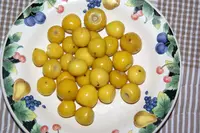
The yellow, cherry-sized fruits are drupes with a strong resinous aroma and sweet-acid pulp that is widely used in traditional drinks, desserts, and preserves across Mesoamerica and northern South America.

Botan icon

Did you know?

In parts of Central America, dense stands of this species are managed as semi-wild fruit orchards in pasture and savanna landscapes, providing both seasonal human food and an important wildlife resource for birds and small mammals that rely on its heavy fruiting during the dry season.

FAQs about maricao cimun

This species is highly attractive to bees, butterflies, and other nectar-feeding insects due to its fragrant, nectar-rich flowers. In warm regions, it can serve as an important pollinator resource and enhance overall garden biodiversity.

Grow Healthy Plants with Botan Care

Keep your plants happy and healthy with plant identification, disease detection, and easy care guidance.

Botan plant care app — identify plants on mobile

Explore More Plants