Root-zone mulching
Apply a 5–8 cm layer of coarse organic mulch around the dripline, keeping it 5–10 cm away from the trunk, to keep shallow feeder roots cool, moist, and protected from mechanical damage.

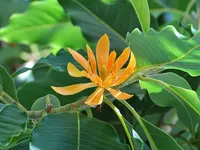
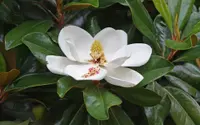
Champak, Magnolia champaca, is an evergreen flowering tree known for its highly fragrant yellow to orange blossoms. It is commonly grown in tropical and subtropical gardens. The tree has glossy green leaves, a dense crown, and produces waxy, narrow-petaled flowers used in perfumery and traditional ceremonies. In suitable climates it can reach substantial height and becomes a long-lived landscape feature. Magnolia champaca comes from South and Southeast Asia, where it thrives in warm, humid conditions. It prefers bright light, consistent moisture, and fertile, well-drained soil, which influences how to care for Champak in home gardens.

Care Difficulty
Moderate Care

Light Preference
Full Sun

Water Requirements
Regular Water

Temperature Preference
Tropical / Frost Sensitive

Hardiness Zone
10–11

Soil Texture
Loamy, Sandy, Organic-rich

Soil pH
Acidic (5.5–6.5), Slightly acidic (6.5–7.0)

Soil Drainage
Moist but well-drained

Fertilization
Light (every 4–6 weeks)
Scan your plant to receive care tips personalized for your specific plant
Available on iOS and Android
This tropical tree needs bright light with some protection from harsh midday sun.
Magnolia champaca prefers evenly moist, never soggy, soil once established.
This species thrives in warm, frost-free climates with only mild temperature swings.
This species prefers warm, moist air and reacts quickly to dry indoor conditions.
This tree prefers deep, moisture-retentive but free-draining, slightly acidic soil for strong growth.
This species can be grown in containers if the pot is large, stable, and drains very efficiently.
Magnolia champaca responds well to modest, targeted feeding during active growth.
Pruning helps maintain structure and flowering quality in Magnolia champaca without heavy intervention.
Transplanting is more common than repotting for Magnolia champaca, which is often grown as a landscape tree.
Magnolia champaca is usually propagated by seed or semi-hardwood cuttings but requires patience and controlled conditions.
This species is frost-sensitive and needs thoughtful winter care in cooler climates.

Plant Health Check
Not sure what's wrong with your plant? Check your plant's health inside the app.
The intensely sweet, floral scent of this species has been valued for centuries in South and Southeast Asia, where its flowers are still used for temple offerings, garlands, and traditional perfumery.
Its flowers typically release the strongest fragrance from late afternoon into the night, an adaptation that attracts nocturnal pollinators such as certain beetles and night-flying insects.
Unlike many temperate magnolias, this species remains evergreen in tropical and subtropical climates, holding its glossy leaves year-round and providing continuous canopy cover.

This species has played a documented role in the history of modern perfumery, with its absolute (a concentrated aromatic extract) used as a high-value floral note in fine fragrances produced in Europe and Asia since at least the early 20th century.
Lack of blooms usually comes from insufficient light, immature age, or heavy pruning at the wrong time. Poor nutrition or root restriction can also reduce flowering. Consistent warmth, balanced fertilizer, and avoiding hard pruning of flowering wood help.
Keep your plants happy and healthy with plant identification, disease detection, and easy care guidance.