Protective trunk mulching
Maintain a 5–8 cm ring of coarse organic mulch around the base, keeping it 10–15 cm away from the trunk to reduce soil temperature swings and protect the shallow roots from mechanical damage by tools or mowers.

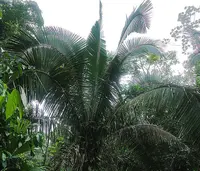
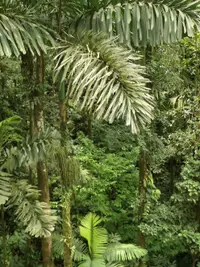
The American oil palm, Attalea butyracea, is a large feather-leaved palm tree native to tropical Central and South America. It often forms a single tall trunk with a wide crown of long, arching fronds.
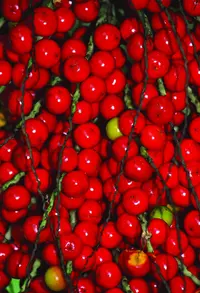
In the wild it grows in warm, humid lowlands, riverbanks, and disturbed areas, where it can reach impressive heights and produce heavy clusters of oil-rich fruits. It is robust in suitable climates but challenging in cooler or dry regions, which affects how to care for American oil palm in home gardens or collections.
This species prefers consistently warm temperatures, high humidity, bright light, and evenly moist, well-drained soil with good organic matter content.

Care Difficulty
Moderate Care

Light Preference
Full Sun

Water Requirements
Regular Water

Temperature Preference
Tropical / Frost Sensitive

Hardiness Zone
10–12

Soil Texture
Sandy, Loamy, Organic-rich

Soil pH
Acidic (5.5–6.5), Slightly acidic (6.5–7.0)

Soil Drainage
Moist but well-drained

Fertilization
Minimal (feed rarely)
Scan your plant to receive care tips personalized for your specific plant
Available on iOS and Android
This large tropical palm needs strong light and warmth to form a full, balanced crown.
This moisture‑loving palm prefers consistently damp but not stagnant soil around its root zone.
This tropical palm thrives in warm, stable conditions and declines quickly in cold or frost.
This large palm prefers moderately humid air but survives short dry spells if soil moisture is stable.
Attalea butyracea grows best in deep, moist, well-aerated soil that drains freely yet does not dry out rapidly.
This species can be grown in large containers only when young due to its eventual size and strong root system.
This palm benefits from light, consistent feeding in cultivation, especially in containers.
Pruning is mainly hygienic for this palm and focuses on removing unhealthy or hazardous fronds.
This large palm is usually grown in the ground, so care centers on careful transplanting rather than frequent repotting.
Propagation of this palm is almost entirely from seed and requires patience and warm, stable conditions.
This tropical palm is not frost hardy and needs protection in regions with cool or freezing winters.

Plant Health Check
Not sure what's wrong with your plant? Check your plant's health inside the app.
The fleshy fruits of this palm are a key food for tapirs, peccaries, rodents, and many bird species in its native range, and these animals help disperse the large seeds across the forest.
Studies in Neotropical forests show that its inflorescences attract both insects and nectar-feeding bats, so pollen transfer can involve multiple animal groups rather than just a single pollinator type.
This species can form very tall, solitary trunks that reach the upper forest canopy, where the broad, arching leaves strongly influence local light conditions and microclimate beneath the crown.

Archaeological and ethnobotanical research in northern South America has documented that human groups have managed and encouraged this palm around settlements for centuries, so in many present-day populations the distribution pattern still reflects a long history of traditional use and semi-domestication.
Growth is moderately fast in true tropical conditions, often 30–90 cm per year when young. It commonly takes 8–12 years to develop a substantial trunk and heavy crown suitable for shade or production plantings.
Keep your plants happy and healthy with plant identification, disease detection, and easy care guidance.