Succession Sowing
Sow small batches every 1–2 weeks from late summer into fall so plants mature in cool weather and you always have young, tender leaves to harvest.

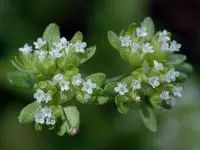
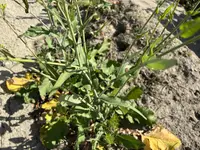
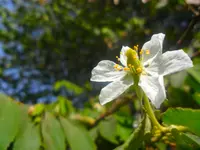
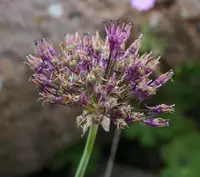
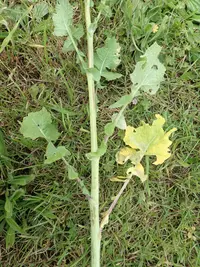
Mâche, also called lamb’s lettuce or corn salad, is a small cool-season leafy vegetable grown for its tender, mild-flavored rosettes. The plant forms low, rounded clusters of soft, spoon-shaped leaves with a fresh, nutty taste. Valeriana locusta is native to Europe and western Asia but is now cultivated in many temperate regions as a salad green. It tolerates cool weather and light frosts, which makes it suitable for early spring and fall production. The plant grows best in evenly moist, well-drained soil and prefers cool, mild light conditions. These traits make it relatively easy to care for mâche in home gardens and small containers.

Care Difficulty
Easy Care

Light Preference
Full Sun

Water Requirements
Regular Water

Temperature Preference
Cool Climate

Hardiness Zone
5–9

Soil Texture
Loamy, Silty, Organic-rich

Soil pH
Acidic (5.5–6.5), Slightly acidic (6.5–7.0)

Soil Drainage
Moist but well-drained

Fertilization
Light (every 4–6 weeks)
Scan your plant to receive care tips personalized for your specific plant
Available on iOS and Android
Valeriana locusta prefers cool, bright conditions with protection from strong midday sun.
Valeriana locusta prefers consistently moist, cool soil without staying waterlogged.
This cool-season salad green thrives in mild temperatures and declines in sustained heat.
Humidity is rarely limiting for mâche, which thrives in the same 40–60% range as most outdoor and indoor environments.
Valeriana locusta prefers loose, moisture-retentive yet free-draining soil for steady, tender leaf growth.
This species suits container growing for small-space harvesting.
Valeriana locusta is a quick-growing salad green that needs only light feeding in average garden soil.
Valeriana locusta needs only light pruning, mainly to maintain leaf quality and limit self-seeding.
Mâche is usually grown as a short-season crop, so it is transplanted rather than repeatedly repotted.
Valeriana locusta is most commonly propagated from seed for fast, uniform crops.
Valeriana locusta is quite cold hardy and often overwinters outdoors in many temperate climates with minimal care.

Plant Health Check
Not sure what's wrong with your plant? Check your plant's health inside the app.
This species is a true cool-season annual that germinates and grows best in mild conditions and can tolerate light frosts, which is why it is traditionally one of the earliest leafy crops sown in late winter in temperate Europe.
The small spoon-shaped leaves are unusually rich in provitamin A carotenoids, vitamin C, and folate compared with many common salad greens, which has contributed to its long use as a winter salad plant in Europe.
In suitable climates, it can self-seed and form low, dense rosettes that act as a living mulch in winter vegetable beds, shading soil, reducing weed growth, and helping to protect the surface from erosion.

Archaeobotanical evidence from seed remains indicates that this species has been gathered and cultivated as a salad plant in Europe since at least the Middle Ages, making it one of the oldest continuously used leafy vegetables in European cuisine.
This leafy rosette is fully edible and grown mainly as a salad green. Leaves are tender, mild, and slightly nutty. Harvest young outer leaves or whole heads before flowering for the best texture and flavor.
Keep your plants happy and healthy with plant identification, disease detection, and easy care guidance.