Field Mustard Care (Brassica rapa subsp. narinosa)

Also known as: Bargeman'S Cabbage, Bird'S Rape, Birdsrape Mustard, Colbaga, Rape, Rape Mustard, Turnip, Turnip Rape, Tyfon, Wild Mustard, Wild Rutabaga, Wild Turnip
Field Mustard

About Field Mustard

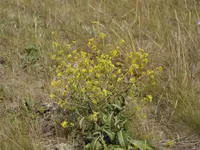
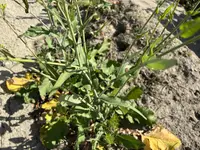
Field mustard, Brassica rapa subsp. narinosa, is a fast-growing annual leafy brassica valued for its tender, mildly peppery foliage. It forms low rosettes of spoon-shaped leaves and can send up slender flowering stems with small yellow blossoms if allowed to mature.

This plant originates from temperate regions of Asia and is now widely grown in vegetable gardens and small farms. It is generally easy to manage, germinates quickly, and tolerates cool weather well.

Gardeners who learn how to care for Field Mustard appreciate its adaptability to different garden soils, provided they are not waterlogged. It prefers consistent moisture, good drainage, and open, sunny positions for best growth.

Main Plant Requirements

Care Difficulty

Easy Care

Light Preference

Full Sun

Water Requirements

Regular Water

Temperature Preference

Cool Climate

Hardiness Zone

2–11

Soil Texture

Loamy, Sandy, Organic-rich

Soil pH

Acidic (5.5–6.5), Slightly acidic (6.5–7.0)

Soil Drainage

Moist but well-drained

Fertilization

Moderate (every 2–4 weeks)

Get Personalized Care Plan

Scan your plant to receive care tips personalized for your specific plant

Available on iOS and Android

How to Care for the Field Mustard

Brassica rapa subsp. narinosa grows best with cool-season, high-light conditions in open beds or rows.

  • Provide 6–8 hours of direct sun daily, ideally with gentle morning sun and light afternoon shade in hotter regions to reduce leaf scorch.
  • Tolerates partial shade (3–4 hours sun) but growth slows and leaves may become thinner and more elongated under low light.
  • In late spring and summer, protect from harsh afternoon sun with shade cloth or taller crops nearby to limit stress and premature bolting when caring for Field Mustard.

Brassica rapa subsp. narinosa prefers consistently moist, well-drained soil without long dry or soggy periods.

  • Water when the top 2–3 cm of soil feels dry, aiming for even moisture around the root zone rather than shallow, frequent splashes.
  • Use loose, well-draining soil or raised beds so excess water drains away; yellowing, limp lower leaves often indicate overwatering and poor aeration.
  • In cooler months, reduce watering frequency, while in hot, windy weather watch for wilting or dry, crisp leaf edges as signs the plant needs deeper irrigation.

This cool-season vegetable performs best in mild temperatures and declines in extreme heat or hard frost.

  • Optimal growth occurs around 55–70°F (13–21°C), which supports tender leaves and slows premature flowering.
  • Plants tolerate brief dips to about 28–30°F (-2 to -1°C) with light frost, but repeated hard freezes can damage growing tips and reduce yield.
  • Above 80–85°F (27–29°C), stress increases, leaves may toughen, and bolting speeds up, so consider earlier sowing dates or light shade in warm climates.

This leafy mustard tolerates a wide humidity range and does not need special humidity control.

This plant prefers loose, moist, well-drained soil that supports quick growth and shallow roots.

  • Use a loamy mix with 30–50% mature compost blended into garden soil for nutrient-rich structure.
  • Aim for slightly acidic to neutral pH around 6.0–7.0 to support nutrient uptake and leaf production.
  • Improve drainage and aeration by loosening heavy soil with coarse sand or fine gravel, especially in wet climates.
  • Avoid compacted, waterlogged, or very sandy soil, which leads to weak growth and reduced yields in Brassica rapa subsp. narinosa.

This species grows well in containers when given enough root space and fast drainage.

  • Choose a container at least 15–20 cm deep so the shallow root system can spread laterally without crowding.
  • Use a sturdy, wider-than-deep pot to stabilize the leafy canopy and reduce the risk of tipping in wind.
  • Select a pot material that moderates moisture, such as thick plastic or glazed clay, to slow rapid drying in full sun.

Brassica rapa subsp. narinosa is a fast-growing leafy crop that benefits from modest, consistent nutrition for tender foliage.

  • Before planting, mix compost or well-rotted manure into the top 10–15 cm of soil to build a steady nutrient base.
  • Use a balanced NPK fertilizer (such as 10-10-10) at half strength every 2–3 weeks during active growth.
  • Water before and after feeding to reduce root burn and help nutrients move into the root zone.
  • In winter or during hot-weather slowdown, reduce feeding to once a month or stop if growth is minimal, as caring for Field Mustard in poor light requires less fertilizer.

Pruning Brassica rapa subsp. narinosa focuses on clean harvesting and removing weak tissue rather than shaping a permanent plant.

  • Harvest outer leaves or entire rosettes with clean scissors or a sharp knife, cutting just above the crown to encourage regrowth.
  • Remove yellowing, damaged, or pest-affected leaves promptly to limit disease spread and keep air flowing around plants.
  • Thin crowded seedlings to the recommended spacing so remaining plants develop larger, healthier heads.
  • Disinfect cutting tools if disease is present to avoid transferring pathogens between plants.

This leafy brassica is usually grown as a short-season crop and is more often transplanted from seedlings than repeatedly repotted.

  • Start seeds in small cells or trays; transplant when seedlings have 2–3 true leaves and roots just hold the plug together.
  • Move plants to the garden or a larger container in cool weather, avoiding very hot periods to limit transplant shock.
  • Transplant at the same soil depth as in the nursery cell, firm soil gently around roots, and water thoroughly to settle soil.
  • Shade lightly and keep soil evenly moist for 3–5 days after transplanting to reduce wilting and root stress.

Brassica rapa subsp. narinosa is most efficiently propagated by seeds rather than vegetative methods.

  • Sow seeds in early spring or late summer for cool-season growth, indoors in trays or directly outdoors in prepared beds.
  • Provide loose, well-drained soil and consistent moisture; seeds usually germinate well at 60–75°F with shallow sowing (about 0.5 cm).
  • Thin seedlings to proper spacing once they have 2 true leaves, using thinned plants as microgreens if desired.
  • For successive harvests, repeat sowings every 2–3 weeks, following the same spacing and moisture conditions.

This cool-season annual tolerates light frost but may be damaged by hard freezes, so some winter attention can extend harvests.

  • In ground, apply a light mulch around plants to moderate soil temperature while keeping crowns uncovered.
  • Use row covers or low tunnels during nights below about 28°F to reduce leaf damage and maintain growth.
  • In very cold regions, grow Brassica rapa subsp. narinosa in containers that can be moved into an unheated greenhouse or bright, frost-free space.

Care Tips

Staggered Succession Sowing

Sow small batches every 10–14 days rather than one large sowing to keep leaves tender and avoid a sudden flush of oversized, tough plants.

Preemptive Flea Beetle Protection

Lay lightweight insect netting or row cover over the bed immediately after sowing and seal the edges with soil to prevent flea beetle damage on emerging seedlings.

Dense Baby-Leaf Harvesting

Broadcast seed more thickly in a designated bed or tray and harvest at 7–10 cm height by cutting just above the crown to obtain repeated baby-leaf harvests from the same plants.

Bolting Control Strategy

As flower stalks appear, harvest whole plants in the coolest part of the day and replant a fresh batch in slightly shadier or cooler conditions to slow bolting in warm weather.

Clean, Quick Post-Harvest Handling

Rinse harvested leaves promptly in cool, clean water, spin or pat them dry, and refrigerate in a breathable container to maintain texture and flavor when growing Field Mustard for frequent kitchen use.

Common Pests and Diseases

Flea beetles

This pest causes many tiny round holes in leaves, giving a shot-hole or lace-like appearance, and can severely stunt young plants.

Solution

Use fine insect netting from sowing to protect seedlings, remove nearby brassica weeds that host the beetles, and apply a spinosad or pyrethrin-based spray in the evening if damage is heavy, following label directions. Keeping plants well watered and growing quickly helps them outgrow moderate feeding when growing Field Mustard outdoors or in raised beds.

Cabbage aphids

These insects form dense gray-green colonies on young leaves and stems, often covered with a waxy coating, leading to curled, sticky, and distorted foliage.

Solution

Spray plants with a firm stream of water to dislodge colonies, then use insecticidal soap or neem oil to cover leaf undersides and growing tips, repeating every 5–7 days until populations collapse. Remove heavily infested leaves and encourage natural predators like lady beetles by avoiding broad-spectrum insecticides nearby.

Downy mildew

This disease produces yellow to pale patches on upper leaf surfaces and a white to grayish-purple fuzzy growth on the undersides, especially in cool, humid conditions.

Solution

Increase spacing and airflow, avoid overhead watering in the late afternoon or evening, and remove and destroy infected leaves promptly. In areas with recurring problems, rotate crops out of brassicas for at least 2–3 years and consider using a copper-based fungicide preventively during cool, wet periods.

Black rot

This disease causes yellow, V-shaped lesions starting at leaf edges with darkened veins, and can lead to widespread wilting and plant decline.

Solution

Start with certified clean seed, avoid overhead irrigation where possible, and remove and discard any symptomatic plants to reduce spread. Practice strict crop rotation away from brassicas for 3+ years and disinfect tools that contact infected plants to limit bacterial movement.

Clubroot

Symptoms include stunted growth, wilting in warm weather, and severely swollen, club-like roots that interfere with water and nutrient uptake.

Solution

Remove and destroy affected plants including as much root as possible, and avoid replanting any brassicas in the same soil for several years. Improve soil drainage, raise soil pH toward 7.2 with agricultural lime, and grow Brassica rapa subsp. narinosa in clean containers or raised beds if the garden soil is infested.

Interesting Facts

East Asian leafy landrace

This mustard green is an old East Asian landrace selected specifically for tender, spoon-shaped leaves and mild flavor, distinguishing it from other Brassica rapa vegetables that were bred mainly for roots or swollen stems.

Dual harvest growth

The plant can be cut above the crown to harvest leaves and will often regrow a second usable flush from the remaining rosette, a trait favored in small-scale and home food production.

Cold-tolerant rosettes

Its low, compact rosette growth and relatively high cold tolerance allow outdoor cultivation into cooler seasons compared with many other leafy greens, extending the fresh harvest window in temperate climates.

Botan icon

Did you know?

In East Asian cuisine, this mustard green is valued not only fresh but also as a traditional pickling vegetable, since its leaf texture and mild mustard flavor hold up well to fermentation and brining processes without breaking down quickly.

FAQs about Field Mustard

All above-ground parts are edible. Young leaves are used as leafy greens, stems as tender shoots, and flower buds similarly to broccoli rabe. Flavor ranges from mild to slightly pungent, strongest in older leaves and flowering plants.

Grow Healthy Plants with Botan Care

Keep your plants happy and healthy with plant identification, disease detection, and easy care guidance.


Botan plant care app — identify plants on mobile

Explore More Plants