Brassica incana Care

About Brassica incana

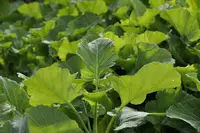
Brassica incana is a perennial wild cabbage species from rocky coastal areas of southern Europe. It forms loose rosettes with bluish to gray-green, often waxy leaves.

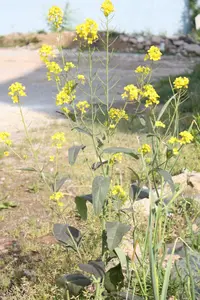
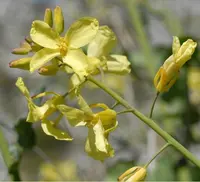
Plants usually grow in clumps on cliffs or stony slopes, with a somewhat sprawling habit. In season, it produces tall stems with small, pale yellow flowers.

This species evolved for windy, exposed sites, so it tends to be resilient to sun, salt spray, and poor, well-drained soils. Basic knowledge of how to care for Brassica incana helps match its natural preference for bright light and moderate moisture, which keeps growth compact and healthy.

Main Plant Requirements

Care Difficulty

Moderate Care

Light Preference

Full Sun

Water Requirements

Moderate Water

Temperature Preference

Cool Climate

Hardiness Zone

6–9

Soil Texture

Sandy, Loamy, Rocky

Soil pH

Slightly acidic (6.5–7.0), Slightly alkaline (7.0–7.5)

Soil Drainage

Well-drained

Fertilization

Light (every 4–6 weeks)

Get Personalized Care Plan

Scan your plant to receive care tips personalized for your specific plant

Available on iOS and Android

How to Care for the Brassica incana

This coastal species prefers bright, open conditions with plenty of direct sun.

  • Provide 6–8 hours of direct sun daily; full sun is ideal in cool to mild climates where Brassica incana is typically grown outdoors.
  • In hotter inland areas, give full morning sun with light afternoon shade to reduce leaf scorch and stress during intense sun.
  • Plants tolerate light partial shade (3–4 hours direct sun), but stems become looser and flowering decreases under prolonged shade.

This plant prefers evenly moist but not saturated soil with good drainage.

  • Water when the top 3–5 cm of soil feels dry, focusing on deeper, less frequent soakings that moisten the root zone instead of shallow splashes.
  • Ensure sharply draining soil or a free-draining bed; standing water or clogged clay soil encourages root rot and yellowing leaves.
  • Reduce watering in cool, wet seasons; underwatering shows as limp, dull foliage, while overwatering leads to soft, pale leaves and possible stem collapse.

This species prefers cool, temperate conditions and dislikes extreme heat or hard freezes.

  • Optimal growth occurs around 50–70°F (10–21°C), which supports compact foliage and steady flowering through the cooler months.
  • Plants tolerate light frost down to about 25°F (-4°C) for short periods, but prolonged freezing below this can damage or kill top growth.
  • In hot weather above 80–85°F (27–29°C), growth can slow or stall, so use mulch and airflow to keep roots cooler and reduce heat stress.

This coastal species tolerates a wide humidity range and rarely needs special humidity control.

  • Performs well at 30–60% relative humidity, similar to most indoor and outdoor conditions in temperate regions.
  • Handles dry indoor air without issue, provided soil moisture is kept consistent and roots do not dry completely.
  • Humidity stress shows mainly as limp, prematurely yellowing leaves from combined dryness; address by watering properly rather than misting.

Brassica incana prefers mineral, well-aerated soil that drains quickly yet retains moderate moisture.

  • Use a sandy or loamy structure with 30–50% sharp sand or grit to mimic its rocky, coastal habitat and prevent waterlogging.
  • Aim for slightly alkaline to neutral pH around 7.0–8.0, avoiding very acidic mixes that can limit nutrient availability.
  • Blend garden loam with coarse sand and a modest amount of compost, keeping organic matter low to moderate to avoid overly rich, wet conditions.
  • Improve aeration and drainage by avoiding dense clay, peat-heavy mixes, or compacted beds, which increase root rot risk.

This species is suitable for container growing, especially in exposed or rocky sites where garden soil is poor.

  • Select a wide, heavy container to stabilize the plant against wind and prevent tipping in shallow root systems.
  • Fill the pot with a gritty mix and keep the surface slightly sloped toward the rim so excess water runs off quickly.
  • Raise the container on feet or bricks to keep drainage holes clear and reduce the chance of roots sitting in collected runoff water.

This coastal brassica benefits from modest feeding to support compact, healthy growth in poor soils.

  • Use a balanced NPK fertilizer (for example 10-10-10) or well-rotted compost on established plants.
  • Feed lightly every 4–6 weeks during active growth in spring and early summer.
  • Apply at half the label strength to avoid soft, weak growth and salt buildup.
  • Stop feeding Brassica incana by late summer and do not fertilize in winter dormancy.

Light pruning helps maintain shape and vigor without disturbing the natural form of Brassica incana.

  • Carry out main pruning in late winter or very early spring before strong new growth starts.
  • Remove dead, diseased, or storm-damaged stems first using clean, sharp hand pruners.
  • Thin crowded interior shoots to improve airflow and reduce fungal problems.
  • Shorten excessively long stems slightly to maintain a compact outline without cutting into old, woody bases.

This species is usually grown in open ground, so focus on careful transplanting rather than frequent repotting.

  • Transplant seedlings or young plants in spring once the soil is workable and not waterlogged.
  • Move plants if growth is stunted, roots circle the pot, or soil dries out very quickly.
  • Lift with a generous root ball, disturb roots as little as possible, and replant at the same depth.
  • Water thoroughly after planting, then keep soil evenly moist but not saturated until new growth confirms recovery.

New plants are most often raised from seed, making propagation of Brassica incana straightforward for most gardeners.

  • Sow fresh seed in late winter to early spring under cover or in a sheltered cold frame.
  • Use a free-draining, low-nutrient seed mix and keep it just moist at 60–70°F for germination.
  • Cover seed very lightly or not at all, since many brassicas germinate best with light exposure.
  • Prick out seedlings once true leaves appear, handling by the leaves and hardening off before outdoor planting.

Established plants have good cold tolerance and usually need only minimal winter care in mild to moderate climates.

  • Brassica incana tolerates light to moderate frost but may suffer in prolonged freezes below its hardiness range.
  • Apply a 3–5 cm mulch around, but not against, stems to buffer root temperature and soil moisture.
  • On exposed sites, use windbreaks or breathable fleece during severe cold snaps, especially for young plants.
  • Move container-grown plants into a sheltered, unheated but frost-sheltered spot if winters are harsh.

Care Tips

Staggered Succession Sowing

For ornamental or edible use, sow small batches 10–14 days apart in late summer to secure a longer display period and reduce the impact if one sowing is damaged by pests or weather.

Wind-Hardening Young Plants

If planting in a breezy coastal site, gradually expose seedlings to wind over 7–10 days by placing trays outdoors for increasing periods so stems thicken and resist lodging once transplanted.

Low Support Netting

On exposed or very loose soils, lay a mesh or pea net 10–15 cm above the bed on short stakes so stems can grow through it and gain discreet support against wind rock without tying individual plants.

Targeted Caterpillar Control

Inspect leaf undersides at least twice weekly and remove eggs and small caterpillars by hand, or use fine insect mesh over hoops from transplanting to flowering to block cabbage white butterflies while still allowing air flow.

Cold-Season Root Protection

In climates with freeze–thaw cycles, apply a 2–3 cm layer of grit or coarse sand around the crown in autumn to improve drainage at the collar and stabilize soil temperature, which supports overwinter survival when growing Brassica incana.

Common Pests and Diseases

Cabbage aphids

This pest forms dense, gray-green colonies on young shoots, leaf undersides, and flower stems, sucking sap and contaminating tissues with honeydew. Symptoms include curling leaves, distorted growth, and sticky surfaces that may develop black sooty mold.

Solution

Spray colonies off with a strong jet of water, then treat remaining clusters with insecticidal soap or a light horticultural oil, coating leaf undersides thoroughly. Remove heavily infested shoots and encourage natural predators such as lady beetles by avoiding broad-spectrum insecticides when growing Brassica incana in mixed plantings.

Flea beetles

These insects chew many tiny round holes in leaves, giving foliage a shot-hole or lace-like appearance, especially on young plants. Damage reduces photosynthesis and can stunt growth in stressed or newly planted specimens.

Solution

Use floating row covers to protect young plants, and reduce nearby weeds from the Brassicaceae family that host the beetles. In outdoor beds, apply a thin layer of fine mulch around plants and, if needed, use a spinosad-based product targeted to feeding periods, following label directions carefully.

Downy mildew

This disease causes yellow or pale angular patches on upper leaf surfaces with gray-white, downy fungal growth beneath, often in cool, humid weather. Severe infections lead to leaf drop and weakened plants.

Solution

Improve air circulation by increasing spacing and avoiding overhead watering, especially late in the day. Remove and destroy infected leaves, and in recurrent cases use a copper-based or phosphorus acid fungicide labeled for brassicas, rotating products to reduce resistance risk.

White blister

This disease produces raised white pustules on leaf undersides and sometimes on stems and flower parts, often accompanied by pale, distorted areas on upper surfaces. Infected tissues may become thickened and malformed, reducing ornamental quality and vigor.

Solution

Promptly remove and discard infected leaves and plant debris to limit spore spread. Maintain good drainage and air movement, avoid prolonged leaf wetness, and rotate planting locations of Brassica species for several years if the problem recurs in garden beds.

Clubroot

This disease causes swollen, distorted roots that restrict water and nutrient uptake, leading to wilting in warm weather, stunted growth, and yellowing leaves. Symptoms include plants that fail to thrive despite adequate water and nutrients, especially in acidic, wet soils.

Solution

Discard severely affected plants including roots and do not compost them, then raise soil pH to about 7.0–7.2 with agricultural lime to suppress the pathogen. Improve drainage, avoid moving contaminated soil on tools or shoes, and rotate away from all brassicas for at least 4–6 years in infested beds as part of long-term Brassica incana care.

Interesting Facts

Narrow Italian endemic

This species is naturally restricted to coastal limestone cliffs in southern Italy, especially along the Tyrrhenian coast, where it forms small, often isolated populations adapted to highly calcareous, rocky substrates.

Salt-tolerant cliff dweller

Plants tolerate sea spray and shallow, alkaline soils, allowing them to colonize exposed maritime cliffs where many other brassicas cannot establish or persist.

Distinct silvery foliage

The leaves have a characteristic bluish to gray-green, often glaucous surface produced by a waxy coating, which helps reduce water loss and reflects intense coastal sunlight.

Botan icon

Did you know?

Brassica incana has been studied as part of wild Brassica oleracea relatives in the Mediterranean region, and its genetic diversity and isolation on scattered cliff habitats provide useful insights for understanding crop evolution and for conserving wild gene pools related to cultivated cabbages and kales.

FAQs about Brassica incana

This coastal wild cabbage is edible, though usually more bitter and fibrous than cultivated cabbages. Young leaves and tender shoots are sometimes used cooked. Always harvest from clean, uncontaminated sites and avoid roadside or polluted locations.

Grow Healthy Plants with Botan Care

Keep your plants happy and healthy with plant identification, disease detection, and easy care guidance.

Botan plant care app — identify plants on mobile

Explore More Plants