rivet wheat Care (Triticum turgidum)

rivet wheat

About rivet wheat

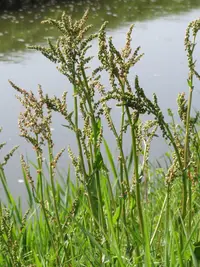
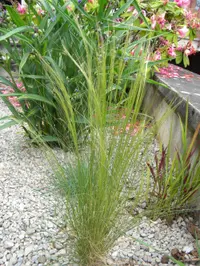
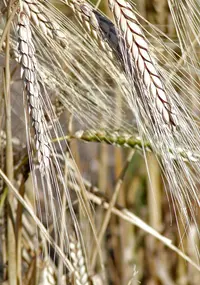
Rivet wheat, Triticum turgidum, is a cool-season cereal grass grown mainly for grain. It forms upright clumps of hollow stems topped with dense, elongated seed heads. Plants have narrow, bluish-green leaves and a sturdy, somewhat coarse appearance compared with common bread wheat. Rivet wheat originated in the Mediterranean region and is now cultivated in scattered areas with dry, mild climates.

This species is relatively resilient and tolerates poorer soils and lower rainfall better than many other wheats, which can make it easier for growers in marginal conditions. It prefers full sun, well-drained soil, and moderate moisture. Basic knowledge of how to care for rivet wheat helps maintain healthy stands and consistent yields.

Main Plant Requirements

Care Difficulty

Moderate Care

Light Preference

Full Sun

Water Requirements

Regular Water

Temperature Preference

Cool Climate

Hardiness Zone

6–9

Soil Texture

Sandy, Loamy, Silty

Soil pH

Slightly acidic (6.5–7.0), Slightly alkaline (7.0–7.5)

Soil Drainage

Well-drained

Fertilization

Minimal (feed rarely)

Get Personalized Care Plan

Scan your plant to receive care tips personalized for your specific plant

Available on iOS and Android

How to Care for the rivet wheat

This durum wheat species needs strong, consistent sun to produce healthy growth and grain.

  • Provide 6–8 hours of direct sun daily; full sun exposure suits field-grown plants best in most regions.
  • Rivet wheat tolerates light afternoon shade in very hot climates, but persistent shade below 4–5 sun hours reduces tillering and yield.
  • In spring, ensure seedlings are not shaded by weeds; in midsummer, avoid intense reflected heat from bare, dry soil that can scorch young leaves.

Triticum turgidum prefers evenly moist but not saturated soil, especially during early growth and grain filling.

  • Irrigate only when the top 5–8 cm of field soil feels dry and crumbly, focusing on critical stages like tillering and heading.
  • Use well-drained, loamy soil; standing water for more than 24 hours or foul smell indicates poor drainage and high root-rot risk.
  • Wilting at midday that persists into evening signals water stress, while yellowing lower leaves with soft, lodged stems suggest chronic overwatering.

This wheat species grows best in cool to warm conditions and tolerates moderate cold.

  • Optimal active growth occurs around 60–75°F (16–24°C), with strong establishment in cool spring or fall conditions.
  • Young plants usually survive down to about 20–25°F (-6 to -4°C) once hardened, but repeated hard frosts can damage leaves and reduce stand density.
  • During grain filling, temperatures above 90°F (32°C) for many days shorten the filling period, so aim for sowing dates that avoid peak summer heat when possible.

Humidity is rarely critical for Triticum turgidum, which adapts well to typical outdoor air levels.

  • Performs reliably in 30–60% humidity without special measures.
  • Tolerates dry air, though prolonged hot, very dry winds can increase leaf tip browning and water loss.
  • If grown in very dry, hot sites, reduce stress by mulching soil and watering at the root zone rather than misting rivet wheat.

Triticum turgidum prefers moderately fertile, well-structured mineral soil with free drainage.

  • Use a loamy or loam-sandy soil that holds moisture but does not stay waterlogged.
  • Aim for a slightly acidic to neutral pH around 6.0–7.5 for reliable nutrient uptake.
  • In containers or small beds, blend field soil or sand with compost to improve structure and moderate nutrient release.
  • Avoid heavy, compacted clay or low-lying spots; improve aeration and drainage with coarse sand or fine gravel if water lingers.

This species can be grown in containers for small-scale or educational purposes, though it is less efficient than field planting.

  • Choose a deep, narrow container at least 25–30 cm tall to support the fibrous root system and upright stems.
  • Use a relatively heavy pot material or add weight at the base to prevent tall plants from tipping in wind.
  • Ensure large, unobstructed drainage holes and keep the container slightly raised so excess water clears quickly after rain or irrigation.

Triticum turgidum benefits from moderate nutrition tailored to its growth stage for healthy foliage and grain production.

  • Use a balanced NPK granular fertilizer or well-aged compost incorporated into the topsoil before sowing or early in the season when growing rivet wheat.
  • Apply main doses during active spring growth, then a lighter top-dress at stem elongation if soil tests indicate low nitrogen.
  • Reduce or stop feeding after flowering as plants approach maturity, since excess nitrogen can cause lodging and weaker stems.
  • On containers, use a diluted balanced liquid feed at 1/2 strength every 3–4 weeks during active growth only.

Pruning needs for Triticum turgidum are minimal and focus on hygiene rather than shaping.

  • During the growing season, remove only clearly diseased, moldy, or badly damaged leaves and tillers to limit fungal spread.
  • Use clean, sharp scissors or pruning snips, disinfected with alcohol, to avoid introducing pathogens into wounded tissue.
  • After harvest, cut stems close to ground level to clear the site, then remove and dispose of crop residues away from next year’s planting area.
  • Avoid heavy midseason cutting of green stems, since it reduces grain yield and weakens plant stands.

This species is usually field grown, so care focuses on careful transplanting of seedlings rather than frequent repotting.

  • Start seeds densely in trays, then transplant when seedlings have 2–3 true leaves and roots hold the plug together but are not circling.
  • Move seedlings outdoors in early to mid spring once soil is workable and risk of hard frost is low, spacing plants for good airflow.
  • Handle root plugs gently, keeping root balls intact, and water immediately after transplanting to settle soil around roots and reduce shock.
  • Container-grown plants rarely need larger pots because Triticum turgidum is typically grown as a short-term annual crop and removed after harvest.

Triticum turgidum is propagated almost exclusively by seed, making reproduction straightforward for home and field growers.

  • Sow viable seed in late winter to mid spring, depending on local climate and whether using indoor trays or direct outdoor sowing.
  • Provide full light, evenly moist but not waterlogged soil, and good airflow to support rapid, uniform germination and seedling growth.
  • Cover seeds lightly with 0.5–1 cm of fine soil or substrate, then firm gently to maintain seed-to-soil contact.
  • For saved seed, dry and store in a cool, low-humidity place, labeling by variety and harvest year to maintain genetic quality.

Triticum turgidum is generally cold tolerant and, in most US climates, needs little targeted winter care once the crop is mature and harvested.

  • In regions with severe winters, plant winter forms early enough in fall to establish roots before sustained freezes.
  • Apply a thin mulch of clean straw on overwintering stands only where freeze–thaw cycles are strong, preventing heaving of young plants.
  • For late-season container plantings, move pots to a cold but frost-sheltered spot to reduce root-zone temperature extremes.

Care Tips

Timely lodging control

In exposed or windy sites, install low, wide pea netting or 30–40 cm high twine grids before stems elongate so the maturing plants lean on this support rather than snapping or lodging close to harvest.

Disease rotation planning

Avoid planting rivet wheat on ground that has grown wheat, barley, or other cereals in the past 2–3 years, and instead rotate with legumes or brassicas to reduce carryover of rusts, mildews, and root diseases.

Targeted rust scouting

From stem extension onward, check the lower leaves weekly for small orange or brown pustules and, if found, remove heavily infected leaves and improve air movement through narrower, well‑defined rows.

Seed density adjustment

Sow more thinly than modern bread wheat, aiming for a lower plant population, so individual plants have enough space to tiller strongly and produce large, well-filled ears.

Staggered harvest timing

Walk the crop and mark any obviously later or weaker patches, then plan to harvest these slightly later than the main stand so each area is cut at optimal grain hardness and moisture rather than using a single harvest date for all plants when growing rivet wheat.

Common Pests and Diseases

Fusarium head blight

This disease causes bleaching of individual spikelets or whole heads, often with shriveled, pale grains and possible pinkish or salmon fungal growth on the spikelets. Symptoms include reduced grain fill and contamination of kernels with mycotoxins that lower grain quality.

Solution

Plant resistant or tolerant durum wheat varieties when available, use clean seed, and avoid planting durum after corn or small grains that can harbor Fusarium. Reduce crop residue on the soil surface, use balanced nitrogen fertilization, and in larger field settings apply a triazole fungicide at early flowering when local disease risk forecasts indicate high pressure.

Leaf rust

This disease produces small, orange-brown pustules mainly on upper leaf surfaces, which can merge to form larger patches and cause premature leaf yellowing. Symptoms include reduced photosynthesis and yield loss if infection is severe and early.

Solution

Select rust-resistant durum wheat varieties and avoid volunteer wheat that can carry the fungus between seasons. In production settings, monitor fields regularly and apply a labeled systemic fungicide at early sign of infection or when regional rust alerts predict high risk, and avoid excessive nitrogen that can favor dense, rust-prone canopies.

Septoria leaf blotch

This disease causes elongated, tan to brown leaf lesions often with small black fruiting bodies, starting on lower leaves and progressing upward. Symptoms include early leaf death that reduces green leaf area and grain filling.

Solution

Use certified, disease-free seed and rotate out of small grains for at least 1–2 years to lower inoculum in residue. Manage dense canopies by avoiding unnecessary high seeding rates, and in field situations apply a protective or systemic fungicide at early stem elongation to flag-leaf stages when weather is cool and wet and lesions start to appear.

Hessian fly

This insect pest is a small fly whose larvae feed at the base of wheat stems, causing stunting, weakened plants, and lodging, with darkened, sometimes swollen lower stems. This pest can significantly reduce tiller number and grain yield, especially in fall-sown crops.

Solution

Plant Hessian fly–resistant durum varieties where available and avoid early planting, which allows the fly more generations on young plants. Destroy volunteer wheat and grassy hosts at least 2–3 weeks before planting to break the life cycle, and in larger operations consider regional planting date guidelines that are set to escape peak fly emergence rather than relying on insecticides.

Russian wheat aphid

These insects feed by sucking sap from leaves, causing rolled or tightly curled leaves, whitish or yellowish streaks, and stunted plants; heavy infestations can whiten whole patches of a field. This pest can reduce yield and quality by limiting photosynthesis and damaging developing heads.

Solution

Scout regularly for aphids, particularly in dry conditions, and encourage natural enemies such as lady beetles and parasitic wasps by minimizing broad-spectrum insecticide use. In fields, use tolerant durum cultivars, avoid excessive nitrogen that promotes lush growth attractive to aphids, and apply a selective systemic insecticide only when aphid densities exceed local economic thresholds as defined for growing rivet wheat in your region.

Interesting Facts

Primary durum wheat ancestor

This species is the main wild and domesticated ancestor of modern durum wheat, which is used to make pasta, couscous, and some traditional breads, and it shares the same tetraploid genome with 4 chromosome sets.

Unusual grain protein profile

Its grains typically have a hard texture and relatively high protein and gluten strength compared with many bread wheats, which makes them particularly suitable for pasta and semolina production rather than for soft baked goods.

Adaptation to dry climates

Many forms of this species are well adapted to hot, dry Mediterranean-type climates, with relatively deep root systems and growth timing that help escape the most intense summer drought.

Botan icon

Did you know?

Archaeobotanical remains show that early domesticated forms of this species were already cultivated in the Fertile Crescent several thousand years ago, making it one of the earliest founder crops of Old World agriculture and an important model for studying cereal domestication.

FAQs about rivet wheat

This wheat type is edible and mainly used for human food, especially pasta, bulgur, and some breads. Grains should be fully mature, dried, and clean. Raw green kernels are harder to digest and are usually heat-processed.

Grow Healthy Plants with Botan Care

Keep your plants happy and healthy with plant identification, disease detection, and easy care guidance.

Botan plant care app — identify plants on mobile

Explore More Plants