Protect serpentine soils
If the plant grows in naturally serpentine or rocky, metal-rich soil, avoid adding rich compost or topsoil, since this can favor competing weeds and reduce the grass’s natural advantage.

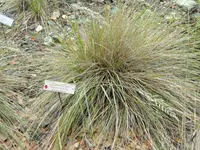
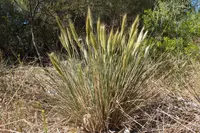
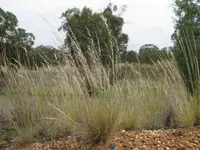
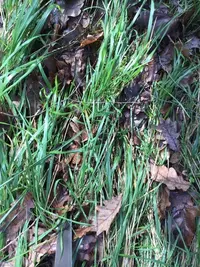
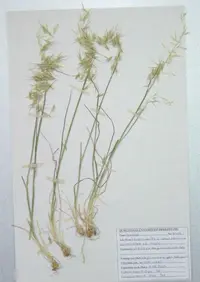
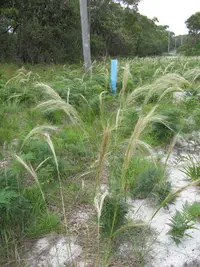
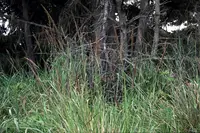
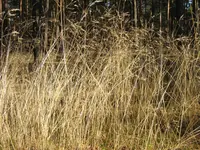
Serpentine reedgrass, Calamagrostis ophitidis, is a perennial clumping grass native to serpentine rocky slopes in parts of California. It forms upright, fine-textured tufts with narrow green leaves and airy flower heads.
This species is adapted to lean, mineral-rich soils and dry summer conditions, which makes it relatively forgiving once established. Its slow, compact growth habit suits naturalistic gardens and restoration plantings more than highly formal designs.
Gardeners who want to care for serpentine reedgrass should provide sun, well-drained soil, and avoid heavy fertilizing, which can weaken its naturally sturdy structure.

Care Difficulty
Moderate Care

Light Preference
Full Sun

Water Requirements
Moderate Water

Temperature Preference
Cool Climate

Hardiness Zone
8–9

Soil Texture
Sandy, Loamy, Rocky

Soil pH
Slightly acidic (6.5–7.0), Neutral (7.0)

Soil Drainage
Well-drained

Fertilization
Minimal (feed rarely)
Scan your plant to receive care tips personalized for your specific plant
Available on iOS and Android
This grass prefers full sun exposure to maintain dense, upright growth.
Water needs are moderate and depend strongly on soil drainage and local climate.
This species is adapted to temperate climates with cool, moist winters and warm, dry summers.
This grass thrives in typical outdoor humidity and rarely needs special humidity management.
This species prefers mineral, sharply drained soil that mimics serpentine slopes.
This species can be grown in containers if the pot is set up to drain quickly and stay stable in wind.
Calamagrostis ophitidis is adapted to lean soils and usually needs only light fertilization in gardens or containers.
Pruning Calamagrostis ophitidis is straightforward and mainly focused on tidying and renewing growth.
This grass is most often grown in the ground, so focus on dividing and transplanting rather than frequent repotting.
Multiplying Calamagrostis ophitidis is usually done by division, which keeps plants true to type and vigorous.
This species is generally cold hardy in temperate climates and needs minimal winter attention in the ground.

Plant Health Check
Not sure what's wrong with your plant? Check your plant's health inside the app.
This grass is naturally restricted to serpentine-derived soils in parts of California, thriving in rocky, metal-rich, low-nutrient substrates that limit many other plant species.
It is considered narrowly endemic to certain serpentine outcrops in the northern Coast Ranges of California, where it forms small, localized populations rather than widespread stands.
In its native habitat, this species can help stabilize thin, gravelly serpentine slopes and contributes to the structure of specialized serpentine grassland and scrub communities.
This bunch-forming grass stays in tight clumps and spreads slowly by short rhizomes. It does not run aggressively or smother nearby plants, making it suitable for smaller gardens and mixed plantings when given appropriate space.
Keep your plants happy and healthy with plant identification, disease detection, and easy care guidance.