Encourage Dense Clumps
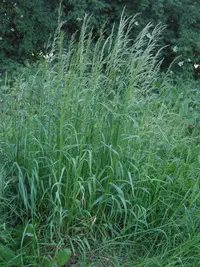
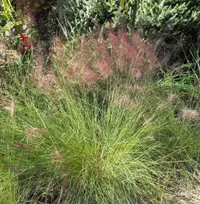
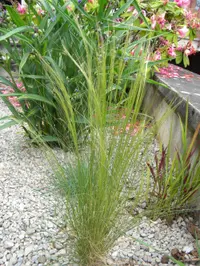
Lightly rake or comb through the clump with gloved hands at the end of winter to remove dead blades, which opens the base to light and air and encourages tighter new growth when growing soft speargrass.

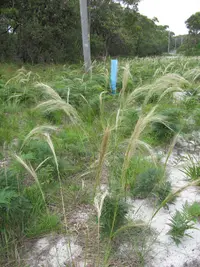
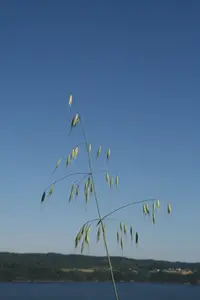
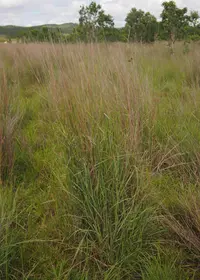
Soft speargrass, Austrostipa mollis, is a fine-textured perennial grass native to Australia. It forms loose clumps with slender, arching leaves and soft, feathery flower heads.
In gardens and naturalistic landscapes, it is often used for a relaxed, meadow-like effect and gentle movement in the wind. Its growth habit is generally tidy and not overly aggressive.
This species adapts best to sunny, open sites with well-drained soil and moderate moisture. Once established, it tends to be fairly resilient, which makes it easier to care for soft speargrass in low-maintenance plantings.

Care Difficulty
Easy Care

Light Preference
Full Sun

Water Requirements
Low Water

Temperature Preference
Warm Climate

Hardiness Zone
8–10

Soil Texture
Sandy, Loamy, Rocky

Soil pH
Slightly acidic (6.5–7.0), Neutral (7.0)

Soil Drainage
Well-drained

Fertilization
Minimal (feed rarely)
Scan your plant to receive care tips personalized for your specific plant
Available on iOS and Android
This drought-tolerant grass prefers open, bright conditions similar to its native grassland habitats.
This species is adapted to dry, free-draining conditions and is sensitive to prolonged saturation.
This temperate grass handles a wide range of outdoor conditions once established.
Humidity is not a major factor for Austrostipa mollis, which is adapted to relatively dry air.
Austrostipa mollis prefers light, fast-draining mineral soils that do not stay wet for long.
This grass can be grown in containers if the pot is set up to stay free-draining and stable outdoors.
Austrostipa mollis is adapted to low-nutrient soils and usually needs minimal fertilization in gardens.
Pruning Austrostipa mollis is mainly about tidying the clump and encouraging fresh foliage.
This grass is usually grown in the ground, so transplanting is more common than repotting.
Austrostipa mollis is mainly propagated by seed and occasional division of established clumps.
This species is generally cold hardy in mild to moderate climates and needs little winter care.

Plant Health Check
Not sure what's wrong with your plant? Check your plant's health inside the app.
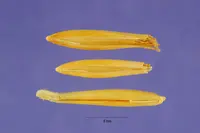
The seeds of this species carry long, twisted awns with minute barbs that help them latch onto animal fur and clothing, aiding dispersal across the landscape.
Austrostipa mollis commonly occurs on coastal sand dunes and light sandy loams in southern Australia, tolerating low nutrient availability and shifting substrates better than many other grasses.
This tussock-forming grass contributes to the structure of temperate Australian grasslands, providing cover for invertebrates and small vertebrates and helping stabilize surface soil.
Leaf tips commonly brown from prolonged dryness, hot winds, or excess fertilizer salts. Compact, poorly drained soil also stresses roots. Improve drainage, reduce feeding, water more deeply but less often, and trim only the dead, crispy tips.
Keep your plants happy and healthy with plant identification, disease detection, and easy care guidance.