para grass Care (Urochloa mutica)

Also known as: California grass
para grass

About para grass

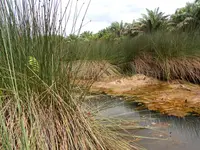
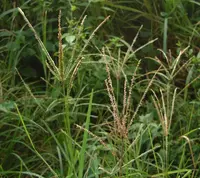
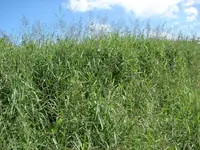
Para grass, Urochloa mutica, is a fast-growing perennial grass often used as a forage and erosion-control plant in warm, humid regions. It forms dense, spreading mats with thick, creeping stems and broad, bright green leaves that can create a coarse, meadow-like look.

Native to tropical areas of Africa, it is now naturalized in many tropical and subtropical zones worldwide, including parts of the southern United States. It is vigorous, tolerates waterlogged soils, and can become invasive, which affects how to care for para grass in managed landscapes. This grass prefers full sun, consistent moisture, and nutrient-rich, heavy soils.

Main Plant Requirements

Care Difficulty

Moderate Care

Light Preference

Full Sun

Water Requirements

Aquatic

Temperature Preference

Tropical / Frost Sensitive

Hardiness Zone

9–13

Soil Texture

Sandy, Loamy, Clay

Soil pH

Slightly acidic (6.5–7.0), Slightly alkaline (7.0–7.5)

Soil Drainage

Waterlogged tolerant

Fertilization

Minimal (feed rarely)

Get Personalized Care Plan

Scan your plant to receive care tips personalized for your specific plant

Available on iOS and Android

How to Care for the para grass

This warm-season grass needs abundant direct sun for dense, vigorous growth.

  • Provide 6–10 hours of direct sun daily; full sun exposure suits most field and pasture situations.
  • It tolerates light partial shade, but stands become thinner and more open if daily sun drops below about 4 hours.
  • In hot climates, strong afternoon sun is acceptable if soil moisture stays high; chronic low light leads to weak, floppy para grass with poor regrowth.

This species prefers consistently moist conditions and performs best where soil water is reliable.

  • Aim for soil that stays damp 5–10 cm deep; do not allow prolonged drying or cracked soil surfaces, which indicate underwatering.
  • In summer, watch for dull, folding leaves and slowed growth as cues to increase irrigation; in cooler seasons, reduce frequency while keeping the root zone slightly moist.
  • Avoid waterlogging on poorly drained soils, since persistent puddling, foul smell, or yellowing lower leaves suggest oxygen-poor roots and overwatering in Urochloa mutica.

This warm-season grass grows most actively in sustained heat and slows sharply in cool conditions.

  • Optimal growth occurs around 77–95°F (25–35°C), with strong tillering and rapid spread during warm, humid months.
  • It tolerates higher temperatures up to about 104°F (40°C) if soil moisture is ample, but drought plus heat causes leaf scorch and stunting.
  • Growth declines below 59°F (15°C), plants are stressed below about 50°F (10°C), and frosts near 32°F (0°C) can burn foliage or kill exposed shoots.

This species tolerates a wide humidity range and rarely needs special humidity management outdoors.

This grass prefers moist, heavy soils and adapts well to periodically waterlogged conditions.

  • Use a clay or silty loam rich in organic matter, as Urochloa mutica naturally thrives in fertile, alluvial floodplain soils.
  • Allow slow surface drainage but avoid constantly stagnant, foul-smelling water that indicates anaerobic conditions and root decline.
  • Maintain pH roughly 5.5–7.5; amend very acidic soils with agricultural lime and very alkaline soils with organic matter only.
  • In compacted sites, incorporate coarse sand or fine gravel plus compost through the top 15–20 cm to improve aeration and root penetration.

This species is generally not suitable for long-term container growing, except for short-term holding in large tubs for water-edge plantings.

  • Use very heavy, wide containers or partially sink tubs into the ground to prevent tipping as plants spread and gain biomass.
  • Fill containers with dense loam rather than peat-heavy mixes so the weight balances vigorous aboveground growth near water.
  • Position tubs where they cannot overflow into natural waterways, limiting unwanted spread from fragments or escaped seed.

This vigorous warm-season grass benefits from light, targeted feeding to support dense forage growth without causing nutrient runoff.

  • Use a balanced NPK fertilizer (for example 10-10-10) at half strength on established para grass during peak growth.
  • Apply fertilizer every 6–8 weeks in the warm growing season if soil tests show low fertility.
  • Favor slow-release granules or well-rotted compost to supply steady nutrients and support soil structure.
  • Stop feeding in late fall and winter, as cool conditions slow growth and reduce nutrient demand.

Pruning Urochloa mutica focuses on managing height, density, and removal of unproductive material in productive or managed areas.

  • Best timing is late winter to early spring before vigorous new growth starts.
  • Cut back tall, rank, or lodged stems to 10–15 cm to encourage fresh leafy regrowth.
  • Remove dead, damaged, or overly shaded clumps to maintain airflow and reduce disease risk.
  • Use sharp shears or a scythe, making clean, even cuts across the sward rather than tearing stems.

This grass is mainly grown in fields or pastures, so transplanting and field establishment are more relevant than container repotting.

  • Transplant or establish new stands in late spring when soil is warm and frost risk has passed.
  • Choose vigorous divisions or nursery plugs with white, firm roots rather than pot-bound plants with circling roots.
  • Prepare a well-drained, moist seedbed, then plant at the same depth as previously grown and firm soil around roots.
  • Water thoroughly after planting and keep soil evenly moist for 2–3 weeks to limit transplant shock and support rooting.

Urochloa mutica is commonly propagated for pasture through vegetative pieces and seed, depending on local practice and regulations.

  • Use stem cuttings or stolon pieces with several nodes, planted horizontally and lightly covered with soil.
  • Carry out vegetative planting in late spring to early summer when soil is warm and moisture is adequate.
  • For seed, sow onto a fine, firm seedbed, pressing seed into the surface with minimal soil cover.
  • Maintain consistent soil moisture and good contact between planting material and soil to support rooting or germination.

This warm-season grass has low cold tolerance and may thin or die back in regions with hard frosts.

  • In mild climates, allow top growth to brown naturally, then mow low at the end of winter to make way for new shoots.
  • Where light frosts occur, a 5–8 cm mulch layer around the base can help stabilize soil temperatures.
  • Container-grown plants in cooler areas should be moved to a frost-free, bright area before temperatures drop near freezing.

Care Tips

Rotational Grazing Use

In pasture systems, use rotational grazing with rest periods of 21–35 days to prevent overgrazing and allow strong regrowth of para grass stands.

Waterlogging Management

If soil stays saturated, create shallow surface drains or contour channels so water moves slowly off the field without fully drying the root zone, which keeps this semi-aquatic grass vigorous but reduces root rot risk.

Edge Containment

Install in-ground barriers 20–30 cm deep or mow a clean perimeter strip regularly to stop rhizomes and stolons from invading adjacent beds, ditches, or sensitive habitats.

Targeted Weed Suppression

Before planting or renovating a stand, perform one or two shallow cultivations 10–14 days apart to force weed seeds to germinate, then control this flush before sowing or planting to give para grass a clean start.

Seasonal Biomass Cutting

In warm regions, schedule a hard cut or mowing at the end of the main growing season to remove old, fibrous material, stimulate fresh tillering, and make caring for para grass more efficient the following season.

Common Pests and Diseases

Spittlebugs

This pest is commonly found on para grass in warm, humid areas and appears as frothy white masses on stems and leaves. Symptoms include reduced vigor and yellowing where nymphs feed on plant sap.

Solution

Reduce thatch and excess stem density, then hose plants to remove foam masses and expose nymphs. In forage or pasture settings, maintain balanced grazing and, if populations are high, use targeted insecticidal sprays labeled for spittlebugs in grass, applied in the early nymph stages.

Armyworms

These insects are caterpillar larvae that can rapidly defoliate para grass, leaving ragged leaf margins and thinning stands. Symptoms include chewed leaves, green frass pellets, and sudden brown or bare patches in the sward.

Solution

Scout regularly, especially during warm, wet periods, and treat early infestations with Bacillus thuringiensis (Bt) or other selective grass-safe insecticides following label directions. Encourage natural predators by avoiding unnecessary broad-spectrum chemicals and, in pasture systems, use rotational grazing to prevent heavy buildup in a single area.

Rust

This disease appears as small yellow to orange-brown pustules on leaf surfaces, often leading to premature leaf drying and reduced forage quality. Symptoms include dusty spores that rub off on fingers and gradual thinning of the stand under severe pressure.

Solution

Promote good air movement and avoid excessive irrigation that keeps foliage wet for long periods. Remove or mow heavily infected foliage, improve soil fertility to support robust growth, and in high-value plantings consider fungicides specifically labeled for rust on grasses if cultural control is not sufficient.

Leaf spot

This disease causes small water-soaked or brown lesions on leaves that may enlarge and coalesce, leading to blighted leaf tips and reduced photosynthesis. Symptoms include irregular spots often with darker margins and, in severe cases, dieback of affected leaves.

Solution

Reduce leaf wetness by avoiding overhead irrigation and by watering early in the day. Mow or cut and remove heavily spotted foliage, maintain balanced nitrogen levels, and in persistent cases use a labeled foliar fungicide on surrounding high-value grass stands while also improving drainage.

Stem and root nematodes

These microscopic roundworms invade roots and basal stems, causing stunting, poor tillering, and general decline, especially in repeatedly grazed or waterlogged areas. Symptoms include weak patches that do not respond well to fertilization or normal irrigation.

Solution

Improve drainage and avoid prolonged waterlogging, which favors nematode damage. Rotate with less-susceptible crops in production systems, incorporate organic matter to support beneficial soil organisms, and avoid moving contaminated soil or plant material into clean areas as part of broader Urochloa mutica care.

Interesting Facts

Floodplain specialist

This species naturally thrives in seasonally flooded river margins and ditches, where its stems can survive prolonged waterlogging that would kill many other pasture grasses.

Floating stem mats

The creeping, jointed stems can detach and form floating mats that aid in its spread along waterways and allow rapid colonization of new wet habitats.

Aggressive pasture competitor

In warm, wet regions it can outcompete other forage grasses and native wetland plants, which is why several US states classify it as a noxious or invasive species in riparian areas.

Botan icon

Did you know?

Urochloa mutica was one of the first tropical grasses to be widely exported from South America in the 19th century as a high-yield fodder grass, and it subsequently naturalized across tropical and subtropical regions in Africa, Asia, Australia, and North America.

FAQs about para grass

This species spreads vigorously by creeping stems and rooting nodes, forming dense stands that can displace other plants. In suitable climates it often behaves aggressively, so use physical barriers and regular trimming to limit encroachment into unwanted areas.

Grow Healthy Plants with Botan Care

Keep your plants happy and healthy with plant identification, disease detection, and easy care guidance.

Botan plant care app — identify plants on mobile

Explore More Plants