gypsywort Care (Lycopus europaeus)

Also known as: European bugleweed, bugleweed, water horehound, European water-horehound
gypsywort

About gypsywort

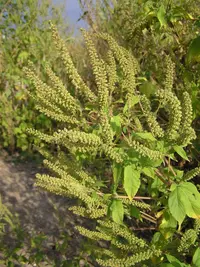
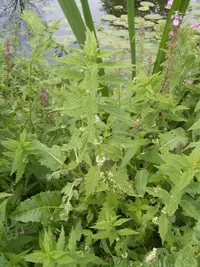
Gypsywort, Lycopus europaeus, is a moisture-loving perennial herb from the mint family. It usually grows along pond edges, slow streams, and wet meadows. The plant forms upright, square stems with toothed, lance-shaped leaves and small white flowers dotted with purple markings in dense clusters around the stems. Its growth is fairly fast where soil stays consistently damp. In gardens, it is used mainly in naturalistic pond margins or rain garden plantings. It is considered easy to manage if planted in wet, sunny to lightly shaded spots, but it may spread by seed and creeping roots. Understanding how to care for gypsywort starts with providing reliably moist, low-competition conditions.

Main Plant Requirements

Care Difficulty

Moderate Care

Light Preference

Partial Shade

Water Requirements

Aquatic

Temperature Preference

Cold Hardy

Hardiness Zone

4–9

Soil Texture

Loamy, Silty, Organic-rich

Soil pH

Acidic (5.5–6.5), Slightly acidic (6.5–7.0)

Soil Drainage

Waterlogged tolerant

Fertilization

Minimal (feed rarely)

Get Personalized Care Plan

Scan your plant to receive care tips personalized for your specific plant

Available on iOS and Android

How to Care for the gypsywort

Lycopus europaeus prefers consistently moist sites with full sun to partial shade along banks, ponds, or wet meadows.

  • Aim for 4–6 hours of direct morning sun, with light or dappled shade in the hotter afternoon, especially in warmer regions.
  • The plant tolerates bright overcast conditions and partial shade, but very dense shade reduces flowering and leads to lanky, weak stems.
  • Intense all-day summer sun without enough soil moisture can scorch leaves; in exposed spots, consider neighboring taller plants to provide light filtering.

This wetland species thrives in saturated to very moist conditions and does poorly if the soil dries out.

  • Maintain soil that is consistently damp; in natural sites, it often grows at pond edges, stream margins, or in ditches with standing or slow-moving water.
  • In garden soil, water whenever the surface starts to lose its sheen but before the top 1–2 cm dry, allowing no prolonged dry periods, especially in summer.
  • Signs of underwatering include limp, dull foliage and slower growth, while foul-smelling, blackened roots indicate waterlogged soil without enough oxygen.

This hardy perennial tolerates cool climates and survives typical winters in much of temperate Europe and similar regions.

  • Active growth is strongest around 60–75°F (16–24°C), with steady moisture supporting a dense, healthy stand.
  • The plant survives winter down to about 0–5°F (−18 to −15°C) in the ground, dying back above soil level and resprouting from roots in spring.
  • Heat above 86°F (30°C) is tolerated if soil stays saturated; in hot, dry spells, declining vigor and leaf scorch indicate excessive heat stress.

This semi-aquatic species handles a wide humidity range but stays healthiest in consistently moist air and soil.

  • Target 50–80% humidity, mirroring damp streamside or pond-edge conditions.
  • Tolerates short spells of drier air if roots stay wet, but prolonged dry rooms cause leaf edge browning and wilting.
  • Increase humidity outdoors by grouping near water features, or in pots by standing the container in a shallow, non-drying water tray.

Lycopus europaeus thrives in saturated, organic-rich soil that mimics wet banks and marshy margins.

  • Use a heavy, fine-textured mix with 60–70% loam, 20–30% compost, and minimal coarse material so it holds water.
  • Allow drainage but keep the soil almost waterlogged; standing the pot in a shallow water reservoir maintains constant moisture.
  • Aim for slightly acidic to neutral pH around 6.0–7.0, which supports nutrient availability for this wetland herb.
  • Avoid sandy, fast-draining, or peat-only mixes that dry quickly, as these cause stunting and frequent wilting.

This species can be grown in containers when the setup maintains constant moisture and stability.

  • Choose a deep, heavy pot that resists tipping as stems spread and creates a stable water column for the roots.
  • Use a cache pot or outer tub that can safely hold a few cm of standing water around the inner pot base.
  • Place the container where runoff cannot damage surfaces, since frequent overflow is likely when trying to grow Lycopus europaeus very wet.

Lycopus europaeus is a vigorous wetland perennial that usually needs minimal fertilization in garden soils rich in organic matter.

  • In poor or sandy soils, apply a light top-dressing of compost in early spring to support steady growth.
  • Use a balanced, dilute liquid fertilizer (for example 10-10-10 at 1/4–1/2 strength) every 4–6 weeks during active growth if leaves pale.
  • Avoid fertilizing in late fall and winter, as growth slows and nutrients are less effectively used.
  • Gypsywort growing in nutrient-rich, moist ground or at pond edges typically performs well without additional fertilizer.

Lycopus europaeus benefits from light, targeted pruning to control spread and maintain a tidy stand.

  • Cut back dead, damaged, or diseased stems at ground level in late winter or very early spring using clean hand pruners.
  • Shear or pinch back tall, leggy stems after flowering to reduce flopping and encourage a denser, bushier clump.
  • Remove crowded or crossing shoots near the base to improve air flow and reduce fungal disease risk in damp sites.
  • In naturalized areas, periodic cutting of outer stems limits unwanted spread while preserving the colony’s structure.

This species is more often transplanted in the ground or along pond margins than kept as a long-term container plant.

  • Plan transplanting for early spring or early fall, when temperatures are mild and soil moisture is reliable.
  • Look for signs such as roots circling a nursery pot, water running off quickly, or declining growth to decide when to move plants.
  • Lift clumps with a spade, keeping as much root and surrounding moist soil as possible to limit stress.
  • Replant at the same depth in a consistently damp, organic-rich site; water thoroughly and shade lightly for 3–5 days if conditions are bright.

Lycopus europaeus is commonly propagated by division, stem sections, and seeds, making population expansion straightforward in suitable sites.

  • Divide established clumps in early spring or early fall, replanting sections with several shoots and healthy roots into moist soil.
  • Take 8–10 cm softwood or semi-ripe stem cuttings in late spring, insert into a damp, peat-free mix, and keep in high humidity until rooted.
  • Sow fresh seeds in autumn or early spring outdoors; natural cold exposure improves germination of this wetland species.
  • Maintain consistently moist substrate and moderate light for all methods to prevent drying, which quickly damages young roots and shoots.

This hardy perennial typically needs little special winter care in most temperate climates.

  • Dormant crowns tolerate normal frosts when planted in the ground, especially in reliably moist soils.
  • Apply a light 3–5 cm mulch of leaves or compost in late fall in colder regions to buffer freeze–thaw cycles around roots.
  • Container-grown plants are more exposed; move them into a sheltered, unfrozen spot and keep the substrate slightly moist, not waterlogged.

Care Tips

Contain Wet Spread

In garden ponds or wet beds, plant gypsywort in a submerged pot or bottomless container sunk into the soil to limit rhizome spread and make future division easier.

Use Shallow Water

Position plants in 2–8 cm of standing water or at the very edge of a pond so roots stay saturated while stems remain above water, which supports dense, upright growth.

Controlled Stream Edges

Along artificial streams or filters, anchor plants with flat stones or mesh baskets so roots are held in place against moving water and soil does not wash away.

Timed Seasonal Cutting

Cut stems back hard in late autumn after flowering to remove spent growth and reduce self-seeding, leaving a few stems standing in colder areas to protect crowns over winter.

Divide For Vigor

Every 2–3 years, lift and divide congested clumps in early spring, replanting only the firm, white-rooted sections to maintain strong growth when growing gypsywort in the same site long term.

Common Pests and Diseases

Powdery mildew

This disease causes a white, powdery coating on leaves and young stems, often in warm, still, and humid conditions. Symptoms include distorted new growth and gradual loss of vigor along dense stands in slow-moving water or damp margins.

Solution

Remove the most affected leaves to reduce spore load, then improve air movement by thinning overcrowded stems and avoiding dense shading. If needed, apply a sulfur- or potassium bicarbonate-based fungicide labeled for aquatic or marginal plants, keeping spray away from open water as required by local regulations.

Leaf spot

This disease produces small brown to dark-purple spots on leaves that may merge into larger patches, especially where foliage stays wet for long periods. Symptoms include premature yellowing and shedding of older leaves in thick patches along ponds or ditches.

Solution

Cut and dispose of heavily spotted foliage, reducing dense growth so leaves dry faster after rain or irrigation. Avoid overhead watering, and if disease is persistent, use a copper-based or other labeled fungicide carefully, following local guidance for use near water bodies.

Aphids

These insects cluster on young shoots and the undersides of leaves, sucking sap and excreting sticky honeydew. This pest can cause curling or distortion of tender growth and may encourage sooty mold on the sticky surfaces.

Solution

Physically rinse colonies off stems and leaves with a firm stream of water or gently wipe them away, repeating as needed. In persistent cases, introduce or encourage natural predators such as lady beetles, or use an insecticidal soap or horticultural oil, taking care to minimize drift into open water.

Spider mites

These pests thrive on plants in unusually warm, dry positions away from constant splash, causing fine stippling on leaves and a dull, speckled appearance. Symptoms include very fine webbing between stems and leaves when populations are high.

Solution

Increase humidity around infested plants by allowing more natural splashing or gently hosing foliage, and wash the undersides of leaves to dislodge mites. Where needed, apply a miticidal horticultural oil or insecticidal soap, directing sprays carefully to keep them out of ponds and streams.

Rust

This disease forms small orange to brown pustules on the undersides of leaves, with yellowing patches above. Symptoms include gradual thinning of foliage and reduced vigor, especially in crowded, poorly ventilated stands along water margins.

Solution

Remove and discard infected leaves and thin dense clumps to improve airflow and reduce leaf wetness duration. If rust recurs, use a suitable systemic or protectant fungicide according to label directions, while avoiding application directly into watercourses and monitoring stands for reinfection during humid periods.

Interesting Facts

Specialist wetland colonizer

This species is strongly tied to water margins and often forms dense stands along slow-flowing rivers, ponds, and ditches, where its creeping rhizomes help stabilize soft, silty banks.

Night-darkening foliage

Its leaves frequently turn a darker green to purplish shade in late season, especially in sunny, nutrient-poor, or cooler sites, due to increased production of protective pigments called anthocyanins.

Nectar for short-tongued insects

The small white flowers with purple speckling are adapted for pollination mainly by short-tongued bees, hoverflies, and other small insects that can easily access the exposed nectar in the shallow tubular corolla.

Botan icon

Did you know?

DNA studies place this species within a clade of wetland mints that likely diversified in response to changing water levels and river systems in Eurasia, helping explain its strong ecological preference for fluctuating, seasonally flooded habitats.

FAQs about gypsywort

This species spreads by creeping rhizomes and self-seeding, especially in wet soil. In small gardens, use containers or root barriers and remove unwanted seedlings regularly to prevent it from forming dense, expanding patches along water margins.

Grow Healthy Plants with Botan Care

Keep your plants happy and healthy with plant identification, disease detection, and easy care guidance.

Botan plant care app — identify plants on mobile

Explore More Plants