Marsh Fern Care (Thelypteris palustris)

Also known as: eastern marsh fern
Marsh Fern

About Marsh Fern

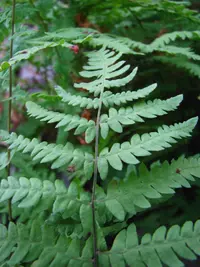
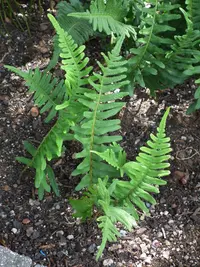
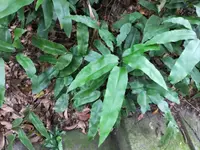
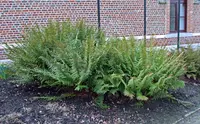
Marsh fern, Thelypteris palustris, is a hardy deciduous fern found in wetlands, stream edges, and boggy ground across cooler regions of North America and Europe. It forms loose colonies from creeping rhizomes, with upright, narrow fronds that create a soft, airy texture. The foliage is light to medium green, giving a natural, understated look in shade gardens and wild plantings. It is generally easy to grow if kept consistently moist and protected from strong sun and drying winds. Understanding how to care for Marsh Fern starts with providing damp, humus-rich soil and a cool, partially shaded position that mimics its natural habitat.


Main Plant Requirements

Care Difficulty

Moderate Care

Light Preference

Partial Shade

Water Requirements

Aquatic

Temperature Preference

Cold Hardy

Hardiness Zone

3–7

Soil Texture

Loamy, Silty, Organic-rich

Soil pH

Acidic (5.5–6.5), Slightly acidic (6.5–7.0)

Soil Drainage

Waterlogged tolerant

Fertilization

Minimal (feed rarely)

Get Personalized Care Plan

Scan your plant to receive care tips personalized for your specific plant

Available on iOS and Android

How to Care for the Marsh Fern

This wetland fern prefers cool, soft light that mimics dappled woodland conditions.

  • Provide bright, filtered light or light shade, such as beneath shrubs or trees, with 2–4 hours of gentle morning sun and no harsh afternoon sun.
  • Site Marsh Fern where it receives consistent partial shade; strong midday sun scorches fronds, causing bleaching and crisp brown tips.
  • In summer, increase shade if fronds pale or curl; in cooler months, allow slightly more indirect light to maintain healthy green growth.

This species is adapted to consistently moist to wet soils, especially in natural bog or marsh settings.

  • Aim for soil that stays saturated or nearly so; in garden settings, the top 1–2 cm should never dry out completely around Thelypteris palustris.
  • Use organic, moisture-retentive soil near ponds or low spots; slow drainage is acceptable as long as water is not stagnant and foul-smelling.
  • Underwatering shows as limp, browning fronds and shrinking clumps; chronic overwatering in containers causes sour odor, black roots, and mushy crowns.

This hardy fern thrives in cool to mild climates and tolerates significant seasonal change.

  • Active growth occurs around 60–75°F (16–24°C); it handles typical spring and fall fluctuations without stress in most temperate regions.
  • Dormant crowns usually survive down to about 0°F (-18°C) when in the ground and mulched; fronds die back with hard frost but regrow in spring.
  • Short heat spells up to 85–90°F (29–32°C) are tolerated if soil stays wet; extended extreme heat with dry soil leads to frond scorch and decline.

This wetland fern needs consistently high humidity to thrive in cultivation.

  • Aim for 60–80% humidity, as Marsh Fern naturally grows in marshes, bogs, and along wet stream banks.
  • In prolonged dry air below 50%, fronds may brown at the tips, feel crisp, and unfurl smaller than usual.
  • Increase humidity with nearby water trays, grouping moisture-loving plants, or using a humidifier rather than misting, which dries quickly.

This species prefers consistently wet, organic-rich soil that mimics marshy conditions.

  • Use a dense, humus-rich mix such as 2 parts peat or coco coir, 1 part compost, and 1 part fine sand to hold moisture while allowing gas exchange.
  • Keep soil saturated to very moist with no dry periods, but avoid stagnant, foul-smelling water that signals anaerobic conditions.
  • A slightly acidic pH of 5.5–6.5 suits Thelypteris palustris, which naturally occurs in peatlands and other low-pH wetlands.
  • To imitate mucky yet aerated marsh soil, top-dress with leaf mold and avoid chunky bark-based mixes that drain and dry too quickly.

This fern can be grown in containers if the setup keeps the root zone constantly wet without becoming sour.

  • Choose a deep, heavy container that resists tipping and allows a water reservoir at the bottom to simulate marshy conditions.
  • Use a pot with limited drainage holes placed slightly above the base so a shallow water layer can remain while excess still escapes.
  • Stand the container in a shallow outer tray or cachepot to hold overflow water and maintain a consistently saturated, not flushing, root zone.

This wetland species has low nutrient demand, so Marsh Fern usually needs only light, occasional feeding in containers or poor soils.

  • Use a diluted balanced NPK liquid fertilizer at 1/4–1/2 strength for potted plants during spring–summer.
  • Feed every 4–6 weeks only if growth appears pale or weak, skipping applications in rich garden soils.
  • In winter or dormancy, stop feeding to avoid soft, weak fronds.
  • Compost top-dressing in spring provides gentle, slow nutrient release without stressing roots.

Pruning Thelypteris palustris is simple and mainly focused on hygiene rather than shaping.

  • Best time for pruning is late winter or early spring before strong new growth starts.
  • Remove dead, yellowing, or damaged fronds at the base using clean, sharp scissors or hand pruners.
  • Thin out overcrowded fronds to improve air flow and reduce fungal problems in damp sites.
  • Light cleanup maintains a tidy clump while preserving the fern’s natural, arching habit.

This fern is most often grown in the ground, where it spreads slowly and needs transplanting only occasionally.

  • Transplant or divide in early spring or early fall when temperatures are mild and soil is moist.
  • Look for slow growth, crowded crowns, or rhizomes creeping beyond the desired area as signs it needs relocating or thinning.
  • Lift clumps carefully, keep roots and rhizomes surrounded by damp soil, and replant at the same depth to limit shock.
  • Water thoroughly after transplanting and keep soil consistently moist for several weeks to help roots re-establish.

Thelypteris palustris is commonly propagated by division, which keeps the desired form and is faster than growing from spores.

  • Divide established clumps in early spring when new fiddleheads just start to emerge.
  • Dig up a section, then gently separate rhizomes into pieces with several fronds or buds each.
  • Replant divisions immediately into consistently moist, organic-rich soil, firming gently around roots.
  • Keep new divisions shaded and evenly damp until vigorous new frond growth confirms successful establishment.

This fern is cold hardy in much of its range and generally needs minimal winter attention in outdoor plantings.

  • In cold climates, allow fronds to die back naturally, then trim them at ground level in late winter.
  • Apply a 3–5 cm layer of mulch around the crown in late fall to buffer freeze–thaw cycles.
  • For container plants in zones with severe frost, move pots into an unheated garage or cold frame to prevent root freeze.

Care Tips

Maintain Wet Edge

Place pots in a tray or outer container with 2–3 cm of water so the medium stays consistently saturated while the rhizomes remain just above standing water, which closely mimics natural bog conditions and reduces drought stress when growing Marsh Fern.

Use Aquatic Baskets

For pond margins or water gardens, plant in mesh aquatic baskets lined with fabric so roots can penetrate into surrounding wet soil while you can still lift and divide clumps easily every few years.

Seasonal Mulch Management

Apply a 3–5 cm layer of fine, non‑woody mulch such as shredded leaves around the crowns in late fall for winter insulation, then thin it in spring so new fronds can emerge without resistance.

Controlled Spreading Zones

Install shallow root barriers or sink bottomless containers into the soil at the edge of beds to limit rhizome spread and keep this colonizing fern from overtaking nearby, less vigorous species.

Monitor Frond Aging

Tag a few fronds and watch their color and firmness over a season; remove older, yellowing fronds at the base to reduce fungal pressure and keep new growth better ventilated and easier to inspect for pests.

Common Pests and Diseases

Aphids

This pest often colonizes young fronds and tender stems, especially on plants growing in sheltered, nutrient-rich wet areas. Symptoms include distorted new growth, sticky honeydew, and sooty mold developing on the fronds.

Solution

Rinse colonies off fronds with a firm stream of water and remove heavily infested fronds. In persistent cases, apply insecticidal soap or a ready-to-use neem oil spray, making sure to coat both upper and lower leaf surfaces, and repeat weekly until new growth appears clean.

Slugs and snails

These insects feed on soft fern tissue in damp habitats, leaving irregular holes, shredded edges, and slime trails on or around the plant. Damage is most noticeable on young emerging fronds in spring and during extended wet periods.

Solution

Hand-pick slugs and snails in the evening, reduce nearby hiding spots such as dense debris, and use iron phosphate slug bait placed around but not on the crowns. Barriers such as copper tape or gritty mulch can also limit access to valuable clumps when growing Marsh Fern near garden beds or paths.

Leaf spot fungi

This disease appears as small brown to black spots or blotches on fronds, sometimes with yellow halos, which can merge and cause premature browning and drop of affected foliage. Prolonged leaf wetness and crowded stands of ferns favor its development.

Solution

Remove and discard affected fronds to reduce spore spread, and avoid overhead watering so foliage dries more quickly. In repeatedly affected sites, thin dense plantings to improve air movement and consider applying a labeled copper-based fungicide early in the season if spotting begins to recur.

Rust

This disease causes orange to brown powdery pustules on the undersides of fronds, with yellowing patches visible from above. Severe infections can reduce vigor and make the plant more sensitive to environmental stress.

Solution

Cut and destroy infected fronds as soon as pustules are noticed and collect fallen leaves from around the plant. Improve spacing and airflow, limit prolonged overhead watering, and in persistent cases use a fern-safe systemic or sulfur-based fungicide according to label directions early in the infection cycle.

Interesting Facts

Specialized wetland habitat

This species is strongly associated with minerotrophic fens and marshes, often growing in calcareous or slightly base-rich, neutral to mildly alkaline wetlands where many other ferns cannot persist long term.

Creeping rhizome spread

It has a slender, creeping rhizome (underground stem) that allows it to form loose colonies, stabilizing soft, waterlogged substrates and helping bind organic peat and silt in marshy soils.

Dimorphic fertile fronds

Its fertile fronds are often narrower and more erect than the sterile fronds, with sori (spore clusters) arranged in neat rows on the underside of the pinnae and covered by a delicate membrane-like indusium.

Botan icon

Did you know?

In parts of its range this fern is considered a useful indicator species for conservation-grade wetlands, because stable populations often signal relatively undisturbed hydrology and water chemistry in fens and marshes.

FAQs about Marsh Fern

This species spreads gradually via creeping rhizomes and can form loose colonies over time. In suitable wet soils it may fill available space, but it is usually manageable with edging, division, or by physically removing unwanted fronds and rhizomes.

Grow Healthy Plants with Botan Care

Keep your plants happy and healthy with plant identification, disease detection, and easy care guidance.

Botan plant care app — identify plants on mobile

Explore More Plants