common polypody Care (Polypodium vulgare)

Also known as: Common Polyploidy
common polypody

About common polypody

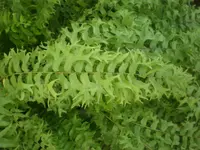
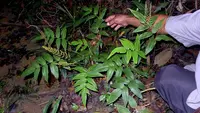
Common polypody (Polypodium vulgare) is a small, evergreen fern that forms loose clumps of arching, divided fronds. It often grows on rocks, old walls, tree trunks, and mossy ground in cool, temperate regions of Europe and parts of North America.

The fronds have a simple, clean outline and stay attractive through much of the year, giving it value in shaded gardens and naturalistic plantings. It spreads slowly by creeping rhizomes, which makes it relatively easy to manage in containers or small spaces.

This fern prefers cool, humid, shaded conditions with freely draining, humus-rich soil, so care for common polypody focuses on stable moisture and protection from hot, direct sun.

Main Plant Requirements

Care Difficulty

Moderate Care

Light Preference

Partial Shade

Water Requirements

Keep Soil Moist

Temperature Preference

Cold Hardy

Hardiness Zone

3–8

Soil Texture

Loamy, Peaty, Organic-rich

Soil pH

Strongly acidic (4.5–5.5), Acidic (5.5–6.5)

Soil Drainage

Moist but well-drained

Fertilization

Minimal (feed rarely)

Get Personalized Care Plan

Scan your plant to receive care tips personalized for your specific plant

Available on iOS and Android

How to Care for the common polypody

This woodland fern prefers soft, filtered light that mimics dappled forest shade.

  • Provide bright shade or dappled light under trees, with 2–4 hours of gentle morning sun and protection from strong midday and afternoon sun.
  • Tolerates partial to full shade, but in very deep shade fronds may grow sparse, elongated, and pale green over time.
  • In summer, shield common polypody from reflected heat and intense sun to prevent frond scorch; in winter, increased indirect light is beneficial where tree canopies are bare.

This fern prefers consistently lightly moist conditions but dislikes waterlogged soil.

  • Before watering, let the top 2–3 cm of soil or leaf litter feel just barely dry, then water enough to moisten the root zone without leaving standing water.
  • In spring and summer, monitor more often during warm, drying weather; in cool autumn and winter periods, reduce watering as growth slows and soil dries more slowly.
  • Watch for yellowing, limp fronds as a sign of waterlogging and potential root rot, and crisp, browning tips as an indicator of underwatering or prolonged drought.

This species is quite cold-hardy but grows best in cool, stable conditions.

  • Optimal growth occurs around 50–70°F (10–21°C), typical of shaded woodland or cool, sheltered garden spots.
  • Polypodium vulgare usually survives down to about 5–10°F (-15 to -12°C) once established, but prolonged frozen, waterlogged soil can damage rhizomes.
  • In hot weather above 80°F (27°C), provide extra shade and moisture; protect from hot, drying winds and rapid temperature swings, especially for newly planted ferns.

This fern prefers consistently moist air and reacts quickly to very dry conditions.

  • Aim for 50–70% humidity, as common polypody fronds thin and curl at the edges when air is too dry.
  • Keep it away from heating vents and strong drafts that drop humidity sharply and cause browning tips.
  • Increase humidity with a pebble tray under the pot or by grouping several plants to create a slightly more humid microclimate.

This species thrives in loose, humus-rich, well-drained mixes that mimic woodland or rock-crevice conditions.

  • Use a mix of roughly 50% peat-free compost, 30% fine bark, and 20% perlite to create a fibrous, airy substrate for Polypodium vulgare.
  • Ensure rapid drainage so water runs through in seconds, preventing waterlogging around the rhizomes while still holding some moisture in the organic fraction.
  • Aim for slightly acidic to neutral pH, around 5.5–7.0, which supports nutrient availability without causing leaf chlorosis.
  • Avoid compacted, heavy clay or pure peat blocks; if mix settles and feels dense, lighten it by blending in more bark and perlite to restore aeration.

This fern adapts well to container culture when its shallow, creeping rhizomes are considered.

  • Choose a wide, shallow pot rather than a deep one so the creeping rhizomes can spread horizontally without sitting in dense, wet substrate.
  • Select a breathable material such as unglazed terracotta if the mix retains moisture for many days, helping to prevent rhizome rot.
  • Place the container on a stable, level surface since the foliage can lean and make lightweight pots prone to tipping in wind or when moved.

This fern is light-feeding, so focus on gentle nutrition rather than heavy fertilization for healthy fronds.

  • Use a balanced, diluted liquid fertilizer (around 10-10-10 or 20-20-20 at 1/4 strength) during active spring–summer growth.
  • Apply every 4–6 weeks if growth is in potting mix; wild or garden-grown common polypody often needs no additional feeding.
  • Prefer organic options such as compost tea or a thin layer of fine compost kept away from the rhizomes.
  • Stop or greatly reduce feeding in fall and winter when growth slows or fronds die back.

Polypodium vulgare needs only light pruning to keep the fern tidy and remove declining fronds.

  • Best time is late winter or early spring before new fronds unfurl, or anytime dead fronds are obvious.
  • Cut dead, yellowing, or damaged fronds at the base using clean, sharp scissors or hand pruners.
  • Remove crowded or overlapping fronds selectively to improve air flow and show the plant’s natural arching shape.
  • Avoid cutting into healthy rhizomes; pruning influences appearance more than growth rate or vigor.

Polypody prefers to stay somewhat root-bound and is usually transplanted infrequently.

  • Check for roots circling the container, pushing out drainage holes, or noticeably slower growth as signs it needs more space.
  • Plan repotting or outdoor transplanting in early spring, just before strong new growth, to reduce stress.
  • Expect container plants to need a move every 3–4 years into a slightly wider, shallow pot with well-drained, humus-rich mix.
  • Water thoroughly after moving, keep in shaded, sheltered conditions for 1–2 weeks, and avoid heavy feeding until growth resumes.

This fern is most reliably propagated by division of mature rhizomes rather than by spores.

  • Divide healthy clumps in early spring when new fronds are just emerging and soil is moist but not waterlogged.
  • Lift the plant gently, then cut the rhizome into sections, each with several frond buds and roots attached.
  • Replant divisions shallowly in a loose, humus-rich mix, keeping rhizomes just at or slightly above the surface.
  • Maintain steady moisture, high humidity, and shade until new fronds expand fully and roots anchor well.

Polypodium vulgare is generally cold hardy and often needs minimal winter care in the ground.

  • In colder regions, allow fronds to die back naturally; they help insulate the rhizomes.
  • Apply a light mulch of leaf litter or compost over the root zone in late fall, avoiding deep burial of rhizomes.
  • For container plants, move pots to a sheltered, frost-free but cool spot, keeping the soil slightly moist but never saturated.

Care Tips

Divide Older Clumps

Every 3–4 years, lift and gently divide congested rhizomes in early spring, replanting healthy sections with several fronds each to maintain vigor and propagate new plants.

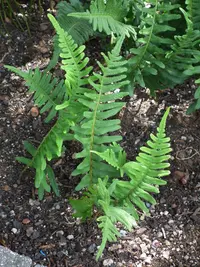
Surface Rhizome Positioning

Set the rhizome at or just above the soil surface when potting so the growing points receive good air flow and do not stay buried in wet mix, which reduces rot risk and encourages new frond production.

Use Chunky Mulch

Top-dress the soil with a thin layer of fine bark or orchid bark to mimic a mossy woodland surface, helping the rhizome stay cool and slightly moist without smothering it.

Wall And Crevice Planting

For outdoor displays, tuck pieces of rhizome into mortar gaps, rock crevices, or wall pockets filled with loose, humus-rich substrate, where roots can anchor while fronds spill naturally over the edge.

Monitor Frond Aging

Mark the time when new fronds unfurl and remove older, discolored fronds after 2–3 seasons to limit fungal issues and keep the plant open and tidy while caring for common polypody in the long term.

Common Pests and Diseases

Scale insects

This pest feeds on fronds and rhizomes, causing yellowing, speckling, and a sticky residue on the foliage. Heavy infestations can weaken the fern and slow new frond production.

Solution

Remove affected fronds if heavily covered, then gently scrape or wipe remaining scale from rhizomes and rachises with a cotton swab dipped in alcohol or insecticidal soap. Improve air movement around the plant and repeat treatments every 7–10 days until no new scale appears, which is an important part of Polypodium vulgare care in indoor conditions.

Fern aphids

These insects cluster on young fronds and undersides of leaf segments, sucking sap and causing distortion, curling, and pale growth. Sticky honeydew may attract sooty mold on the foliage.

Solution

Rinse fronds thoroughly with a strong but gentle stream of lukewarm water, then treat remaining colonies with insecticidal soap, ensuring good coverage of undersides. Repeat weekly until populations decline, and avoid excess nitrogen fertilization that encourages soft, aphid-prone growth.

Rhizoctonia rhizome rot

This disease affects the creeping rhizomes, causing brown to black, sunken lesions and gradual decline of frond vigor. Symptoms include stunted new fronds and sections of the rhizome that fail to produce healthy growth.

Solution

Lift the plant and cut away all soft, discolored rhizome tissue with a sterile blade, then replant only firm, healthy sections in a fresh, well-drained but moisture-retentive substrate. Reduce watering frequency, avoid waterlogged conditions, and improve drainage and air circulation around the rhizomes to prevent reinfection.

Leaf spot (fungal)

This disease produces small brown or tan spots on fronds that may coalesce into larger patches, often starting on older leaves in humid, still air. Severely affected fronds can yellow and die back prematurely.

Solution

Remove and discard affected fronds to reduce the source of spores, and avoid wetting the foliage when watering. Increase air circulation, reduce overcrowding, and if spots continue to spread, apply a fern-safe fungicide according to label directions, focusing on new and emerging fronds.

Fern mites

This pest includes tiny, often invisible mites that cause frond bronzing, dullness, and fine stippling, especially in warm, dry indoor air. Symptoms include distorted new fronds and a dry, rough texture on the leaf surface.

Solution

Raise humidity to 50–60%, rinse fronds thoroughly under lukewarm water, and isolate the plant from others. In persistent cases, use a miticide or horticultural oil labeled safe for ferns, applying carefully to both sides of the fronds and repeating as directed to break the mite life cycle.

Interesting Facts

Root-walking growth

This fern often spreads over rocks and tree roots using creeping rhizomes that sit on the surface rather than in deep soil, allowing it to colonize thin, nutrient-poor substrates where many other plants cannot survive.

Wintergreen fronds

In cool temperate climates, its leathery fronds often remain green through winter, continuing low-level photosynthesis whenever temperatures rise above freezing.

Specialist rock dweller

In much of Europe, this species shows a preference for mildly acidic to slightly basic rocks such as sandstone and some limestones, making it a characteristic component of rocky outcrops, old stone walls, and shaded cliff faces.

Botan icon

Did you know?

Genetic and fossil evidence indicate that Polypodium vulgare belongs to an ancient fern lineage, with the genus Polypodium documented from the fossil record tens of millions of years ago, meaning close relatives of this species grew alongside early modern mammals and birds.

FAQs about common polypody

This fern spreads slowly by creeping rhizomes, forming modest clumps or small colonies over several years. It is not usually aggressive in gardens and is unlikely to overwhelm neighboring plants under normal conditions.

Grow Healthy Plants with Botan Care

Keep your plants happy and healthy with plant identification, disease detection, and easy care guidance.

Botan plant care app — identify plants on mobile

Explore More Plants