alpine rose Care (Rosa pendulina)

alpine rose

About alpine rose

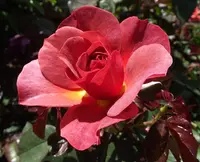
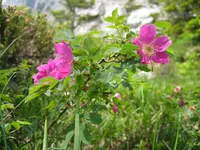
Alpine rose, Rosa pendulina, is a hardy wild rose native to European mountain regions, especially the Alps and surrounding ranges. It grows as an upright, multi-stemmed shrub with slender, often reddish shoots. Flowers are typically single, pink to deep rose, followed by elongated red hips that add interest after blooming. This species is adapted to cool climates and rocky, well-drained slopes, which makes it relatively tough but less suited to very hot, humid areas. It generally prefers full sun, moderate moisture, and free-draining, slightly acidic to neutral soil. Understanding how to care for alpine rose starts with providing conditions that mimic its natural mountain habitat.

Main Plant Requirements

Care Difficulty

Moderate Care

Light Preference

Full Sun

Water Requirements

Moderate Water

Temperature Preference

Cold Hardy

Hardiness Zone

3–8

Soil Texture

Sandy, Loamy, Rocky

Soil pH

Acidic (5.5–6.5), Slightly acidic (6.5–7.0)

Soil Drainage

Well-drained

Fertilization

Minimal (feed rarely)

Get Personalized Care Plan

Scan your plant to receive care tips personalized for your specific plant

Available on iOS and Android

How to Care for the alpine rose

Rosa pendulina prefers bright, cool conditions that mimic its native mountain habitats.

  • Provide 6–8 hours of direct sun daily, ideally with gentle morning sun and some light afternoon shade in hotter lowland sites.
  • Tolerates partial shade (4–5 hours sun) but flowering may decrease and stems may stretch if light is too low.
  • In hot summers, protect alpine rose from harsh afternoon sun with neighboring plants or dappled shade to reduce leaf scorch and moisture stress.

This species prefers consistently moist but not waterlogged soil, especially in its first years.

  • Let the top 3–5 cm of soil dry before deep watering, aiming for a slow soak that wets the full root zone once the soil no longer feels cool and damp at that depth.
  • In spring and early summer, monitor after warm, dry spells; in cooler or rainy periods, skip watering and rely on natural rainfall for Rosa pendulina.
  • Watch for yellowing, soft leaves as a sign of overwatering and crisp, drooping foliage plus dry, crumbly soil as signs of underwatering; always use well‑drained, gritty or loamy soil.

This rose is adapted to cool climates and tolerates significant cold, especially in the ground.

  • Active growth and flowering are strongest around 55–70°F (13–21°C), with cooler nights supporting sturdy stems and good bud formation.
  • Established plants tolerate winter lows down to about -20°F (-29°C) with snow cover, but young shrubs benefit from mulch over the root zone in very cold, exposed sites.
  • In summer, growth slows above 80–85°F (27–29°C); provide mulch and avoid reflected heat from walls or paving to limit root stress and leaf scorch.

This species handles typical outdoor humidity without special measures.

  • Target 40–60% humidity, which matches most temperate outdoor conditions where alpine rose naturally grows.
  • Plants tolerate short dry spells in the air, but prolonged hot, very dry winds can crisp leaf edges.
  • If air is very dry, shelter shrubs behind a windbreak or near other plants to slightly raise local humidity and reduce stress.

This rose prefers mineral, free-draining soil that does not stay waterlogged.

  • Use a lean, gritty loam with 30–50% mineral aggregate such as coarse sand, fine gravel, or grit to mimic Rosa pendulina’s native mountain slopes.
  • Aim for slightly acidic to neutral pH around 6.0–7.0; avoid strongly alkaline or saline conditions that reduce nutrient uptake.
  • In heavy clay, create raised beds and mix in sharp sand plus small gravel to improve drainage and root aeration.
  • Avoid peat-heavy, water-retentive mixes that stay wet for long periods, as this encourages root rot and winter crown damage.

This species can be grown in containers if the pot is prepared to support its woody root system and upright growth.

  • Select a deep, heavy container such as thick-walled terracotta to anchor the shrub against wind sway and reduce tipping risk.
  • Fill the base with a shallow layer of coarse gravel over the drainage holes to prevent mix compaction at the outlet points.
  • Position the container where runoff can drain freely after rain so the pot base never sits in a saucer or puddle.

Rosa pendulina is adapted to lean mountain soils, so fertilizer needs are modest.

  • Use a light application of balanced NPK granular feed or slow-release rose fertilizer in early spring to support new growth.
  • Optionally top-dress with well-rotted compost once per year to improve soil structure rather than push lush growth.
  • Feed container-grown alpine rose every 4–6 weeks in the growing season at half-strength liquid fertilizer.
  • Stop feeding by late summer and do not fertilize in winter dormancy to allow stems to harden and rest.

Rosa pendulina benefits from light, timely pruning to maintain health and flowering.

  • Carry out main pruning in late winter or very early spring before buds break.
  • Remove dead, diseased, or damaged wood first, then thin the most crowded or crossing stems.
  • Shorten overly long shoots to shape the shrub and improve air flow, which limits fungal problems.
  • Use sharp, clean bypass pruners, making angled cuts just above outward-facing buds.

This wild rose is usually grown in the ground, so focus on thoughtful transplanting rather than frequent repotting.

  • Plan transplanting for early spring or early fall when temperatures are mild and soil is workable.
  • Move plants that show poor vigor, overcrowding, or outgrowing their space, typically every several years at most.
  • Dig a wide hole, preserving as much of the root ball as possible to limit tearing and shock.
  • Water deeply after planting, then keep soil evenly moist for 2–3 weeks to help roots re-establish.

Rosa pendulina can be propagated from cuttings, seeds, or suckers with patience and suitable conditions.

  • Take semi-ripe stem cuttings in late summer, then root them in moist, well-drained sand or perlite under high humidity.
  • Collect ripe hips in autumn, clean the seeds, and cold-stratify them in moist medium at 35–40°F for 2–3 months.
  • Sow stratified seeds in spring in a cool, bright spot, keeping the substrate just moist until germination.
  • Lift and separate rooted suckers in early spring, replanting them promptly at the same depth and watering well.

This species is naturally cold hardy and usually needs only minimal winter care in the ground.

  • Tolerates typical frosts in temperate climates once established, especially in well-drained soil.
  • Apply a 5–8 cm mulch layer around the root zone in late fall, keeping it away from direct stem contact.
  • For container plants, move pots to a sheltered, unheated spot or bury the container to insulate roots.

Care Tips

Use stony mulch

Apply a 3–5 cm layer of sharp gravel or small stones around the base to keep stems dry at soil level, reduce splash-borne fungal issues, and mimic the plant’s natural alpine conditions.

Slope and drainage shaping

On flat sites, build a low mound or plant into a slight slope so meltwater and heavy rain drain away from the crown, which helps prevent root problems in this naturally mountain-adapted species.

Wind and snow exposure

Site plants where they receive good air movement and natural winter snow cover but are not blasted by concentrated snow slippage from roofs, which can break stems and uproot shallow roots.

Minimal competition zone

Keep at least a 30–40 cm weed-free, grass-free ring around the plant so its shallow, fibrous roots do not compete for water and nutrients with turf or vigorous groundcovers.

Targeted hip management

If the goal is flowers, remove most developing hips after the first flush to redirect energy into new flowering shoots, but leave some hips on selected plants when caring for alpine rose primarily for wildlife value and seed.

Common Pests and Diseases

Powdery mildew

This disease appears as white, powdery patches on leaves, young shoots, and flower stalks, especially in warm, dry conditions with poor air circulation. Symptoms include distorted new growth and reduced flowering if infections become heavy.

Solution

Prune to open the shrub, remove and discard the most affected shoots, and avoid overhead watering so foliage dries quickly. In home gardens, apply a sulfur or potassium bicarbonate fungicide labeled for roses at the first sign of infection, and keep plants in full sun with good spacing as part of long-term Rosa pendulina care instructions.

Black spot

This disease causes round black or dark purple spots with fringed edges on leaves, which then yellow and drop prematurely, weakening the plant over time. Symptoms include sparse foliage and reduced vigor, especially in humid, rainy weather.

Solution

Collect and dispose of fallen leaves, prune out heavily affected canes, and water at soil level rather than on the foliage. Improve air circulation and use a preventive or early-season spray program with a rose-labeled fungicide when extended wet periods are forecast, repeating as directed on the product label.

Rose rust

This disease produces orange to rust-colored pustules on the undersides of leaves and sometimes on stems, often in cool, moist conditions at higher elevations. Symptoms include yellowing leaves and premature leaf drop when infections are severe.

Solution

Promptly remove and discard affected leaves and thin the plant to increase airflow, especially in crowded plantings or sheltered sites. In areas where rust recurs, apply an appropriate systemic or contact fungicide for roses early in the season and choose planting locations with good sun and air movement.

Aphids

These insects cluster on tender shoot tips and buds, sucking sap and causing curled leaves, sticky honeydew, and distorted flower buds. This pest is especially active on spring flushes of new growth and around developing hips.

Solution

Dislodge colonies with a strong stream of water, and prune off badly infested shoot tips. If populations remain high, use insecticidal soap or a horticultural oil labeled for roses, applied thoroughly to shoot tips and bud clusters, and encourage natural predators such as lady beetles by avoiding broad-spectrum insecticides.

Sawfly larvae (rose slugs)

These larvae feed on leaves, leaving a windowpane or skeletonized appearance that can make foliage look scorched or lace-like. This pest often affects the lower and inner parts of the shrub first, then moves outward as populations grow.

Solution

Inspect leaves regularly in spring and early summer, hand-pick or shake off larvae where practical, and prune out small, localized infestations. For heavier damage, treat with a horticultural oil or insecticidal soap targeting the undersides of leaves, repeating as needed according to the label, and maintain good plant vigor so new foliage can replace damaged leaves.

Interesting Facts

High mountain specialist

This wild rose is native to European mountain ranges such as the Alps and Carpathians, where it naturally grows on rocky slopes, subalpine meadows, and forest edges at relatively high elevations.

Distinctive pendulous hips

The plant produces elongated, bottle-shaped rose hips that hang downwards, which is the origin of the name pendulina and helps distinguish it from many other wild rose species with more upright fruits.

Cold and snow tolerant

The shrub is well adapted to long, cold winters and heavy snow cover in its native range, surviving conditions that would damage many cultivated garden roses.

Botan icon

Did you know?

Historical botanical literature from alpine regions often cites this species as one of the characteristic wild roses of high-altitude pastures and screes, making it a long-standing reference plant in studies of alpine flora and Rosa pendulina care.

FAQs about alpine rose

Poor flowering often comes from excessive shade, nutrient‑rich or waterlogged soil, or heavy pruning at the wrong time, which removes flower buds. Maintain lean, well‑drained soil, good light, and prune lightly right after flowering.

Grow Healthy Plants with Botan Care

Keep your plants happy and healthy with plant identification, disease detection, and easy care guidance.

Botan plant care app — identify plants on mobile

Explore More Plants