Establish a clear framework
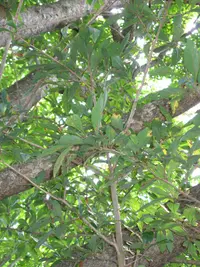
In the first 2–3 years, selectively keep 5–7 well-spaced main stems and remove weak or crowded shoots to build a strong, permanent framework that will support heavy flowering plumes and reduce storm breakage.

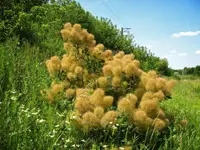
Smokebush, Cotinus coggygria, is a deciduous shrub or small tree valued for its cloud-like, smoky flower plumes and colorful foliage. It often develops a broad, open shape with multiple stems and attractive branching.
In the wild, it grows on rocky slopes and dry hillsides across southern Europe and central to western Asia. This background makes it generally tolerant of drought, poor soils, and urban conditions, which simplifies how to care for Smokebush in many gardens.
It prefers full sun and well-drained soil to develop its best leaf color and flowering. Once established, it usually needs little maintenance beyond occasional shaping or renewal pruning.

Care Difficulty
Easy Care

Light Preference
Full Sun

Water Requirements
Low Water

Temperature Preference
Cold Hardy

Hardiness Zone
4–8

Soil Texture
Sandy, Loamy, Clay

Soil pH
Slightly acidic (6.5–7.0), Slightly alkaline (7.0–7.5)

Soil Drainage
Well-drained

Fertilization
Minimal (feed rarely)
Scan your plant to receive care tips personalized for your specific plant
Available on iOS and Android
Cotinus coggygria develops best color and flowering in bright, direct outdoor sun.
This shrub prefers deep, infrequent watering once established rather than frequent light applications.
This hardy shrub tolerates a broad outdoor temperature range when planted in the ground.
Humidity is not a major factor for Cotinus coggygria, which adapts well to typical outdoor conditions in most regions.
Cotinus coggygria prefers well-drained, moderately fertile soil that does not stay waterlogged.
This species can be grown in containers for several years if the pot is managed with stability and drainage in mind.
This shrub grows well in average soil and usually needs only light feeding to stay healthy.
Pruning helps maintain structure, manage size, and renew flowering wood on Cotinus coggygria.
This species is most often grown in the ground, so transplanting is more relevant than container repotting.
New plants are usually produced from semi-ripe cuttings or seeds, with some gardeners also using layering.
This deciduous shrub is generally cold hardy in temperate climates and needs minimal winter attention.

Plant Health Check
Not sure what's wrong with your plant? Check your plant's health inside the app.
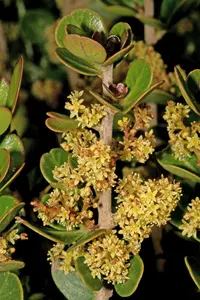
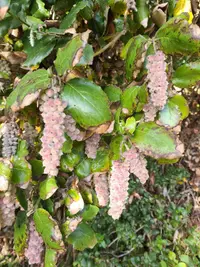
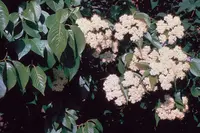
The plant forms large, airy clusters of sterile flowers and long hair-like stalks that turn pink to purple, creating a hazy, smoke-like cloud effect around the shrub in late spring to early summer.
Many cultivars show strong seasonal color changes, with foliage emerging green or purple, deepening through summer, and then turning vivid orange, red, or yellow in autumn, which makes it valued in ornamental planting schemes.
In its native Eurasian habitats, this species often grows on rocky, dry slopes and has a deep root system and relatively fire-resistant wood, allowing it to resprout from the base after disturbance in many landscapes.

The heartwood of this species, historically known as young fustic, was once an important natural dye source that produced yellow tones for textiles in Europe before synthetic dyes became widespread.
Lack of flowers often comes from too much shade, heavy pruning at the wrong time, or nutrient‑rich, high‑nitrogen soil. Avoid hard spring pruning, ensure good sun exposure, and limit high‑nitrogen fertilizers that favor foliage over blooms.
Keep your plants happy and healthy with plant identification, disease detection, and easy care guidance.