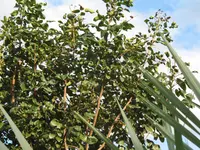
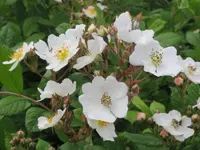
graceful wattle Care (Acacia decora)

Also known as: Golden Wattle, Showy Wattle
graceful wattle

About graceful wattle

Graceful wattle, Acacia decora, is an evergreen shrub or small tree from dry inland regions of eastern Australia. It belongs to the legume family and fixes nitrogen in the soil, which can improve growing conditions for nearby plants.

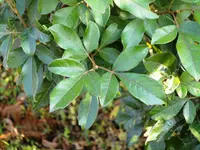
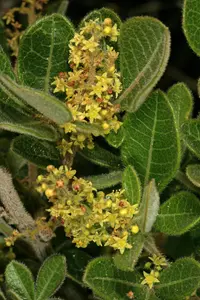
It typically forms a dense, rounded shape with slender branches and narrow, grey‑green leaves, then produces bright yellow, ball-shaped flower clusters in late winter or spring. This gives it strong ornamental value in low-maintenance landscapes.

The species tolerates drought, poor soils, and heat once established, so it suits water-wise gardens and exposed sites. It prefers full sun, well-drained soil, and minimal summer irrigation, which makes it relatively straightforward for those learning how to care for graceful wattle.

Main Plant Requirements

Care Difficulty

Moderate Care

Light Preference

Full Sun

Water Requirements

Low Water

Temperature Preference

Warm Climate

Hardiness Zone

9–11

Soil Texture

Sandy, Loamy, Rocky

Soil pH

Slightly acidic (6.5–7.0), Neutral (7.0)

Soil Drainage

Well-drained

Fertilization

Minimal (feed rarely)

Get Personalized Care Plan

Scan your plant to receive care tips personalized for your specific plant

Available on iOS and Android

How to Care for the graceful wattle

This Australian shrub thrives in open, bright sites with plenty of direct sun.

  • Provide 6–8 hours of direct sun daily; full sun exposure suits graceful wattle best in most climates.
  • Tolerates light afternoon shade, especially in hot inland areas, but too much shade causes leggy growth and sparse flowering.
  • In cooler seasons, ensure it is not shaded by buildings or taller plants; in very hot summers, some filtered light after 2–3 pm reduces leaf scorch risk.

This drought-tolerant shrub prefers infrequent, deep watering once established.

  • Water only when the top 5–8 cm of soil are dry; in the ground, this often means longer gaps between waterings after the first growing season.
  • Use sharply draining, sandy or gravelly soil so water does not pool around the roots, which leads to yellowing foliage and root rot.
  • In hot, dry periods, watch for slight leaf droop or dull color as a cue to water more deeply; reduce watering in cool or rainy seasons for Acacia decora.

This species prefers warm, dry conditions and does best in mild to hot climates.

  • Optimal growth occurs around 65–85°F (18–29°C), with good performance in typical lowland Australian-type climates in the US Southwest and similar regions.
  • Tolerates brief drops to about 25°F (−4°C), but young plants and new growth are easily damaged by frost or cold winds.
  • Handles heat up to 100–105°F (38–41°C) if soil drains well; in extreme heat waves, heat-reflective surfaces and hot, drying winds can scorch foliage.

This species tolerates a wide humidity range and usually does not need special humidity management.

This shrub prefers freely draining, sandy to loamy soil that does not stay wet.

  • Use a mix of roughly 60% sandy or loamy garden soil, 30% coarse sand, and 10% fine gravel to mimic Acacia decora’s native conditions.
  • Aim for slightly acidic to neutral pH around 6.0–7.5, avoiding strongly acidic or alkaline substrates that reduce nutrient availability.
  • In heavy or compacted ground, incorporate coarse sand and fine gravel through the top 20–30 cm to improve drainage and root aeration.
  • Avoid dense clay, waterlogged sites, or rich peat-based mixes that hold moisture and increase the risk of root rot.

This shrub can be grown in containers if drainage and root space are managed carefully.

  • Select a deep, heavy container to balance the woody, sometimes top-heavy canopy and reduce tipping in windy positions.
  • Fill the pot with a very free-draining mix, such as native soil blended with coarse sand and fine gravel, to prevent prolonged saturation after rain or watering.
  • Place the container on pot feet or bricks outdoors so water can escape quickly from all drainage holes, especially during wet seasons.

Acacia decora thrives in low‑nutrient soils, so fertilizer use should be light and targeted.

  • Use a balanced, low‑phosphorus NPK fertilizer at 1/2 strength for container plants of graceful wattle during active growth.
  • Apply once every 4–6 weeks in spring–summer only if growth appears weak or leaves pale.
  • Prefer slow‑release native-plant formulations or well-rotted compost mixed into the top layer of soil, not heavy manures.
  • Stop feeding in fall–winter to avoid soft, frost-tender growth and nutrient buildup in the root zone.

Pruning Acacia decora is mainly for maintaining structure and removing unhealthy wood.

  • Carry out light pruning after flowering in late winter or early spring so flower buds are not removed beforehand.
  • Cut out dead, diseased, crossing, or inward-growing branches to improve airflow and reduce pest or fungal issues.
  • Shorten overly long shoots to maintain a balanced, bushy form and prevent plants from becoming leggy or top-heavy.
  • Use clean, sharp bypass secateurs and make cuts just above a healthy bud or branch junction to promote tidy regrowth.

This species is usually grown in the ground, so focus on careful transplanting rather than frequent repotting.

  • Transplant young plants in late winter–early spring when temperatures are mild and soil is workable.
  • Look for signs such as roots circling the pot, slow growth, or plants drying out quickly as cues to move up 1 pot size.
  • Choose a well-drained, sandy soil or native-plant mix and set the root ball at the same depth to limit transplant shock.
  • Water thoroughly after planting, then keep soil just moist while roots establish, shading the plant for 1–2 weeks in hot conditions.

Propagation of Acacia decora is commonly carried out from seed with some pre-treatment.

  • Collect ripe seed pods, dry them, then extract and store seeds in a cool, dry place until late winter or early spring sowing.
  • Scarify seeds by nicking the coat or pour hot (not boiling) water over them and soak 12–24 hours to improve germination.
  • Sow in a free-draining, sandy mix, covering seeds lightly and keeping at 64–75°F with gentle, consistent moisture.
  • Semi-ripe cuttings can sometimes root under warm, humid conditions, but success is less reliable than seed propagation.

This species is moderately frost tolerant once established and usually needs minimal winter intervention in mild climates.

  • In regions with occasional light frosts, a 5–8 cm mulch layer around the root zone helps stabilize soil temperature.
  • Avoid waterlogged soil in winter, as cold, saturated conditions increase root-rot risk.
  • For container plants, move pots to a sheltered, bright porch or unheated greenhouse when temperatures drop below about 25°F.

Care Tips

Root-zone mulching

Apply a 5–8 cm layer of coarse, low-nutrient mulch (hardwood chips, gravel, or chipped bark) around but not touching the stem to keep roots cool, reduce weed competition, and stabilize soil moisture for this shallow-rooted shrub.


Wind-shaping early

In exposed sites, lightly tip-prune and selectively head back fast-growing shoots in the first 2–3 years to encourage a dense, wind-resistant framework rather than tall, whippy stems that snap in storms.

Low-phosphorus protection

When planting near lawns or mixed borders, create a slightly raised, edged bed to prevent high-phosphorus lawn fertilizers from washing into the root zone, which can damage the phosphorus-sensitive roots.

Summer stress monitoring

During heatwaves, check foliage for sudden yellowing or leaf scorch and give a single, slow deep soak rather than frequent light waterings to help the plant recover from acute stress without encouraging weak, surface roots.

Post-flower cleanup

After flowering, remove spent flower heads and any dead twig tips to reduce fungal spore build-up and keep air moving through the canopy, which supports long-term health when growing graceful wattle in home gardens.

Common Pests and Diseases

Acacia leaf miner

This pest tunnels inside young leaflets and phyllodes, causing blistered, distorted, or browned areas and premature leaf drop.

Solution

Prune and destroy heavily mined foliage, then encourage new growth with good watering practices and full sun exposure; for persistent infestations, use a systemic insecticide labeled for leaf miners on ornamental trees and avoid overfertilizing with high-nitrogen products that produce very soft new growth.

Acacia psyllid

These insects suck sap from tender shoots and phyllodes, leading to yellowing, cupping, and sticky honeydew that can attract sooty mold.

Solution

Rinse infested shoots with a firm stream of water, prune out heavily affected tips, and encourage natural predators like lady beetles; if populations remain high, apply a light horticultural oil or insecticidal soap thoroughly to the undersides of foliage in the early morning or late afternoon.

Armillaria root disease

This disease attacks the roots and lower stem, leading to progressive dieback, sparse foliage, and eventual collapse, often in sites with a history of tree decline.

Solution

Remove severely affected plants including as much root material as possible, avoid replanting Acacia or other highly susceptible woody species in the same spot, and improve drainage and soil aeration; maintaining the tree with low to moderate irrigation and avoiding trunk wounding reduces risk for nearby plants.

Phytophthora collar rot

This disease affects the root collar and lower trunk in poorly drained or overwatered soils, causing dark cankers at the base, sudden wilting, and rapid decline.

Solution

Improve drainage, reduce irrigation frequency, and keep mulch and soil away from the immediate trunk base; remove and discard severely affected plants and, where allowed, drench surrounding soil with a phosphonate-based product to suppress the pathogen and protect nearby Acacia decora plants.

Gall rust

This disease produces woody galls or swellings on stems and branches, which can restrict sap flow and cause dieback beyond the affected area.

Solution

Prune out galled branches at least 10–15 cm below visible symptoms during dry weather and destroy the material, then monitor for new galls each season; maintain good spacing and airflow around plants to reduce humidity on foliage and limit further infection, which is an important part of Acacia decora care in humid regions.

Interesting Facts

Rainfall pattern specialist

This shrub is naturally restricted to inland New South Wales and southern Queensland, where it is most common on ridges and slopes in regions with strongly seasonal but relatively low rainfall, often under 600 mm/year.

Rocky soil native

It typically grows on shallow, stony soils over sandstone or other sedimentary rock, and is a characteristic component of open woodland and shrubby communities in these rugged landscapes.

Nitrogen-fixing partner

Like other wattles, it forms root nodules with nitrogen-fixing bacteria, which enrich the surrounding soil and help it thrive in nutrient-poor sites, supporting other plants in the same habitat.

FAQs about graceful wattle

Yellowing foliage often indicates waterlogging, poor drainage, or nutrient imbalance, especially iron or nitrogen deficiency. Check for compacted or soggy soil, improve drainage, avoid frequent light watering, and consider a low-phosphorus, native-plant fertilizer if other conditions are correct.

Grow Healthy Plants with Botan Care

Keep your plants happy and healthy with plant identification, disease detection, and easy care guidance.

Botan plant care app — identify plants on mobile

Explore More Plants