Common currant-rhus Care (Searsia pyroides)

Also known as: Thorny karee, Common Wild Currant, Common Taaibos, Firethorn Currant-rhus, Firethorn Karree
Common currant-rhus

About Common currant-rhus

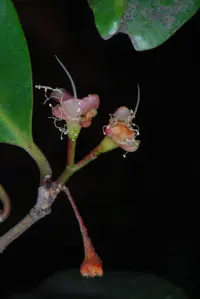
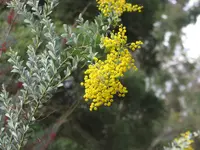
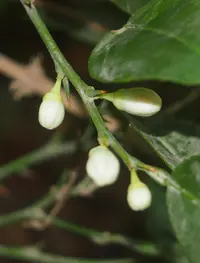
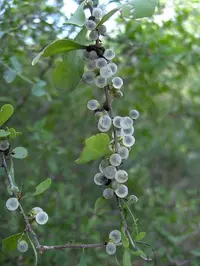
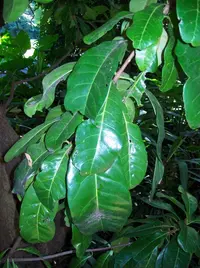
Common currant-rhus (Searsia pyroides) is a hardy, multi-stemmed shrub or small tree, usually dense and somewhat thorny, with small, glossy leaves. It often forms a rounded, bushy shape and can be used as a screening plant or informal hedge.

This species is native to southern Africa, where it grows in a wide range of habitats, from rocky hillsides to dry woodland. It adapts well to poor, stony soils and seasonal drought, which makes it relatively easy to establish in low-maintenance landscapes.

It generally prefers sunny, well-drained positions and tolerates wind and occasional dryness, so gardeners looking to care for Common currant-rhus usually find it forgiving once established.

Main Plant Requirements

Care Difficulty

Easy Care

Light Preference

Full Sun

Water Requirements

Low Water

Temperature Preference

Warm Climate

Hardiness Zone

8–11

Soil Texture

Sandy, Loamy, Rocky

Soil pH

Slightly acidic (6.5–7.0), Slightly alkaline (7.0–7.5)

Soil Drainage

Well-drained

Fertilization

Minimal (feed rarely)

Get Personalized Care Plan

Scan your plant to receive care tips personalized for your specific plant

Available on iOS and Android

How to Care for the Common currant-rhus

This drought-tolerant shrub prefers bright, open conditions and handles strong sun well in most climates.

  • Provide 6–8 hours of direct sun daily; full sun promotes dense growth and better autumn color in Common currant-rhus.
  • Allow light afternoon shade in very hot, dry regions to reduce leaf scorch, especially on young or newly transplanted plants.
  • In partial shade (3–4 hours sun), growth becomes looser; site in the brightest available position, with unobstructed winter sun to support cold-season resilience.

This shrub is adapted to dry conditions and prefers infrequent, deep watering once established.

  • Water newly planted shrubs when the top 5–8 cm of soil is dry; aim for slow, deep soaking that moistens the root zone without leaving the soil saturated.
  • For established Searsia pyroides in the ground, water only after prolonged dry spells; leaves dulling, curling, or slight tip scorch signal the need for moisture.
  • Use fast-draining, gritty or sandy soil; reduce or stop supplemental watering in cool seasons, and avoid standing water, yellowing leaves, or soft stems, which indicate overwatering.

This hardy shrub tolerates a wide temperature range once established.

  • Ideal growing temperatures are 65–85°F (18–29°C), supporting steady shoot and root development during the main growing season.
  • Mature plants often survive down to about 15–20°F (-9 to -6°C); young plants are more cold-sensitive and benefit from shelter from freezing winds.
  • Heat tolerance is high up to 100°F (38°C) if soil is not waterlogged; during heatwaves, prioritize mulch and occasional deep watering rather than relocating outdoor plants.

Humidity is rarely a concern for Searsia pyroides, which is adapted to dry, open landscapes.

  • Target 30–50% relative humidity; the plant tolerates drier air better than consistently damp, stagnant conditions.
  • Leaf tip browning with soft, pale new growth usually reflects overwatering or root issues, not low humidity.
  • For potted Common currant-rhus, ensure strong air movement around foliage instead of raising humidity with trays or humidifiers.

Soil conditions should emphasize drainage and aeration rather than fertility for this drought-adapted shrub.

  • Use a gritty, sandy or loamy mix with 30–50% mineral material such as coarse sand or fine gravel to prevent waterlogging.
  • Aim for a slightly acidic to neutral pH around 6.0–7.5, which supports stable nutrient availability without extra amendments.
  • In containers, combine standard potting mix with perlite and small gravel to increase pore space and oxygen at the root zone.
  • Avoid heavy clay, peat-heavy, or compacted mixes that stay wet for more than 1–2 days after watering, as roots are prone to rot.

This species can grow in containers when the setup focuses on stability and fast drainage.

  • Select a wide, heavy pot to counteract the shrub’s woody, branching top growth and reduce tipping in wind-prone spots.
  • Choose unglazed clay if extra evaporation is needed, since it allows moisture to leave the root zone more quickly than plastic.
  • Raise the container slightly on feet or blocks so drainage holes never sit in collected runoff, keeping lower roots aerated.

This drought-tolerant shrub needs only light feeding in most garden soils, so caring for Common currant-rhus focuses more on soil quality than heavy fertilizer use.

  • Apply a thin layer of compost or well-rotted manure around the root zone once in spring for gentle, slow nutrient release.
  • In poorer soils, use a balanced slow-release fertilizer (around 8-8-8 to 10-10-10) at label rates at the start of the growing season.
  • Avoid high-nitrogen products that encourage soft, weak growth; aim for moderate, steady growth instead.
  • Do not feed in late fall or winter, since the plant is semi-dormant and excess nutrients may cause cold-tender growth.

Searsia pyroides responds well to light structural pruning that maintains a strong framework and natural shape.

  • Carry out main pruning in late winter or very early spring before new growth starts.
  • Remove dead, diseased, crossing, or rubbing branches first to reduce pests and improve airflow.
  • Thin crowded interior shoots to open the canopy and maintain a single or few strong leaders, depending on desired form.
  • Use clean, sharp bypass pruners or loppers, making cuts just above a bud or branch collar to promote proper healing.

This species is usually grown in the ground, so care focuses on planting and occasional transplanting of young shrubs or trees.

  • Transplant in late winter to early spring when the plant is dormant and soil is workable, reducing stress on roots.
  • Look for signs such as roots circling a nursery pot, slowed growth, or quick drying soil to decide when to shift to a larger container or the ground.
  • Move up only 1 pot size or into a planting hole 2–3 times the width of the root ball, backfilling with the native soil rather than rich mixes.
  • Water deeply after transplanting, then keep soil evenly moist (not waterlogged) for several weeks and apply a light mulch to help roots re-establish.

This shrub is most often propagated from seeds or semi-hardwood cuttings taken during the warm growing season.

  • Collect ripe seed in late summer to fall, clean it, and sow in a deep tray with well-drained, sandy mix; light cold stratification can improve germination.
  • Take semi-hardwood cuttings in late summer, 8–12 cm long, with a few leaves retained at the tip.
  • Dip the cut base in a rooting hormone, then insert into a sterile, free-draining medium and keep at 70–75°F with high humidity and bright, indirect light.
  • Maintain barely moist conditions and good air circulation; once roots form and new growth appears, harden off gradually before planting out.

This shrub is fairly cold hardy in many mild to moderate winter climates and usually needs only minimal seasonal care outdoors.

  • Tolerates light to moderate frost once established, but young plants benefit from some protection during the first 1–2 winters.
  • Apply a 5–8 cm layer of organic mulch around the root zone in late fall, keeping it away from direct contact with the trunk.
  • In colder regions or exposed sites, shield young stems with breathable frost cloth during severe cold snaps.
  • Move container-grown plants to a sheltered, unheated but frost-free spot, and reduce watering while soil stays cool.

Care Tips

Wind-hardening young plants

Expose young shrubs to increasing wind over several weeks by gradually reducing windbreak protection so they develop stronger stems and a deeper anchoring root system before their first summer storm season.

Deep root encouragement

During the first 1–2 years, apply water in a wide ring away from the trunk rather than at the base to encourage lateral and deep roots that improve drought resilience and long-term stability.

Selective multi-stem training

In the first 3–4 years, choose 3–5 well-spaced main stems and remove weak inward-growing shoots at ground level to form a stable, vase-shaped framework that resists branch breakage as the plant matures.

Dripline mulching strategy

Place a 3–5 cm layer of inorganic mulch such as gravel or decomposed granite around the dripline instead of against the trunk to reduce soil temperature swings and evaporation while limiting fungal issues at the crown.

Arid-site establishment aid

In very hot or exposed sites, use temporary shade cloth on the west side and a light-colored stone mulch for the first 1–2 summers to reduce heat stress and improve survival when growing Common currant-rhus in marginal conditions.

Common Pests and Diseases

Scale insects

This pest feeds on stems and leaves, sucking sap and often forming dense colonies along woody twigs. Symptoms include sticky honeydew, black sooty mold growth, and general decline or yellowing of foliage.

Solution

Prune out heavily infested twigs, then wipe or gently scrub remaining scale with a soft brush and soapy water. For persistent problems, apply a horticultural oil spray during mild weather to smother crawlers, and reduce plant stress through proper Searsia pyroides care to improve natural resistance.

Aphids

These insects cluster on young shoots and leaf undersides, sucking sap and causing distorted new growth. Symptoms include curled or puckered leaves, sticky honeydew, and the presence of ants tending the colonies.

Solution

Spray affected shoots with a strong stream of water to knock off aphids, then treat remaining insects with insecticidal soap, ensuring coverage of leaf undersides. Encouraging natural predators such as lady beetles and avoiding excessive nitrogen fertilization also helps keep populations low when growing Common currant-rhus.

Leaf spot

This disease causes small tan to brown spots on leaves, sometimes with darker margins, which can merge and lead to early leaf drop in humid or crowded conditions. Symptoms include a thin canopy and reduced vigor, especially on young or stressed plants.

Solution

Remove and dispose of fallen leaves to reduce inoculum, and prune nearby vegetation to improve light and airflow through the canopy. If the problem recurs severely, apply a copper-based fungicide at the start of the warm, wet season according to label directions, focusing on thorough coverage of foliage.

Twig dieback

This disease affects branch tips and small twigs, which turn brown, dry out, and die back from the ends, often following drought stress or physical injury. Symptoms include scattered dead twigs within otherwise healthy foliage and, in severe cases, progressive decline of sections of the shrub or small tree.

Solution

Cut back affected twigs into healthy wood, disinfecting pruning tools between cuts with alcohol or a 10% bleach solution. Improve plant vigor with deep, infrequent watering during prolonged drought, avoid trunk and bark damage, and maintain an open branch structure to enhance air circulation and reduce infection risk.

Interesting Facts

Bird-dispersed pioneer

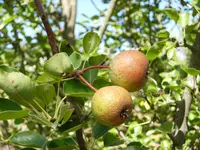
The small red to black fruits are eaten by many southern African bird species, which disperse the seeds into disturbed areas where the plant often becomes an early colonizer of secondary woodland and thicket.

Variable growth form

This species shows marked plasticity, growing as a multi-stemmed shrub in exposed, dry sites, but forming a small to medium tree with a defined trunk in more sheltered, slightly moister conditions.

Drought and frost hardy

Searsia pyroides is adapted to a wide rainfall range in southern Africa and tolerates both seasonal drought and moderate frost, which makes it unusual among many woody species from the region and valuable for water-wise planting schemes.

Botan icon

Did you know?

This species is naturally distributed across a broad environmental gradient in southern Africa, from rocky hillsides and bushveld to riverine fringes and open woodland, and this ecological flexibility has led to its frequent use in ecological restoration projects to stabilize soils and help re-establish native woody plant communities.

FAQs about Common currant-rhus

This shrub is mostly evergreen in mild, frost-free climates but can be semi-deciduous where winters are colder or very dry. Leaves may thin out or drop in response to drought, cold snaps, or severe pruning.

Grow Healthy Plants with Botan Care

Keep your plants happy and healthy with plant identification, disease detection, and easy care guidance.

Botan plant care app — identify plants on mobile

Explore More Plants