devilqueen Care (Phaulothamnus spinescens)

Also known as: snake eyes, putia
devilqueen

About devilqueen

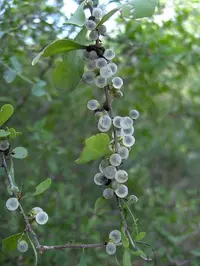
Devilqueen, Phaulothamnus spinescens, is a thorny, deciduous shrub native to arid and semi-arid regions of the southern United States and northern Mexico. It typically forms dense, branching thickets with small leaves and inconspicuous flowers, followed by pale, berry-like fruits. The plant is adapted to harsh, dry conditions and poor, rocky or sandy soils, which makes it tough but less suitable for small, ornamental gardens. It prefers full sun, good drainage, and minimal supplemental water once established. Due to its spines and rugged growth habit, how to care for devilqueen focuses mostly on site selection and safe handling rather than intensive maintenance.

Main Plant Requirements

Care Difficulty

Moderate Care

Light Preference

Full Sun

Water Requirements

Low Water

Temperature Preference

Warm Climate

Hardiness Zone

8–11

Soil Texture

Sandy, Loamy, Rocky

Soil pH

Slightly acidic (6.5–7.0), Neutral (7.0)

Soil Drainage

Well-drained

Fertilization

Minimal (feed rarely)

Get Personalized Care Plan

Scan your plant to receive care tips personalized for your specific plant

Available on iOS and Android

How to Care for the devilqueen

This desert shrub prefers strong light and handles full sun in most arid climates.

  • Provide 6–10 hours of direct sun daily; morning and midday sun are ideal, with light afternoon shade in very hot regions.
  • Devilqueen tolerates light partial shade, but plants grown with less than 4–5 hours of direct sun become sparse and may flower and fruit poorly.
  • In summer, watch for leaf scorch on exposed sites; in winter, avoid deep shade from buildings or trees that drastically cut sun exposure.

This species is adapted to dry conditions and needs infrequent, deep watering once established.

  • Allow soil to dry thoroughly between waterings; in the ground, only water when the top 5–10 cm feels dry and the foliage looks slightly dull or limp.
  • Use sharply draining, sandy or gravelly soil; pooled water around the root zone or a sour smell signals poor drainage and risk of root rot.
  • In hot, dry months, occasional deep soaking supports growth; in cool or rainy seasons, rely mostly on natural rainfall for Phaulothamnus spinescens.

This shrub thrives in hot, arid to semi-arid climates with mild winters.

  • Optimal growth occurs around 75–95°F (24–35°C), where warm days and low humidity match its native desert conditions.
  • Mature plants tolerate heat above 100°F (38°C) if soil is well drained, but young plants benefit from light afternoon shade during extreme heatwaves.
  • It handles light frost down to about 20–25°F (-6 to -4°C); prolonged freezes below this or repeated hard frosts can damage stems and reduce flowering.

Humidity is not a significant factor for Phaulothamnus spinescens, which is adapted to dry air.

This species needs very fast-draining, mineral-rich soil that mimics its native dry scrub habitats.

  • Use a mix of roughly 60–70% coarse sand or fine grit with 30–40% sandy loam or cactus mix to keep structure open.
  • Aim for slightly alkaline to neutral pH, around 7.0–8.0, avoiding strongly acidic blends and peat-heavy mixes.
  • Improve aeration by including 10–20% inorganic components such as pumice, small gravel, or perlite, especially in containers.
  • Avoid compacted, clayey, or water-retentive soils, which encourage root rot and weak growth in Phaulothamnus spinescens.

This shrub is marginally suitable for container growing, mainly for young plants or in very dry climates.

  • Choose a deep, heavy container such as thick-walled clay to stabilize the woody, eventually taller framework in wind.
  • Use an extra-fast-draining, gritty mix and raise the pot on feet or blocks so water exits freely after irrigation.
  • Select a pot only 2–4 in wider than the root zone to prevent excess unused substrate from staying wet and chilling roots while growing devilqueen.

Phaulothamnus spinescens is a tough, nutrient-efficient shrub that usually grows well in native-type soils with minimal feeding.

  • In poor or very sandy soils, apply a light layer of compost around the root zone in early spring to boost organic matter.
  • If using fertilizer, choose a balanced slow-release product (such as 10-10-10) at half strength to avoid excess vigor.
  • Feed only once per growing season and skip fertilization in winter or during drought-induced dormancy.
  • When caring for devilqueen in containers, use a diluted liquid balanced NPK every 6–8 weeks in spring–summer, then stop in fall.

Phaulothamnus spinescens benefits from thoughtful, light pruning to maintain structure and access paths without stressing the plant.

  • Time structural pruning for late winter or very early spring, before new growth begins.
  • Remove dead, damaged, crossing, or heavily crowded branches using clean, sharp bypass pruners or loppers.
  • Thin interior shoots rather than shearing the outer surface to preserve the shrub’s natural form and reduce disease pressure.
  • Limit cuts on older wood so growth remains balanced and the plant keeps its drought-adapted character.

This shrub is usually grown in the ground, so care centers on careful transplanting rather than frequent repotting.

  • Transplant in late fall or early spring when temperatures are mild and the plant is less active.
  • Choose a sunny site with very well-drained, preferably sandy or gravelly soil to match its native habitat.
  • Move only when necessary; look for stunted growth, poor site conditions, or severe crowding by other plants as triggers.
  • Dig a wide root ball, keep roots shaded and moist, replant at the same depth, then water deeply once to settle soil and reduce stress.

Propagation of Phaulothamnus spinescens is typically done from seed and is modestly specialized for habitat restoration or native plant projects.

  • Collect ripe berries and clean seeds from the pulp, then sow in fall to benefit from natural cool stratification.
  • Provide a very well-drained sandy mix, consistent but light moisture, and full sun to bright light for germination.
  • Semi-hardwood cuttings in late spring–summer root only under warm conditions with high humidity and sharp drainage.
  • Label seed or cutting batches clearly and allow extra time, as this species often germinates and establishes slowly.

This species is native to warm regions and is only moderately tolerant of cold, so winter care matters in cooler climates.

  • In areas colder than its usual range, site the shrub in a warm microclimate such as a south-facing wall.
  • Apply a 5–7 cm layer of dry mulch around, but not touching, the stem base to buffer soil temperature.
  • For container plants in marginal climates, move pots to a bright, frost-free space when hard freezes are forecast.

Care Tips

Encourage Dense Habit

Pinch back soft new shoot tips in late spring to promote a bushier form and increase fruiting wood rather than tall, sparse canes.

Thorn‑Aware Handling

Use thick leather gloves and long sleeves when working around this spiny shrub, and prune in small sections to avoid tearing bark or breaking major branches.

Wind and Erosion Control

In exposed, dry sites, position plants on slight mounds with surrounding gravel or rock to reduce soil erosion and protect the root zone from strong winds.

Low‑Input Hedging

For a durable barrier hedge, plant in a staggered double row, then lightly tip‑prune once a year to interlock branches while preserving the naturally open structure.

Wildlife Integration

Leave a portion of the canopy unpruned after flowering so that berries can mature and support wildlife, which also helps distribute seeds and maintain a naturalized stand when growing devilqueen.

Common Pests and Diseases

Scale insects

These insects attach to stems and older wood, sucking sap and causing yellowing, reduced vigor, and sooty mold on honeydew deposits.

Solution

Prune out heavily infested twigs, then treat remaining stems with a horticultural oil spray, ensuring thorough coverage of all sides of the branches; repeat after 7–10 days if needed. For small plants, physically scrape or wipe scales off with a cotton pad dipped in diluted alcohol, and reduce plant stress by avoiding overwatering or excessive shade to support natural resilience while growing devilqueen.

Root-knot nematodes

These microscopic roundworms attack the roots, leading to galled or swollen root tissue, stunted growth, and poor drought tolerance in sandy or disturbed soils.

Solution

Remove and destroy severely affected plants and avoid replanting in the same exact spot; improve soil organic matter with compost to support beneficial organisms that suppress nematodes. Where planting in known infested sites, use deep watering rather than frequent shallow irrigation and consider rotating with non-host cover plants to reduce nematode pressure.

Leaf spot

This disease causes small brown or tan spots on leaves that may coalesce, leading to premature leaf drop during humid or unseasonably wet periods.

Solution

Prune and dispose of affected leaves and any dead twigs to reduce inoculum, and water at the base of the plant instead of overhead to keep foliage dry. If wet conditions persist and spotting continues to spread, apply a copper-based or other labeled ornamental fungicide according to directions, spacing plants to promote airflow.

Twig canker

This disease produces sunken, discolored areas on stems and branch tips that eventually girdle the tissue, causing dieback of outer twigs.

Solution

Cut out and discard infected twigs, making pruning cuts 10–15 cm below visible symptoms and disinfecting tools between cuts with alcohol or a 10% bleach solution. Avoid wounding stems, prevent prolonged soil saturation around the base, and maintain moderate, not excessive, fertilization to limit soft, susceptible growth.

Interesting Facts

Desert thorn shrub

This species is a spiny, drought-adapted shrub native to arid and semi-arid regions of south Texas and northeastern Mexico, where it forms part of thornscrub and Tamaulipan matorral communities.

Bird-dispersed berries

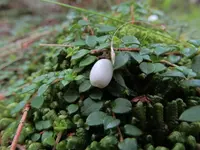
Its small, translucent to whitish berries are eaten by birds, which then disperse the seeds through their droppings, helping maintain shrub populations across fragmented dry landscapes.

Goosefoot family member

Although it looks like many other desert shrubs, it belongs to the family Amaranthaceae (formerly Chenopodiaceae), making it a relative of plants such as goosefoots and saltbushes, which are often tolerant of dry or saline soils.

FAQs about devilqueen

Growth is generally slow to moderate. In suitable dry, sunny conditions, this shrub may add around 15–30 cm of new growth per year. Poor soil, shade, or excess water can reduce vigor and overall growth rate.

Grow Healthy Plants with Botan Care

Keep your plants happy and healthy with plant identification, disease detection, and easy care guidance.


Botan plant care app — identify plants on mobile

Explore More Plants