Flexuose Bramble Care (Rubus saltuum)

Flexuose Bramble

About Flexuose Bramble

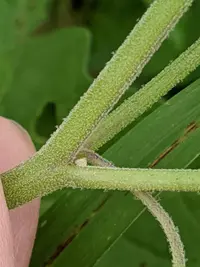
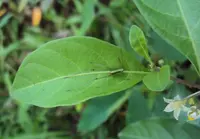
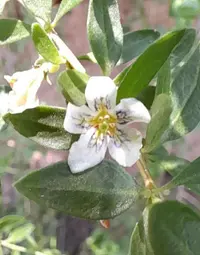
Rubus saltuum, often called flexuose bramble, is a wild bramble species in the rose family. It grows as an arching, thorny shrub with slender, bending canes. Leaves are typically divided and slightly textured, and the plant produces small white to pale pink flowers followed by dark aggregate fruits. It is native to parts of Europe, usually found in hedgerows, woodland margins, and rough, semi-shaded ground. This species behaves much like other brambles, spreading by arching stems that root where they touch the soil, so it can become dense if not managed. Gardeners who care for Flexuose Bramble usually find it hardy and adaptable, but it needs space and some pruning control. It prefers well-drained soil with moderate moisture and at least some sun.

Main Plant Requirements

Care Difficulty

Moderate Care

Light Preference

Partial Sun

Water Requirements

Moderate Water

Temperature Preference

Cool Climate

Hardiness Zone

5–8

Soil Texture

Loamy, Sandy, Organic-rich

Soil pH

Acidic (5.5–6.5), Slightly acidic (6.5–7.0)

Soil Drainage

Moist but well-drained

Fertilization

Minimal (feed rarely)

Get Personalized Care Plan

Scan your plant to receive care tips personalized for your specific plant

Available on iOS and Android

How to Care for the Flexuose Bramble

Rubus saltuum performs best with consistent direct light but tolerates some shade in hot climates.

  • Provide 4–6 hours of direct sun, ideally morning sun with light afternoon shade to reduce leaf scorch risk.
  • Tolerates partial shade, especially in summer; sites with dappled light under open trees suit Flexuose Bramble in warmer regions.
  • In cooler climates, favor full sun to ripen fruit well; avoid deep shade, which causes weak growth, long spindly canes, and reduced flowering.

Rubus saltuum prefers evenly moist, free-draining soil rather than constant saturation.

  • Water when the top 3–5 cm of soil feels dry, giving a slow, deep soak so moisture reaches the root zone.
  • Increase monitoring in hot, windy periods; wilting at midday that improves by evening suggests mild drought, while yellowing, soft leaves signal overwatering.
  • Plant in well-drained loam or sandy soil; avoid spots where water stands after rain to reduce root rot and cane dieback.

This bramble is cold hardy yet grows most vigorously in moderate temperatures.

  • Active growth is strongest at 60–75°F (16–24°C), with good flowering and fruiting in prolonged mild conditions.
  • Dormant plants typically tolerate down to about 0°F (-18°C) once established, though young canes benefit from mulch protection in colder zones.
  • In hot spells above 90°F (32°C), provide extra mulch and soil moisture; combined heat and drought cause leaf scorch and poor fruit set.

Humidity plays a minor role for Rubus saltuum, which adapts to most outdoor conditions in its range.

  • Target 40–60% humidity, typical of outdoor air, which is sufficient for Flexuose Bramble growth and fruiting.
  • Plants tolerate short dry spells but may show crisp leaf edges and slowed shoot growth if exposed to very hot, arid winds.
  • Increase local humidity slightly by mulching the root zone and avoiding heat-reflective hard surfaces directly around the plant.

Rubus saltuum prefers moderately moist, well-drained, fertile soil that does not stay waterlogged.

  • Use a loamy, crumbly medium with high organic matter to support steady moisture and nutrient availability.
  • Aim for slightly acidic to neutral pH around 6.0–7.0, avoiding strongly alkaline or saline substrates that restrict nutrient uptake.
  • Mix garden loam with compost and coarse sand or fine bark to balance water retention with rapid drainage and root aeration.
  • Avoid compacted clay, heavy peat-only mixes, or spots where water pools after rain, since these conditions promote root problems.

This species can be grown in containers if the pot is large, stable, and drains efficiently.

  • Choose a deep, wide container to accommodate vigorous roots and lateral suckering without quick crowding.
  • Use a heavy or weighted pot material to prevent tipping as arching canes and fruit increase the top load.
  • Elevate the container slightly off the ground so drainage holes stay clear and runoff moves away from the root zone.

Rubus saltuum usually thrives in moderately fertile soil, so heavy feeding is unnecessary.

  • In ground, apply a light layer of garden compost or well-rotted manure around the root zone once in early spring.
  • Where soil is poor, use a balanced slow-release fertilizer (around 10-10-10) at half label rate at the start of the growing season.
  • Avoid feeding after midsummer so new growth hardens before winter and reduces frost damage.
  • For Flexuose Bramble in containers, use a diluted balanced liquid feed at 1/2 strength every 4–6 weeks in spring–early summer only.

Pruning Rubus saltuum maintains a manageable thicket and supports healthy, productive canes.

  • Prune in late winter or very early spring before buds break, when cane structure is easy to see.
  • Remove dead, diseased, or damaged canes at ground level using clean, sharp bypass pruners or loppers.
  • Thin crowded canes, keeping the strongest, well-spaced stems to improve air flow and light penetration.
  • Shorten overly long lateral branches to maintain shape and encourage sturdy flowering and fruiting shoots.

This bramble is usually grown in the ground, so focus on thoughtful transplanting rather than frequent repotting.

  • Transplant in late fall or early spring when the plant is dormant and soil is workable.
  • Look for signs such as crowded suckers, poor vigor, or roots circling a container if grown in a pot.
  • Lift with as much root ball as possible, keep roots shaded and moist, and plant at the same soil depth in the new site.
  • Water deeply after transplanting and maintain even soil moisture for several weeks to limit root stress and improve establishment.

Rubus saltuum is commonly propagated to expand thickets or establish new rows.

  • Use simple layering in spring: bend a flexible cane to the ground, pin a section under soil, and sever once rooted.
  • Divide rooted suckers in early spring or fall, replanting them promptly at the same depth in prepared soil.
  • Take semi-ripe cuttings in early summer, root them in a free-draining mix, and maintain high humidity and bright, indirect light.
  • Seeds can be sown after cold stratification, but this method is slower and less uniform than vegetative propagation.

This bramble is generally cold hardy and often needs only minimal winter care in typical temperate climates.

  • Tolerates moderate frost once established, especially in well-drained soil.
  • Apply a 5–8 cm layer of organic mulch around the root zone in late fall, keeping it slightly away from stems.
  • In very cold or exposed sites, tie canes loosely and use a breathable fabric barrier to reduce wind and ice damage.
  • Move container-grown plants into a sheltered, unheated area to prevent root freezing and waterlogging.

Care Tips

Install sturdy support

Set up strong wires, trellis panels, or horizontal wires along a fence before planting so new canes can be tied in loosely as they grow, which keeps the plant accessible and reduces damage when harvesting or pruning.

Annual cane selection

Each late winter, clearly mark and retain only the healthiest 4–6 new canes per plant and remove weak, crowded, or crossing canes at the base to improve airflow, reduce fungal issues, and concentrate energy into better fruiting wood.

Layering for propagation

To easily propagate new plants, pin a flexible, healthy cane tip into shallow soil in late summer, keep it evenly moist, then sever and transplant the rooted section the following spring to expand a productive row.

Mulch for cane safety

Apply a 5–8 cm layer of coarse organic mulch in the row to cushion low canes from soil splash, suppress weeds that compete for water, and make moving around the plant safer when working among thorns.

Targeted pest monitoring

From spring to early summer, inspect young shoots and developing fruit weekly for aphids, cane borers, and raspberry beetles, and remove or prune out affected shoots early to avoid larger infestations when growing Flexuose Bramble.

Common Pests and Diseases

Raspberry beetle

This pest damages flower buds and developing fruits, causing misshapen, dry berries with small white larvae inside. Symptoms include brown patches on fruit tips and reduced harvest quality.

Solution

Monitor flower clusters in spring and shake stems over a white sheet to check for adults; remove and destroy infested fruit. In gardens, encourage birds and predatory insects, use fine mesh over plants at flowering if beetles are a recurring problem, and keep nearby wild Rubus growth thinned to reduce overwintering sites.

Cane blight

This disease causes dark, sunken lesions on canes, often starting where side shoots or pruning cuts were made, and can lead to cane dieback. Symptoms include brittle, cracked stems and reduced vigor in affected canes.

Solution

Cut out and remove infected canes back to healthy tissue during dry weather, disinfecting tools between cuts. Avoid wounding canes, improve airflow by proper spacing and tying, and avoid overhead watering to keep stems as dry as possible, especially after pruning.

Raspberry spur blight

This disease produces purplish-brown, wedge-shaped spots around leaf bases and buds, which later turn gray and can weaken canes. Symptoms include premature yellowing and drop of the lower leaves and poor fruiting on affected canes the following season.

Solution

Remove and destroy heavily infected canes after harvest and thin overcrowded stems to improve air movement. Keep the base of the plant free of dense weeds, avoid wetting foliage, and use clean, sharp tools when pruning to reduce entry points for infection.

Raspberry cane borer

This pest tunnels inside canes, causing wilting and drooping of shoot tips that often bend down in a characteristic shepherd’s crook shape. Symptoms include two distinct ring-like girdles on the cane just below wilted tips.

Solution

As soon as wilted tips are noticed in early summer, cut canes 10–15 cm below the lowest girdle and destroy the removed sections to kill larvae. Maintain a diverse planting area to encourage natural predators and remove wild brambles nearby that can serve as reservoir hosts.

Aphids

These insects cluster on young shoots and leaf undersides, sucking sap and causing leaf curl, yellowing, and sticky honeydew that can attract sooty mold. This pest can also transmit viruses between plants.

Solution

Spray colonies off with a strong stream of water and pinch off heavily infested shoot tips. Encourage lady beetles and lacewings, use insecticidal soap on thorough coverage of stems and leaf undersides, and avoid excess nitrogen fertilizer that promotes very soft, aphid-prone growth when considering Rubus saltuum care instructions.

Interesting Facts

Taxonomic uncertainty

Rubus saltuum belongs to a notoriously complex genus where many micro-species are difficult to separate, and some authorities treat it as part of an aggregate rather than a clearly independent species.

Localized distribution

This bramble has a restricted and patchy natural range compared with many widespread Rubus species, and it is often associated with specific regional floras rather than being broadly naturalized.

FAQs about Flexuose Bramble

This species spreads by arching, rooting canes and sometimes by bird-dispersed seed. In suitable conditions it can form dense thickets, so edging, timely pruning, and root barriers help prevent unwanted spread into paths or neighboring plantings.

Grow Healthy Plants with Botan Care

Keep your plants happy and healthy with plant identification, disease detection, and easy care guidance.

Botan plant care app — identify plants on mobile

Explore More Plants