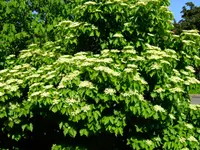
glory wattle Care (Acacia spectabilis)

Also known as: mudgee wattle, Pilliga Wattle
glory wattle

About glory wattle

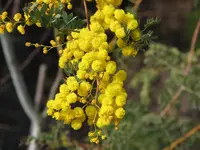
Glory wattle (Acacia spectabilis) is an Australian shrub or small tree known for its bright yellow, ball-shaped flower clusters and fine, feathery foliage. It usually forms an open, rounded canopy and creates a strong visual display when in bloom.

In nature, it occurs mainly in eastern Australia, often in dry forests and open woodland. It grows fast and adapts well to poor, sandy, or rocky soils, which can make it easier to establish than many ornamentals.

To care for glory wattle successfully, provide plenty of sun, good drainage, and protection from heavy, prolonged frost. Once established, it usually tolerates dry spells better than constant moisture.

Main Plant Requirements

Care Difficulty

Moderate Care

Light Preference

Full Sun

Water Requirements

Low Water

Temperature Preference

Warm Climate

Hardiness Zone

9–11

Soil Texture

Sandy, Loamy, Rocky

Soil pH

Acidic (5.5–6.5), Slightly acidic (6.5–7.0)

Soil Drainage

Well-drained

Fertilization

Minimal (feed rarely)

Get Personalized Care Plan

Scan your plant to receive care tips personalized for your specific plant

Available on iOS and Android

How to Care for the glory wattle

This Australian shrub prefers bright, open conditions to develop dense foliage and abundant blooms.

  • Provide full sun for 6–8 hours daily; light morning sun plus mild afternoon sun promotes compact, floriferous growth in glory wattle.
  • Tolerates light partial shade, especially in hot inland areas, but flowering and branch strength decrease if it receives under 4–5 hours of direct light.
  • In hot summers, avoid harsh reflected heat from walls or paving; young plants may scorch, so use temporary light shade cloth during extreme heat waves.

This species is drought-tolerant once established and prefers infrequent, deeper watering over light, frequent drinks.

  • Water when the top 5–8 cm of soil are completely dry; in free-draining ground this often means long intervals between soakings after establishment.
  • Use sharply drained, sandy or gravelly soil so water runs through within seconds; Acacia spectabilis is prone to root rot if the root zone stays wet for more than 1–2 days.
  • In the first 1–2 growing seasons, watch foliage: dull, folding leaves signal thirst, while yellowing, soft new growth often indicates overwatering.

This wattle prefers warm, mild climates and does not tolerate hard frost.

  • Optimal growth occurs around 65–80°F (18–27°C), matching many coastal and mild inland climates with low to moderate humidity.
  • Mature plants may survive brief drops to about 25–28°F (-4 to -2°C), but repeated or prolonged freezes damage young shoots and flower buds.
  • Handles dry heat up to 95–100°F (35–38°C) if soil is not waterlogged; avoid frost pockets and cold wind exposure, especially during the first 2–3 years.

This species tolerates a wide humidity range and usually does not need special humidity management indoors or outdoors.

Acacia spectabilis prefers free-draining, sandy or loamy soil that mimics its naturally dry habitat.

  • Use a sandy loam mix with 40–60% mineral content, such as coarse sand and fine gravel, to prevent water retention around the roots.
  • Incorporate a modest amount of compost or aged bark (10–20%) for structure, but avoid peat-heavy mixes that stay wet for long periods.
  • Aim for slightly acidic to neutral pH, around 6.0–7.0, and avoid strongly alkaline or saline conditions that can restrict nutrient uptake.
  • Improve aeration and drainage by mixing in perlite or pumice, and never plant in compacted, clay-based soil that can cause root rot.

This species can be grown in containers for a limited period, especially in its juvenile stage.

  • Choose a deep, heavy container that resists tipping, as the upright woody growth becomes top‑heavy in wind or on balconies.
  • Use a very fast-draining mix and elevate the pot on feet or bricks so runoff clears quickly after watering.
  • Select a light-colored pot material outdoors to reduce root-zone overheating in full sun, which can stress this drought-adapted shrub.

Acacia spectabilis benefits from modest feeding in containers but established plants in the ground often need little added fertilizer.

  • Use a balanced slow-release fertilizer or well-rotted compost in early spring as new growth begins.
  • Apply at 1/2 strength for container plants to avoid excess nitrogen, which can cause weak, lanky growth.
  • Feed once more in mid-summer if growth is pale or stunted, then stop.
  • In winter or dormancy, do not fertilize; allow the plant to rest.

Acacia spectabilis responds well to light, timed pruning that maintains structure and flowering.

  • Prune just after main flowering flush, before new buds form for the next season.
  • Remove dead, diseased, or crossing branches using clean, sharp bypass pruners or loppers.
  • Shorten overly long, leggy shoots to keep a balanced, wind-resistant canopy.
  • Avoid heavy cuts into old wood, which may not reshoot and can reduce bloom.

This species is usually grown in the ground, so focus on careful transplanting of young plants rather than frequent repotting.

  • Transplant in late winter to early spring when soil is workable and before vigorous growth starts.
  • Look for roots circling the pot or water running straight through as signs a nursery plant needs a larger hole or container.
  • Move up only 1–2 pot sizes, tease out circling roots gently, and keep the native soil profile intact.
  • Water deeply after planting, then keep soil slightly moist for several weeks to limit transplant shock.

Acacia spectabilis is most reliably propagated from seed under warm, bright conditions.

  • Collect ripe seeds, then scarify by nicking the coat or pour near-boiling water over them and soak 12–24 hours.
  • Sow in a free-draining, sandy mix and keep at 65–75°F with good light for germination.
  • Late winter to early spring is the best time so seedlings can establish through the growing season.
  • Semi-hardwood cuttings are possible but root less reliably and require bottom heat and high humidity.

This species suits mild, frost-free climates and needs thoughtful winter care in colder regions.

  • Established plants tolerate brief light frosts but can suffer damage below about 25°F, especially when young.
  • Apply a 5–8 cm layer of mulch around the root zone, keeping it slightly away from the trunk base.
  • In cold zones, grow Acacia spectabilis in large containers and move under cover or indoors before hard frosts.

Care Tips

Early wind training

In the first 1–2 years, allow moderate wind exposure or gently stake the young plant with some movement so it flexes, which encourages a stronger trunk and better anchoring for long-term stability.

Root run management

When planting near hard surfaces or shallow utilities, use a root barrier rated for trees to direct roots downward and away from structures, since this species can develop a wide, vigorous root system in suitable soils.

Low-branch retention

Do not remove too many lower branches in the early years; keeping some low growth protects the young trunk from sunscald and helps the plant build a stronger canopy before any structural pruning.

Mulch for soil cooling

Apply a 5–8 cm layer of coarse, woody mulch in a wide ring, keeping it a few cm away from the trunk, to keep the root zone cooler, conserve moisture, and reduce weeds around the plant.

Flowering wood renewal

After flowering, selectively thin out a portion of older, congested interior branches rather than just tip-pruning, which improves light penetration and promotes fresh flowering wood, an important step in caring for glory wattle over many seasons.

Common Pests and Diseases

Acacia psyllids

These insects are tiny sap-sucking bugs that cause leaf curling, yellowing, and sticky honeydew that can lead to sooty mold. This pest is common on many Australian acacias and can cause noticeable thinning of foliage on glory wattle.

Solution

Prune and dispose of heavily infested shoots, then hose down foliage to remove nymphs and honeydew. For ongoing problems, use repeated applications of insecticidal soap or a light horticultural oil on the undersides of leaves, and avoid high-nitrogen fertilization that encourages soft new growth attractive to psyllids.

Gall-forming wasps

These insects induce swollen, often rounded galls on stems or along leaf stalks, which can distort growth but rarely kill established plants. Symptoms include lumpy, irregular tissue that may crack or dry out over time.

Solution

Prune out and destroy galled stems during dry weather, cutting well below visible swelling, and disinfect pruning tools between cuts. Encourage natural predators by avoiding broad-spectrum insecticides, and keep the plant vigorous with appropriate watering so it tolerates minor galling.

Armillaria root disease

This disease is caused by soilborne Armillaria fungi, leading to gradual decline, sparse foliage, dieback of branches, and eventual death in poorly drained or previously infected sites. Symptoms include white fungal mats under the bark at the base and honey-colored mushrooms near the trunk in cool, wet periods.

Solution

Remove and destroy severely affected plants, including as much of the root system and old woody debris as possible, and avoid replanting susceptible woody species in the same spot. Improve site drainage, avoid overwatering, and select a new planting area or use raised beds if the site is known to have Armillaria issues when planning how to take care of glory wattle.

Scale insects

These insects appear as small, fixed bumps on stems and leaf stalks, producing honeydew that encourages black sooty mold. This pest weakens plants over time, leading to reduced flowering and general decline if populations are high.

Solution

Gently scrape or prune off heavily infested twigs, then wash stems and foliage with a strong water spray to dislodge crawlers. Apply horticultural oil during active growth to smother remaining scales, ensuring thorough coverage of stems and the undersides of leaves, and monitor regularly for reinfestation.

Interesting Facts

Winter flowering strategy

This species flowers mainly in late winter to early spring in its native eastern Australia, providing nectar and pollen for insects when many other plants are still dormant.

Showy globular blossoms

Its bright yellow flowers are arranged in dense, spherical heads along the stems, creating a conspicuous display that helps attract a wide range of pollinators over a relatively short flowering period.

Adapted to poor soils

Like many wattles, it forms root nodules with nitrogen-fixing bacteria, allowing it to grow on nutrient-poor, sandy or gravelly soils and contribute to soil improvement for surrounding vegetation.

FAQs about glory wattle

Poor flowering usually comes from plants being too young, pruned at the wrong time, or stressed by drought or nutrient-poor soil. Light pruning after flowering and steady moisture through the growing season usually improve bud formation and display.

Grow Healthy Plants with Botan Care

Keep your plants happy and healthy with plant identification, disease detection, and easy care guidance.

Botan plant care app — identify plants on mobile

Explore More Plants