Rotate Fruiting Canes
Mark 1-year-old canes with soft ties and gradually train them to a support wire or fence separate from older fruiting canes, which simplifies pruning and keeps berries better exposed to light and airflow.

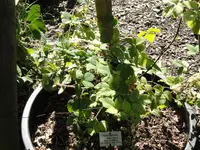
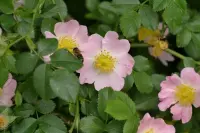
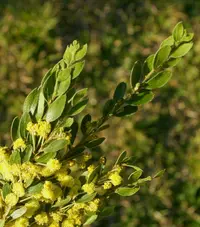
Wood bramble (Rubus silvaticus) is a deciduous, thorny shrub in the rose family, best known for forming dense thickets and producing small blackberry-like fruits. It typically has arching canes with prickles, toothed compound leaves, and white to pale pink flowers that attract many pollinators.
This species occurs naturally in woodlands, hedgerows, and forest edges across parts of Europe, often spreading by suckers and layering wherever stems touch the ground. Its vigorous growth and tolerance of poor soils make it resilient but sometimes hard to control in small gardens.
Rubus silvaticus prefers sun to light shade, moderately moist but well-drained soil, and benefits from regular pruning. Gardeners who learn how to care for Wood Bramble can use it effectively for wildlife-friendly hedges or naturalized areas.

Care Difficulty
Easy Care

Light Preference
Full Sun

Water Requirements
Moderate Water

Temperature Preference
Cold Hardy

Hardiness Zone
4–8

Soil Texture
Sandy, Loamy, Organic-rich

Soil pH
Acidic (5.5–6.5), Slightly acidic (6.5–7.0)

Soil Drainage
Moist but well-drained

Fertilization
Minimal (feed rarely)
Scan your plant to receive care tips personalized for your specific plant
Available on iOS and Android
Rubus silvaticus thrives in bright outdoor conditions with a balance of sun and shade.
This bramble prefers consistently moist, well-drained soil without staying soggy.
This species is hardy and tolerates a wide range of outdoor temperatures across temperate climates.
This species tolerates a wide humidity range and usually needs no special humidity management outdoors.
Rubus silvaticus prefers moist, well-aerated, slightly acidic to neutral soil that drains freely yet holds steady moisture.
This bramble can be grown in containers if the pot is large, heavy, and managed for root space and stability.
Rubus silvaticus is a tough woodland bramble that benefits from light feeding on poorer soils.
Pruning Rubus silvaticus maintains strong fruiting canes and prevents a tangled thicket.
This species is usually grown in the ground, so focus on careful transplanting rather than frequent repotting.
Rubus silvaticus is commonly multiplied by layering and division for consistent plants.
This hardy woodland bramble usually needs minimal winter care in most temperate climates.

Plant Health Check
Not sure what's wrong with your plant? Check your plant's health inside the app.
This bramble is native to temperate European woodlands, where it often forms thickets along forest margins and clearings, benefiting from dappled light rather than full, open exposure.
Its flowers provide nectar and pollen for many woodland insects, and the berries are eaten by birds and small mammals, which in turn help disperse the seeds through their droppings.
The plant produces long, arching, prickly canes that can root when they touch the ground, allowing it to spread vegetatively and create dense, layered growth in its natural habitat.
This species spreads by arching canes that root where they touch the ground and by bird-dispersed seed. In suitable conditions it can form dense thickets, so use barriers, regular pruning, and vigilant removal of unwanted shoots.
Keep your plants happy and healthy with plant identification, disease detection, and easy care guidance.