Mulch With Pine
Apply a 3–5 cm layer of pine bark fines or pine needles around the plant each spring to conserve moisture, keep roots cool, and maintain the acidic surface conditions this species prefers.

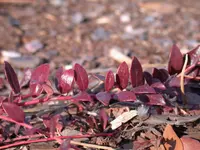
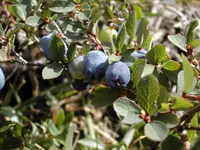
Creeping blueberry (Vaccinium crassifolium) is a low, mat-forming evergreen shrub native to the sandy pine forests and coastal plains of the southeastern United States. Its small, leathery leaves and slender, trailing stems create a dense groundcover that can slowly spread over time.
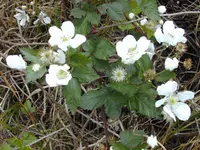
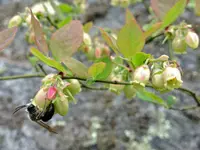
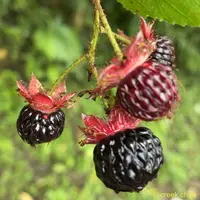
In spring, it produces delicate, urn-shaped white to pink flowers, followed by small blue berries that resemble tiny cultivated blueberries. Once established, it is relatively low-maintenance but needs acidic, well-drained soil and consistent moisture to perform well.
Understanding how to care for creeping blueberry starts with providing bright light, avoiding waterlogged conditions, and protecting it from extreme heat or drought in exposed sites.

Care Difficulty
Moderate Care

Light Preference
Partial Sun

Water Requirements
Regular Water

Temperature Preference
Cold Hardy

Hardiness Zone
6–9

Soil Texture
Sandy, Loamy, Organic-rich

Soil pH
Strongly acidic (4.5–5.5)

Soil Drainage
Moist but well-drained

Fertilization
Minimal (feed rarely)
Scan your plant to receive care tips personalized for your specific plant
Available on iOS and Android
Vaccinium crassifolium grows best in bright outdoor conditions with protection from harsh extremes of sun.
Vaccinium crassifolium prefers evenly moist, acidic, well-drained soil rather than constant saturation.
This species handles a range of outdoor temperatures but performs best in mild, temperate conditions.
This species prefers moderately moist air but usually adapts to typical outdoor humidity.
This plant needs acidic, well-drained, sandy soil that still holds some organic moisture.
This low, spreading shrub is suitable for container growing on patios or balconies.
This low-growing heath shrub needs only light feeding in poor soils to support healthy growth.
Pruning is modest but helpful for maintaining dense, healthy mats of Vaccinium crassifolium.
This species is usually grown as an in-ground groundcover, so transplanting is more relevant than container repotting.
New plants are most reliable from layering or semi-hardwood cuttings rather than seed for Vaccinium crassifolium.
This evergreen groundcover is generally cold hardy in its suitable zones and needs minimal winter attention.

Plant Health Check
Not sure what's wrong with your plant? Check your plant's health inside the app.
This species forms a dense, trailing evergreen mat with thick, leathery leaves that stay on the plant year-round in its native range of the southeastern US coastal plain.
It naturally grows in dry, acidic, nutrient-poor sandy soils of pine forests and sandhills, using fine fibrous roots and associations with mycorrhizal fungi to access limited nutrients.
Its small, dark blueberries are an important seasonal food source for songbirds and small mammals in its native habitats, even though they are seldom used as a crop for humans.

This low, creeping shrub is one of the few blueberries that functions as a true groundcover, forming extensive mats that help stabilize sandy soils and reduce erosion in coastal and pine-forest ecosystems.
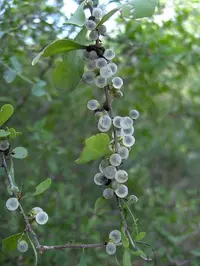
The fruits are edible and similar to other blueberries but usually smaller and produced in modest quantities. They are safe to eat when fully ripe, but are best viewed as a bonus rather than a heavy fruit crop.
Keep your plants happy and healthy with plant identification, disease detection, and easy care guidance.