Rubus croceacanthus Care

Rubus croceacanthus

About Rubus croceacanthus

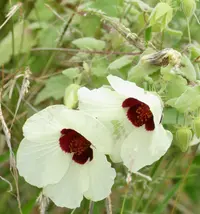
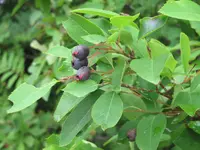
Rubus croceacanthus is a shrubby bramble in the rose family, forming dense, thorny thickets with arching canes and seasonal white to pale pink flowers followed by small fruits. It typically grows in subtropical to temperate regions of East Asia, where it occupies forest margins, slopes, and other open, sunny to lightly shaded sites.

The plant’s strong spines, vigorous suckering habit, and tolerance of poor soils make it robust but also potentially invasive in suitable climates. Gardeners who want to care for Rubus croceacanthus should allow space for its spreading habit and manage its canes to keep growth controlled.

It generally prefers well-drained soil with moderate moisture and benefits from good light exposure for flowering and fruiting.

Main Plant Requirements

Care Difficulty

Moderate Care

Light Preference

Partial Sun

Water Requirements

Moderate Water

Temperature Preference

Warm Climate

Hardiness Zone

Unknown

Soil Texture

Loamy, Sandy, Organic-rich

Soil pH

Acidic (5.5–6.5), Slightly acidic (6.5–7.0)

Soil Drainage

Moist but well-drained

Fertilization

Minimal (feed rarely)

Get Personalized Care Plan

Scan your plant to receive care tips personalized for your specific plant

Available on iOS and Android

How to Care for the Rubus croceacanthus

This shrub prefers bright conditions with some protection from harsh midday sun.

  • Provide 6–8 hours of direct sun daily, ideally with morning sun and light afternoon shade for best growth and fruiting of Rubus croceacanthus.
  • In hot summers, use partial shade or filtered light from 12–4 pm to reduce leaf scorch and moisture stress, especially on young plants.
  • In cooler climates, choose an open, south- or west-facing site; in very cloudy regions, avoid dense shade, which leads to weak, leggy canes and poor flowering.

This bramble likes steady soil moisture but reacts poorly to waterlogged ground.

  • Water when the top 3–5 cm of soil feels dry, aiming for consistently moist, not soggy, conditions during active growth and fruiting.
  • Use well-drained soil or mounded rows; persistent puddling, sour smell, or yellowing, limp leaves indicate overwatering and poor aeration around roots.
  • Reduce watering frequency in late fall and winter, giving just enough to prevent complete drying; wilting, crisp leaf edges, and shriveling canes signal underwatering in Rubus croceacanthus plantings.

This species is adapted to temperate climates with cool winters and mild to warm summers.

  • Optimal growing temperatures are 60–80°F (16–27°C), with strong cane and fruit development in the 65–75°F (18–24°C) range.
  • Plants tolerate short dips to about 10°F (-12°C) when fully dormant, but young growth and flowers are damaged by late frosts below 28°F (-2°C).
  • During hot spells above 90°F (32°C), provide mulch and some afternoon shade to protect roots and canes, as prolonged heat can reduce flowering and fruit quality.

This species tolerates a fairly wide humidity range but benefits from slightly moist air in heated homes.

  • Aim for 40–60% humidity to limit leaf edge browning and keep growth even.
  • Tolerates short spells of drier air, but prolonged <30% humidity can cause crisping tips and slower shoot development.
  • Increase humidity with a nearby pebble tray or grouped plants rather than misting, which adds only brief surface moisture.

Rubus croceacanthus prefers loose, moist, well-drained soil that stays aerated around the root zone.

  • Use a loamy mix: 40–50% garden soil or commercial planting mix, 30–40% compost, and 10–20% coarse sand or fine grit for structure.
  • Ensure drainage is rapid enough that water does not sit around roots longer than 30–60 minutes after watering.
  • Target a slightly acidic pH around 5.5–6.5, which supports nutrient uptake and healthy cane growth.
  • Avoid compacted clay, heavy peat-only mixes, or spots where water regularly pools, as these conditions increase root rot risk.

This species can be grown in containers if the pot is chosen to support its vigorous, thorny canes.

  • Select a deep, heavy container that resists tipping as canes lengthen and fruit adds weight on one side.
  • Choose a pot material with moderate moisture retention, such as thick-walled plastic or glazed ceramic, to buffer against rapid drying in sun and wind.
  • Elevate the container slightly on pot feet so drainage holes remain clear and excess water escapes quickly after rain or irrigation.

This species benefits from light, targeted feeding but often thrives in reasonably fertile garden soil without heavy inputs.

  • Apply a balanced granular or slow-release fertilizer (around 10-10-10) at 1/2 label strength once in early spring as new growth starts.
  • In poorer soils, supplement with a thin layer of well-rotted compost around the root zone, keeping it away from the stems.
  • Avoid high-nitrogen products that push soft, weak shoots; aim for moderate, steady growth instead.
  • Stop feeding Rubus croceacanthus by late summer and do not fertilize in winter, when the plant is dormant.

Pruning helps maintain structure, control spread, and support healthy flowering and fruiting in Rubus croceacanthus.

  • Carry out main pruning in late winter to very early spring, before strong new growth starts.
  • Remove dead, diseased, or damaged canes at ground level using clean, sharp bypass pruners or loppers.
  • Thin out crowded or very old canes to open the center, improving air flow and reducing fungal disease risk.
  • Shorten remaining canes to shape the plant and manage height, cutting just above outward-facing buds.

This bramble is usually grown in the ground, so focus on careful transplanting rather than frequent container repotting.

  • Transplant in late fall or early spring when the plant is dormant to limit stress and moisture loss.
  • Look for signs such as slow growth, congestion, or roots circling a container base if growing in pots.
  • Lift with as much root ball as possible, keep roots shaded and moist, and replant at the same depth in well-drained soil.
  • Water thoroughly after planting, then keep soil evenly moist for several weeks to support new root establishment.

Gardeners commonly propagate this species vegetatively to maintain identical plants and consistent growth habits.

  • Use tip or simple layering in spring to early summer; pin a flexible cane to the soil and sever it once roots form.
  • Take semi-ripe stem cuttings in late spring to mid-summer and root them in a free-draining mix under high humidity.
  • Divide established clumps in early spring or late fall, ensuring each division carries healthy buds and roots.
  • Sow fresh seeds in autumn outdoors or cold-stratify in a fridge for several weeks, then germinate in a cool, bright place.

This hardy shrub generally tolerates typical winters in many temperate regions, needing only modest protection in colder areas.

  • Rubus croceacanthus withstands light to moderate frost once established, though young plants are more vulnerable.
  • Apply a 5–8 cm layer of organic mulch around the root zone in late fall, keeping it slightly away from canes.
  • In very cold or exposed sites, loosely tie canes together and use windbreak fabric to limit desiccation and breakage.
  • Move container-grown plants into a sheltered, unheated space where temperatures stay just above freezing and soil does not dry out completely.

Care Tips

Install sturdy trellis

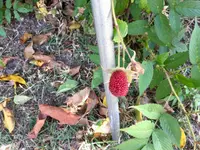
Provide a rigid wire or timber trellis early in the plant’s life and loosely tie new canes as they extend, so arching stems are supported and fruiting wood is held off the ground for cleaner harvests and better airflow.

Label cane age

Use weatherproof tags or colored ties to mark first-year and second-year canes, which makes it much easier to remove only the spent fruiting canes after harvest and maintain a productive framework when growing Rubus croceacanthus.

Mulch for cane protection

Apply a 5–8 cm layer of coarse organic mulch around but not touching the crowns to keep roots cool, reduce weed competition, and protect basal buds from desiccation and light mechanical damage.

Targeted pest scouting

Inspect the undersides of leaves and young shoots every 7–10 days during active growth, focusing on aphids, mites, and cane borers, and remove or prune out localized infestations before considering any broader treatment.

Sanitize pruning tools

Dip or wipe pruners in 70% isopropyl alcohol between plants and after cutting any suspect cane tissue to limit the spread of fungal cane blights or bacterial infections through the planting.

Common Pests and Diseases

Raspberry cane borer

This pest is a small beetle whose larvae tunnel inside young canes, causing wilting and dieback of shoot tips in late spring to early summer.

Solution

Prune out wilted shoot tips 15–20 cm below the lowest visible damage as soon as they appear and destroy the cut material. Maintain good plant vigor, avoid excessive nitrogen that encourages soft growth, and remove wild Rubus nearby to reduce overwintering sites.

Raspberry cane blight

This disease causes dark, sunken lesions on canes, often following pruning or mechanical injury, and can lead to sudden cane wilt and poor fruiting the following season.

Solution

Cut out and destroy blighted canes to ground level during dry weather and avoid leaving stubs when pruning. Disinfect pruning tools between plants, improve spacing and airflow, and avoid overhead irrigation to keep canes as dry as possible.

Spur blight

This disease produces purple to brown spots around leaf bases and buds on primocanes, leading to dead buds and shortened fruiting laterals.

Solution

Remove and destroy affected canes during dormant pruning, focusing on those with heavy spotting and dead buds. Keep rows narrow, control weeds for better airflow, and use drip irrigation rather than sprinklers to reduce leaf wetness duration, which is central to effective Rubus croceacanthus care instructions.

Raspberry fruitworm

These insects are small beetles whose larvae feed inside developing flower buds and green berries, causing misshapen fruit and reduced yield.

Solution

Hand-pick adult beetles from foliage in early spring and shake canes over a sheet to remove them where feasible. Encourage natural predators, keep the planting free of dense weeds where adults shelter, and remove heavily infested fruit clusters to break the life cycle.

Spider mites

These pests are tiny sap-feeding arachnids that cause fine speckling, bronzing, and eventual drying of leaves, especially in hot, dry weather.

Solution

Spray foliage thoroughly with a strong stream of water to dislodge mites and repeat every few days during outbreaks. Increase humidity around the plants where possible, avoid drought stress, and use horticultural oil or insecticidal soap directed at the undersides of leaves if populations remain high.

Interesting Facts

Endemic to Taiwan

This bramble species is native and restricted to Taiwan, where it is naturally found in montane forests and scrub, often on slopes and forest margins.

Striking orange prickles

The species name croceacanthus refers to its distinctive orange to yellowish spines, which stand out against the green stems and help distinguish it from many other Rubus species.

Habitat for wildlife

Like many brambles, it provides structural cover and perching sites for small animals in its native range, and its flowers and fruits contribute to local food webs for insects and vertebrates.

FAQs about Rubus croceacanthus

This species spreads by arching canes and underground suckers, so it can form dense thickets over time. Use root barriers, regular pruning, and removal of unwanted shoots to keep it within its designated area.

Grow Healthy Plants with Botan Care

Keep your plants happy and healthy with plant identification, disease detection, and easy care guidance.

Botan plant care app — identify plants on mobile

Explore More Plants