Cool-root mulching
Apply a 3–5 cm layer of pine needles or fine bark around the root zone to keep the shallow roots cool, suppress weeds, and maintain the slightly acidic conditions this species prefers.

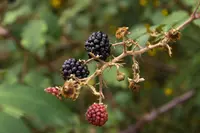
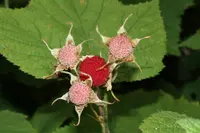
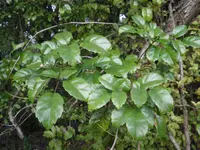
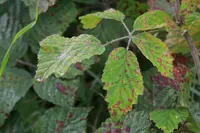
Arctic raspberry, Rubus arcticus, is a low-growing perennial berry plant from cold northern regions of Europe, Asia, and North America. It forms small clumps with creeping stems and finely divided leaves.
The plant produces delicate pink flowers that develop into small, bright red berries valued for their strong aroma and flavor. It usually grows in cool, moist meadows, open woodlands, and tundra edges.
Rubus arcticus can be challenging outside its natural climate, as it prefers cool summers, consistent moisture, and acidic, humus-rich soil. Understanding how to care for arctic raspberry begins with providing stable cool conditions and avoiding heat stress.

Care Difficulty
Hard Care

Light Preference
Partial Shade

Water Requirements
Keep Soil Moist

Temperature Preference
Cold Hardy

Hardiness Zone
1–6

Soil Texture
Loamy, Peaty, Organic-rich

Soil pH
Strongly acidic (4.5–5.5), Acidic (5.5–6.5)

Soil Drainage
Moist but well-drained

Fertilization
Minimal (feed rarely)
Scan your plant to receive care tips personalized for your specific plant
Available on iOS and Android
This low-growing berry prefers cool conditions with gentle, consistent light for strong growth and fruiting.
This boreal species needs steadily moist but not waterlogged soil throughout the growing season.
This species is naturally adapted to cool climates and dislikes prolonged heat.
This species prefers cool, moderately moist air but usually does not need special humidity control outdoors.
This plant needs consistently moist, cool, acidic, well-drained soil to thrive.
This species can be grown in containers if moisture and root space are managed carefully.
This boreal species needs modest feeding in ordinary, humus-rich soil.
Rubus arcticus benefits from light, precise pruning to keep low mats healthy and productive.
This species is usually grown in the ground, so focus on careful transplanting rather than frequent repotting.
Rubus arcticus is commonly propagated by division or layering, which preserves desirable local forms.
This low shrub is naturally cold hardy and usually needs minimal winter care in northern climates.

Plant Health Check
Not sure what's wrong with your plant? Check your plant's health inside the app.
This species often reproduces clonally through creeping rhizomes, forming long-lived patches even where seed set is low due to short, cold summers.
It has a circumpolar distribution but occurs mainly in small, scattered populations across northern Europe, Siberia, and parts of North America, reflecting strict habitat and climate requirements.
Despite its small, fragile-looking leaves and flowers, the plant survives extreme cold and is naturally adapted to bogs, tundra margins, and boreal forest clearings with long winters and short growing seasons.
In parts of northern Sweden and Finland, the aromatic berries of this species are considered a regional delicacy and are traditionally used to produce high-value preserves and liqueurs, making them one of the most culturally prized wild berries of the far north.
This species spreads slowly by short rhizomes and forms low, patchy clumps rather than carpets. It is not considered aggressive. In garden settings it usually needs protection from competition rather than containment measures like barriers.
Keep your plants happy and healthy with plant identification, disease detection, and easy care guidance.