cloudberry Care (Rubus chamaemorus)

Also known as: baked apple berry, four-leaved mare's tail, salmonberry, bakeapple
cloudberry

About cloudberry

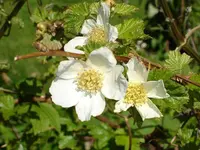
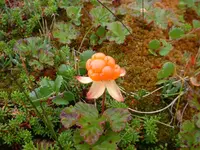
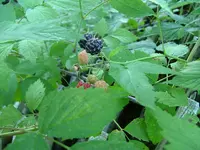
Cloudberry, Rubus chamaemorus, is a low-growing perennial from cool northern bogs and tundra. It forms loose clumps with soft, maple-like leaves and single white flowers.

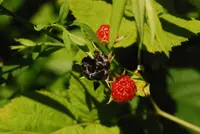
Each flower usually produces one amber-gold berry, prized for its rich flavor and high vitamin C content. Plants spread slowly by rhizomes and rarely form dense mats.

In nature, cloudberry grows in cold climates with long winters and cool summers, especially in peat bogs and open, mossy wetlands. Its need for cold, acidic, consistently moist soil makes it challenging to cultivate, so learning how to care for cloudberry is important for success.

Main Plant Requirements

Care Difficulty

Hard Care

Light Preference

Full Sun

Water Requirements

Keep Soil Moist

Temperature Preference

Cold Hardy

Hardiness Zone

2–6

Soil Texture

Peaty, Sandy, Organic-rich

Soil pH

Strongly acidic (4.5–5.5)

Soil Drainage

Moist but well-drained

Fertilization

Minimal (feed rarely)

Get Personalized Care Plan

Scan your plant to receive care tips personalized for your specific plant

Available on iOS and Android

How to Care for the cloudberry

This boreal species prefers cool, bright conditions with protection from intense midday sun.

  • Provide 4–6 hours of direct morning sun with light or dappled shade in the afternoon, similar to open bog or tundra edges.
  • Tolerates bright overcast or high, filtered light; dense shade reduces flowering and fruiting in cloudberry patches.
  • In hot summers, shield plants from strong sun between 11 am–3 pm to prevent leaf scorch and moisture stress, especially in dry, exposed sites.

Rubus chamaemorus thrives in consistently moist, never stagnant, acidic soil.

  • Aim for soil that feels evenly damp to at least 5–8 cm depth; the surface may dry slightly but deeper layers should not dry out fully.
  • Increase watering during hot, windy periods, using slow, deep applications; reduce slightly in cool, rainy weather or when soil stays wet for several days.
  • Yellowing, limp leaves and a sour smell indicate overwatering or poor drainage, while crisp edges and drooping despite moist air suggest underwatering.

This arctic–subarctic plant is adapted to cool summers and very cold winters.

  • Active growth is strongest around 50–65°F (10–18°C), with acceptable performance down to about 40°F (4°C) during cool spells.
  • The plants tolerate winter cold below -40°F (-40°C) under snow cover, so frost is not usually harmful in the dormant season.
  • Prolonged heat above 75–80°F (24–27°C) can reduce vigor; provide shade and ample moisture during hot periods to reduce stress and support growing cloudberry.

This species prefers cool, moist air but usually adapts to typical outdoor humidity in temperate climates.

  • Aim for 50–80% humidity, especially in warm spells, to mimic its native bog and tundra conditions when caring for cloudberry.
  • Plants tolerate brief dry air, but prolonged humidity below 40% combined with heat can slow growth and cause leaf edge browning.
  • Low humidity stress shows as dull, slightly curled leaves; increase moisture with nearby water trays or light, regular misting during hot, dry weather.

Rubus chamaemorus needs consistently moist, acidic, organic-rich soil that stays airy and never waterlogged.

  • Use a mix of 50–70% sphagnum peat or fine pine bark with sand and a small amount of compost to mimic peat bog conditions.
  • Ensure drainage is free but not rapid; soil should stay evenly damp, never forming puddles or drying out to dust.
  • Target a pH of 4.0–5.5; avoid adding lime or alkaline amendments that raise pH above this acidic range.
  • Improve aeration and structure by blending coarse sand or fine grit through the mix while avoiding heavy clay, manure-rich, or compacted substrates.

This species can be grown in containers if the pot is deep, cool, and kept evenly moist like a mini bog.

  • Choose a tall, insulated pot (thick plastic or double-walled) to keep roots cool and maintain steady moisture in summer sun.
  • Set the container inside a larger cachepot or tray filled with damp sand to extend moisture around the root zone without submerging the drainage holes.
  • Space plants so runners have surface room to spread, using a wide pot to prevent overcrowding and uneven moisture pockets.

This boreal berry shrub needs only light feeding in cultivation, as it is adapted to nutrient-poor soils.

  • Use a low-strength, balanced fertilizer (for example 10-10-10) at 1/4–1/2 label rate, or apply a thin layer of compost in early spring.
  • Feed once at the start of active growth, then again mid-season if plants show pale foliage or weak growth.
  • Keep fertilizer away from the crown and stems, and water thoroughly after application to avoid root burn.
  • Do not feed cloudberry during late fall or winter dormancy, as extra nutrients can disrupt natural rest.

Pruning needs for Rubus chamaemorus are minimal and focus on hygiene rather than reshaping the plant.

  • Carry out pruning in late winter or very early spring, before new growth starts.
  • Remove dead, diseased, or winter-damaged stems at ground level using clean, sharp pruners or scissors.
  • Thin out any crowded or crossing stems to improve air flow and reduce fungal problems.
  • Avoid heavy cutting back, since flowering and fruiting occur on short shoots arising from the rhizome each season.

This species is usually grown in the ground, so management focuses on careful transplanting rather than frequent repotting.

  • Transplant in early spring or early fall, when temperatures are cool and soil moisture is stable.
  • Move plants only when necessary; signs include poor growth from exhausted soil or competition in an unsuitable site.
  • Lift with a wide root ball to keep the shallow, fibrous roots and rhizomes intact, minimizing disturbance.
  • Replant into acidic, peat-rich, consistently moist soil and water gently but deeply, then shade lightly for 1–2 weeks to limit stress.

Rubus chamaemorus can be propagated, but success depends on matching its cool, acidic, bog-like conditions.

  • Divide established clumps in early spring, ensuring each section has healthy rhizomes and several buds.
  • Plant divisions into moist, acidic, organic-rich soil, keeping roots cool and shaded until established.
  • Sow stratified seed in trays of acidic mix; provide 2–3 months of cold, moist conditions to break dormancy.
  • Maintain high humidity and consistent moisture, avoiding waterlogging, while new roots or seedlings develop.

This naturally cold-hardy species usually needs only minimal winter care in temperate and boreal climates.

  • Rubus chamaemorus tolerates freezing temperatures and snow cover once well established.
  • Apply a 3–5 cm layer of mulch around the root zone in late fall to stabilize soil temperature and moisture.
  • In containers, move pots to a sheltered, unheated but frost-moderated spot to prevent root damage from repeated freeze–thaw cycles.

Care Tips

Control Rhizome Spread

Install a shallow root barrier (20–30 cm deep) around beds to keep underground rhizomes contained and to maintain a dense but manageable patch for easier fruit harvest.

Mimic Bog Conditions

Create a dedicated bed lined with pond liner and punctured drainage holes, then fill with peat-heavy, low-nutrient mix to simulate a cool bog environment that supports long-term plant vigor.

Snow And Mulch Protection

In areas with unreliable snow cover, apply a 5–8 cm layer of loose pine needles or coarse bark over plants in late fall to protect flower buds from freeze–thaw damage without smothering the crowns.

Boost Pollination Success

Grow at least 8–10 genetically different plants in a patch and avoid using insecticides during bloom to encourage insect activity and improve fruit set on the mostly dioecious plants.

Monitor For Nutrient Stress

Check for pale, stunted growth or reddening leaves in midsummer and, if seen, top-dress lightly with an acidic, low-rate slow-release fertilizer formulated for heathers or blueberries as part of caring for cloudberry.

Common Pests and Diseases

Gray mold

This disease causes soft, water-soaked areas on berries, leaves, or stems that quickly become covered with gray, fuzzy mold, especially in cool, wet weather. Symptoms include fruit collapse and blighted flower clusters, which can sharply reduce harvests.

Solution

Remove and discard all infected berries, flowers, and leaves and avoid leaving overripe fruit on the plant. Improve air circulation by spacing plants, avoid overhead watering, and use a preventive fungicide labeled for Botrytis on Rubus crops during prolonged wet periods if disease pressure is high.

Didymella cane blight

This disease leads to dark, sunken lesions on canes, often starting at old leaf bases or wounds, and can cause partial or complete cane dieback. Symptoms include cracked bark and poor new shoot growth from affected canes.

Solution

Cut out and destroy blighted canes during dry weather, making pruning cuts into healthy tissue to reduce inoculum. Avoid mechanical injury, keep plantings on well-drained, open sites, and if growing cloudberry at scale, consider a registered cane disease fungicide program started early in the season.

Anthracnose

This disease produces small, sunken spots on young canes and leaves that may merge into larger cankers, sometimes girdling stems. Symptoms include weakened, stunted canes and poor flowering in heavily infected plants.

Solution

Prune and remove infected canes and fallen leaves to reduce the source of spores, and keep plant rows narrow to maintain good airflow. Maintain good nutrition without excess nitrogen, avoid prolonged leaf wetness, and apply an appropriate fungicide in early spring if the problem recurs regularly.

Aphids

These insects cluster on young shoots and the undersides of leaves, sucking sap and causing curling, distortion, and sticky honeydew deposits. This pest can also spread virus diseases between plants.

Solution

Spray colonies off with a strong stream of water and pinch off heavily infested shoot tips. Encourage natural predators such as lady beetles, use reflective mulches or row covers where practical, and if numbers remain high, apply an insecticidal soap or horticultural oil thoroughly to stems and leaf undersides.

Leaf spot complex

This disease group causes small, round to irregular brown or purple spots on leaves that may develop pale centers, sometimes leading to early leaf drop. Symptoms include thinning foliage and reduced vigor, especially in warm, moist conditions.

Solution

Rake and remove fallen leaves at the end of the season and avoid overhead irrigation that keeps foliage wet for long periods. Provide good spacing, use disease-free planting stock, and in plantings with a history of leaf spots, apply a labeled foliar fungicide just as new leaves emerge in spring.

Interesting Facts

Arctic cloud berry

This species is one of the few berry-producing shrubs naturally adapted to arctic and subarctic bogs and tundra, thriving in cold, waterlogged, acidic soils where many other fruit plants cannot survive.

Dioecious flower system

Cloudberry plants are dioecious, meaning individual plants bear either male or female flowers, so fruit only forms where both sexes grow close enough for insect pollination.

High-latitude vitamin source

In northern regions, cloudberries have long been valued as a rare wild source of vitamin C, traditionally used to help prevent scurvy during long winters.

Botan icon

Did you know?

In some Nordic countries and in several Canadian provinces, wild cloudberry patches are so culturally and economically important that access to picking areas is regulated by local laws or traditional rights, and in Norway the cloudberry is protected in several regions due to its high value and limited habitats.

FAQs about cloudberry

The fruit is edible and highly valued. Berries are usually eaten fresh, cooked into jams and sauces, or used in desserts and liqueurs. They are rich in vitamin C and antioxidants but have relatively large seeds.

Grow Healthy Plants with Botan Care

Keep your plants happy and healthy with plant identification, disease detection, and easy care guidance.

Botan plant care app — identify plants on mobile

Explore More Plants