Randia echinocarpa Care

Randia echinocarpa

About Randia echinocarpa

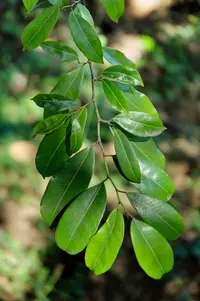
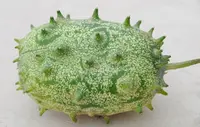
Randia echinocarpa is an evergreen shrub or small tree from dry tropical regions of Mexico. It belongs to the coffee family and forms a dense, branching habit. The plant typically carries glossy green leaves and rounded, spiny fruits that give it a distinctive, somewhat rugged appearance.

In its native habitat, it often grows in scrub or woodland with seasonal drought, which shapes its tolerance for heat and relatively poor soils. This background makes it moderately tough but not suitable for very wet or cold locations. Understanding this natural setting helps guide how to care for Randia echinocarpa, especially around light, drainage, and watering needs.

Main Plant Requirements

Care Difficulty

Moderate Care

Light Preference

Partial Sun

Water Requirements

Moderate Water

Temperature Preference

Warm Climate

Hardiness Zone

Unknown

Soil Texture

Loamy, Sandy, Organic-rich

Soil pH

Acidic (5.5–6.5), Slightly acidic (6.5–7.0)

Soil Drainage

Well-drained

Fertilization

Minimal (feed rarely)

Get Personalized Care Plan

Scan your plant to receive care tips personalized for your specific plant

Available on iOS and Android

How to Care for the Randia echinocarpa

This shrub prefers bright conditions similar to its native dry tropical habitats.

  • Provide 4–6 hours of direct morning sun with light afternoon shade; strong late-day sun in hot climates can scorch leaves and stress Randia echinocarpa.
  • In warm, dry regions, use filtered light under high trees or a shade cloth giving roughly 30–40% shade, especially from late spring to early fall.
  • If stems elongate, flowering drops, or foliage becomes sparse, light levels are too low; move to a brighter, more open site without causing midday leaf burn.

This species prefers evenly moist but never saturated soil, especially during active growth.

  • Allow the top 3–5 cm of soil to dry before deep watering, then soak the root zone thoroughly so moisture reaches 15–20 cm deep.
  • Improve drainage with sandy or loamy soil; persistent wetness, sour smell, yellowing leaves, and blackened roots indicate overwatering or poor drainage.
  • In hot, dry months, monitor more often for dull, curling, or drooping leaves as signs of thirst; in cooler seasons, lengthen the drying period between waterings.

This plant grows best in warm, frost-free climates with moderate seasonal shifts.

  • Aim for 68–86°F (20–30°C) during active growth; flowering and fruiting are most reliable within this range.
  • Protect from cold below 41°F (5°C); brief dips to 32°F (0°C) may damage young shoots, and hard frost can kill branches or the entire shrub.
  • In very hot periods above 95°F (35°C), provide afternoon shade and extra soil moisture, as prolonged extreme heat can cause leaf scorch and reduced flowering.

This species prefers moderately humid air but tolerates typical indoor levels if not extremely dry.

  • Aim for 40–60% humidity to support steady growth and flowering of Randia echinocarpa.
  • Watch for crisp leaf edges, slow bud development, or leaf drop as signs of low-humidity stress.
  • Increase humidity with a pebble tray under the pot, grouping plants, or a nearby cool-mist humidifier.

This shrub prefers a loose, well-aerated mix that drains quickly but retains some moisture.

  • Use a loamy, organic-rich base made from 2 parts peat or coco coir, 1 part compost, and 1 part perlite or coarse sand.
  • Ensure rapid drainage; water should exit the pot in seconds, with the mix feeling moist but never waterlogged afterward.
  • Target slightly acidic to neutral pH around 6.0–7.0, avoiding highly alkaline mixes that can limit nutrient uptake.
  • Improve aeration by adding fine bark chips to heavier mixes and avoid compacted garden soil or heavy clay in containers.

This species adapts well to container growing when root space and drainage are managed carefully.

  • Choose a pot slightly deeper than wide to accommodate its woody root system and reduce tipping risk as it gains height.
  • Select a heavier material like ceramic if placed outdoors to keep the container stable in wind and prevent rocking.
  • Elevate the pot on feet or bricks so drainage holes stay clear and excess water leaves the root zone quickly after rainfall or watering.

This shrub benefits from light feeding but stays healthy in reasonably fertile soil.

  • Use a balanced slow-release fertilizer (for example 10-10-10) or a thin layer of compost at the start of spring growth.
  • Feed container plants every 6–8 weeks during the growing season at half the label strength to avoid root burn.
  • Reduce or stop fertilizing in fall and winter when growth slows, especially in cooler conditions.
  • Water before and after applying fertilizer to distribute nutrients evenly and limit salt buildup.

Pruning helps keep Randia echinocarpa compact, healthy, and flowering well.

  • Carry out structural pruning in late winter or early spring before strong new growth begins.
  • Remove dead, diseased, rubbing, or inward-facing branches first to open the canopy and improve airflow.
  • Shorten overly long shoots to maintain a balanced shape and encourage denser branching and more flowers.
  • Use clean, sharp hand pruners, making angled cuts just above a bud or side branch to promote proper healing.

This species is usually grown in the ground, but container plants or young shrubs benefit from thoughtful transplanting.

  • Look for roots circling the pot, water running straight through, or slowed growth as signs a plant needs a larger container or planting site.
  • Transplant or repot in late winter to early spring, aiming for every 2–3 years in containers, before strong new growth starts.
  • Move the plant with as much intact root ball as possible, handling roots gently and avoiding heavy teasing that can stress the plant.
  • Replant at the same soil level, water thoroughly, and shade from intense sun for 7–10 days to reduce transplant shock.

Propagation of this shrub is usually done by semi-hardwood cuttings or seeds under warm, stable conditions.

  • Take semi-hardwood cuttings in late summer, 8–12 cm long, and remove lower leaves to limit moisture loss.
  • Insert cuttings in a coarse, well-drained medium, using a rooting hormone if available, and keep humidity high with bright, indirect light.
  • Sow fresh seeds in warm conditions, around 70–80°F, in a free-draining mix and keep evenly moist but not waterlogged.
  • Provide bottom heat or a consistently warm spot and avoid large temperature swings, which slow rooting and germination.

This warm-climate shrub needs protection in regions with freezing winters, especially when young or container-grown.

  • Randia echinocarpa is sensitive to hard frost, so aim to keep temperatures above about 32°F where possible.
  • Apply a 5–8 cm mulch layer around the root zone in late fall, keeping it slightly away from the trunk to prevent rot.
  • Wrap young stems with breathable frost cloth during cold snaps to limit tissue damage and dieback.
  • Move container plants indoors or into a frost-free greenhouse, giving bright light and slightly reduced watering until spring.

Care Tips

Support heavy branches

Install sturdy stakes or a low frame under fruiting branches in late spring to prevent limb breakage as the spiny, fruit-laden stems gain weight.

Manage thorn exposure

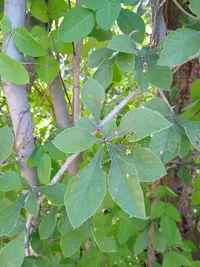
When planting near paths or work areas, orient main branches away from traffic and keep a clear buffer zone so the sharp spines do not snag clothing or skin during routine maintenance.

Mulch for root comfort

Apply a 5–8 cm layer of coarse organic mulch around, but not touching, the stem to stabilize root temperature and reduce soil surface compaction in sunny, dry sites.

Targeted pest scouting

Inspect the undersides of leaves and young shoot tips every 2–3 weeks during warm seasons, using a hand lens if available, so scale insects or mites are detected and treated before they spread through the dense canopy when caring for Randia echinocarpa.

Encourage branching structure

Pinch or lightly tip-prune the ends of overly long, upright shoots soon after flowering to promote lateral branching that distributes future fruit loads more evenly and reduces the risk of stems snapping.

Common Pests and Diseases

Citrus mealybugs

This pest often shelters in leaf axils and along young stems, sucking sap and excreting sticky honeydew that can lead to sooty mold growth. Symptoms include cottony white clusters, distorted new growth, and slowed vigor.

Solution

Isolate the plant, then wipe or dab visible mealybugs with cotton swabs dipped in 70% isopropyl alcohol and prune heavily infested twigs. Improve light and airflow, and use repeated applications of an insecticidal soap or neem oil spray, directed into crevices where insects hide, until no new clusters appear.

Scale insects

These insects attach firmly to stems and the undersides of leaves, feeding on sap and weakening the shrub. Symptoms include small, rounded or oval brown bumps, sticky honeydew, and a decline in flowering and overall vigor.

Solution

Scrape or rub off scale by hand or with a soft brush, then prune the most affected branches. Follow with several treatments of horticultural oil, thoroughly coating stems and leaf undersides to smother remaining insects and any newly hatched crawlers.

Leaf spot

This disease causes small water-soaked or brown spots on leaves that may enlarge, coalesce, and sometimes show yellow halos. Symptoms include premature leaf drop and a generally thin, stressed canopy, especially in warm, humid conditions.

Solution

Remove and dispose of affected leaves from the plant and surrounding ground to reduce inoculum, and avoid overhead watering so foliage dries quickly. Improve spacing and airflow, and if spotting continues to spread, apply a copper-based fungicide according to label directions during warm, wet periods.

Sooty mold

This disease appears as a black, soot-like coating on leaves and stems that grows on honeydew produced by sucking insects such as scale or mealybugs. Symptoms include dull, blackened foliage and reduced photosynthesis that can slow growth and flowering.

Solution

Address the underlying insect infestation first, then gently wash affected foliage with lukewarm water and a mild, diluted soap solution to remove the fungal coating. Improve airflow and light levels, and avoid excessive nitrogen fertilization, which encourages heavy sap-feeding insect activity.

Interesting Facts

Spiny tropical berry

This species produces hard, globose fruits covered in short, stiff spines, which give rise to its common Spanish name cuajilote or fruta china in parts of Mexico.

Dry forest specialist

It is naturally found in seasonally dry tropical forests of western Mexico, where it tolerates pronounced dry seasons and grows on rocky, well-drained slopes.

Caffeine-related family member

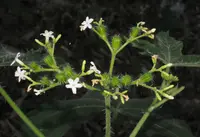
The plant belongs to the Rubiaceae family, the same botanical family as coffee and gardenia, and shares traits like opposite leaves and tubular, white, fragrant flowers.

FAQs about Randia echinocarpa

The fragrant white flowers are highly attractive to nocturnal moths and various small insects. These visitors transfer pollen between blossoms, improving fruit set. Planting it near other nectar sources can further support local pollinator populations.

Grow Healthy Plants with Botan Care

Keep your plants happy and healthy with plant identification, disease detection, and easy care guidance.

Botan plant care app — identify plants on mobile

Explore More Plants