Bog-style container
Use a wide, shallow, watertight container with several small overflow holes set a few cm above the base to mimic a bog, so water can pool at the bottom without flooding the root zone.

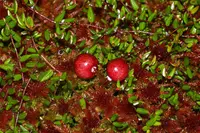
Small cranberry, Vaccinium oxycoccos, is a low, creeping shrub that forms dense mats with fine wiry stems and tiny evergreen leaves. It produces delicate pink, reflexed flowers followed by small, tart red berries. This species naturally occurs in cool, acidic bogs and peatlands across northern regions of North America and Europe. Its bog origin means it prefers consistently moist, acidic, low-nutrient conditions, which can make it more demanding than common garden shrubs. Once established in a suitable site, it is long-lived and forms attractive groundcover. Understanding how to care for Small Cranberry starts with recreating its cool, sunny, wet, acidic habitat as closely as possible.

Care Difficulty
Hard Care

Light Preference
Full Sun

Water Requirements
Aquatic

Temperature Preference
Cold Hardy

Hardiness Zone
2–6

Soil Texture
Peaty, Sandy, Organic-rich

Soil pH
Strongly acidic (4.5–5.5)

Soil Drainage
Waterlogged tolerant

Fertilization
Minimal (feed rarely)
Scan your plant to receive care tips personalized for your specific plant
Available on iOS and Android
This low-growing bog shrub prefers bright, gentle light that mimics open wetland edges.
This species needs consistently moist, acidic, low-nutrient soil, similar to a natural bog.
This cold-hardy shrub is adapted to cool climates with cold winters and mild summers.
This species prefers cool, moist air and benefits from moderately high humidity.
This bog species needs consistently moist, acidic, organic soil to thrive.
This low, creeping shrub can adapt well to container cultivation when moisture and acidity are controlled.
Vaccinium oxycoccos is a low-feeding bog species that benefits from light, acid-friendly nutrition in poor soils or containers.
Vaccinium oxycoccos needs only light structural pruning to maintain healthy, productive mats of growth.
This creeping bog plant is usually grown in the ground, so focus on careful transplanting rather than frequent repotting.
Vaccinium oxycoccos is commonly propagated to extend low mats for fruit production or groundcover.
This cranberry species is cold hardy in many temperate climates and usually needs minimal winter attention outdoors.

Plant Health Check
Not sure what's wrong with your plant? Check your plant's health inside the app.
This species forms very slender, creeping stems that can spread over sphagnum moss carpets, rooting at intervals and creating low mats instead of upright bushes like the larger American cranberry.
It is adapted to nutrient-poor, acidic peat bogs in cool northern climates, with fine, evergreen leaves that tolerate waterlogged, cold substrates where many other shrubs cannot survive.
The berries are noticeably smaller than those of cultivated cranberries but have a similar structure and a naturally high organic acid content, which gives them a sharp, intense taste valued in some regional cuisines and research on Vaccinium oxycoccos care.

Fossilized cranberry seeds identified as Vaccinium oxycoccos have been found in ancient peat deposits, showing that this species has been a characteristic component of northern bog ecosystems since at least the late Holocene, thousands of years before modern cranberry cultivation began.
This species grows slowly, often extending only a few centimeters per year. Growth is faster in consistently moist, acidic, cool conditions with ample light. Poor drainage, compacted soil, or heat stress can reduce shoot extension and stolon spread significantly.
Keep your plants happy and healthy with plant identification, disease detection, and easy care guidance.