Eleocharis bonariensis Care

Eleocharis bonariensis

About Eleocharis bonariensis

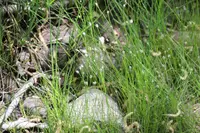
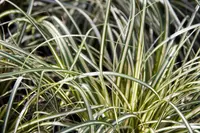
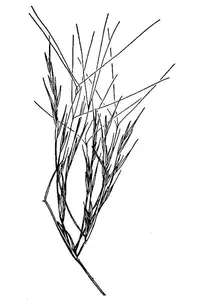
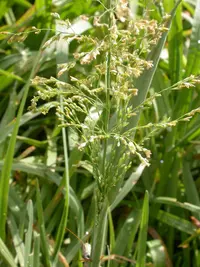
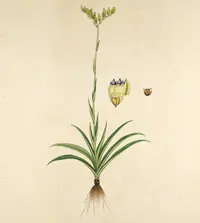
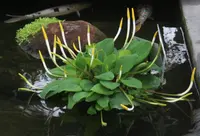
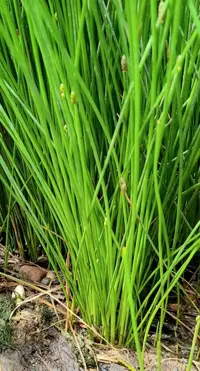
Eleocharis bonariensis is a small, clump-forming sedge from the Americas, often found along pond margins, marsh edges, and seasonally wet ground. It forms fine, rush-like green stems with a simple, upright habit and small, unobtrusive flower spikes at the tips.

This species suits naturalistic ponds, rain gardens, and wet zones where it can slowly spread and stabilize soil. It is generally undemanding if kept consistently moist and given full sun to light shade, which makes it relatively straightforward to care for Eleocharis bonariensis.

In cultivation it prefers shallow water or saturated, low-fertility soil and tolerates occasional flooding. Once established in suitable conditions, it needs little intervention beyond basic site management.

Main Plant Requirements

Care Difficulty

Moderate Care

Light Preference

Full Sun

Water Requirements

Aquatic

Temperature Preference

Warm Climate

Hardiness Zone

8–11

Soil Texture

Sandy, Loamy, Organic-rich

Soil pH

Acidic (5.5–6.5), Slightly acidic (6.5–7.0)

Soil Drainage

Waterlogged tolerant

Fertilization

Minimal (feed rarely)

Get Personalized Care Plan

Scan your plant to receive care tips personalized for your specific plant

Available on iOS and Android

How to Care for the Eleocharis bonariensis

This wetland sedge needs abundant light to form dense, healthy clumps.

  • Provide 6–8 hours of direct sun daily; full sun is best in cool to mild climates, with some light afternoon shade in hotter regions.
  • In very hot areas, combine strong morning sun with filtered or dappled light after 2–3 p.m. to reduce leaf scorch and drying of shallow soils.
  • If stems grow weak, pale, or lean, light is insufficient; move Eleocharis bonariensis to a more open, sun-exposed position.

This species prefers consistently wet conditions and does not tolerate drying out.

  • Maintain soil or substrate saturated or shallowly flooded; do not allow the top 2–3 cm to dry, especially during active growth in spring and summer.
  • Use mucky, organic, slow-draining soil near ponds or in bog beds; avoid coarse, fast-draining mixes that lose moisture within hours.
  • Underwatering shows as browning tips and thinning clumps, while stagnant, foul-smelling water with yellowing, limp stems suggests low oxygen and chronic waterlogging of roots.

This plant is adapted to mild to warm conditions but is sensitive to hard freezes.

  • Aim for 65–80°F (18–27°C) for strongest growth, especially when water is also mildly warm rather than cold.
  • The plant can survive brief dips to about 32°F (0°C), but repeated or hard frosts below 28°F (−2°C) may damage or kill foliage and crowns.
  • In hot summers above 90°F (32°C), ensure ample water depth and avoid isolated, shallow puddles that overheat and stress roots and shoots.

This marsh species needs constantly moist air and thrives in high humidity.

  • Aim for 60–90% humidity, matching the boggy conditions Eleocharis bonariensis experiences in nature.
  • Brown, crispy shoot tips and slowed growth indicate air that is too dry.
  • Group pots in trays of wet gravel or place near shallow water features to raise local humidity without waterlogging the crowns.

This species prefers permanently wet, fine-textured substrates rather than standard potting mixes.

  • Use a heavy, clayey or silty loam with high organic matter, such as garden loam blended with compost or leaf mold.
  • Keep drainage very slow; a saucer or outer cachepot that stays partially filled maintains saturated conditions at the root zone.
  • A pH around 6.0–7.5 is suitable; avoid strongly acidic or strongly alkaline sites that limit nutrient availability.
  • Do not use very sandy, fast-draining, or peat-only mixes, which dry out quickly and collapse, reducing aeration around the rhizomes.

This rush can be grown in containers if the setup maintains stable, saturated conditions.

  • Choose a wide, relatively shallow container to allow lateral spread of shoots while keeping the water level easy to control.
  • Use a rigid, heavy pot or place the container in a heavier outer tub to prevent tipping once the dense foliage develops.
  • Stand the pot inside a larger, watertight basin that holds several centimeters of water so the substrate remains consistently saturated without exposing rhizomes.

This wetland sedge benefits from light feeding under cultivation but tolerates lean conditions.

  • Use a balanced, water-soluble fertilizer (around 10-10-10) at 1/4–1/2 strength for caring for Eleocharis bonariensis in containers or nutrient-poor ponds.
  • Feed every 4–6 weeks during active growth in spring–summer if water is clear and plants appear pale or weak.
  • Avoid fertilizing in late fall–winter to prevent soft growth and nutrient runoff.
  • Prefer slow-release aquatic tabs or very thin layers of compost placed away from direct contact with rhizomes.

Pruning aims to keep Eleocharis bonariensis stands clean, dense, and healthy.

  • Best timing is late winter or very early spring before strong new growth appears.
  • Cut back dead, yellowed, or damaged stems at the base using clean scissors or hand shears.
  • Thin crowded clumps by removing entire small sections to improve light and water flow between shoots.
  • Avoid cutting healthy green stems too short, which can weaken the stand and slow regrowth.

This species is usually grown in ponds or wet beds, so transplanting clumps is more common than classic repotting.

  • Transplant when growth becomes congested, water flow is restricted, or roots form a tight mat at pond edges or in baskets.
  • Best season is early spring as new shoots start, allowing the plant to re-establish before summer heat.
  • Divide dense clumps every 2–4 years, keeping healthy sections with strong roots and several shoots each.
  • Reduce root stress by working quickly, keeping roots constantly moist, and replanting at the same depth into saturated, fine-textured substrate.

Eleocharis bonariensis is commonly propagated by division, with seed used mainly for larger habitat projects.

  • Divide mature clumps in early spring, when new shoots are just emerging and conditions are cool and moist.
  • Lift a section, gently tease or cut into small divisions, each with roots and several healthy stems.
  • Replant divisions into shallow water or very wet soil, firming substrate around roots to exclude air pockets.
  • For seed, sow fresh onto saturated, fine substrate under bright light and keep consistently shallowly flooded until seedlings establish.

In most mild to moderate climates this sedge is cold hardy and needs minimal winter care once established.

  • Tolerates light to moderate frost, with top growth often browning while rhizomes remain viable underwater or in wet soil.
  • In colder regions, leave dead stems standing until late winter to add slight insulation and reduce erosion.
  • For container plants in zones with hard freezes, move pots to a frost-free but cool, very bright area or sink baskets deeper in unfrozen water.

Care Tips

Shallow Water Positioning

Set containers or baskets so the crown sits just below the water surface (2–10 cm deep) to encourage dense tufting and reduce rot risk at the plant base.

Rhizome Edge Management

Every 1–2 years, lift the planting basket and trim back outer rhizomes with clean scissors to keep the clump compact and prevent it from overrunning nearby pond plants.

Sediment Control Strategy

Place the plant in a fine-mesh aquatic basket with washed sand or sandy loam and cap the surface with a thin gravel layer to limit soil escape and keep pond water clear.

Seasonal Thinning Routine

In late winter or very early spring, cut back dead or weak culms to just above the rhizome to open the stand, improve water flow, and stimulate uniform new growth.

Wildlife And Algae Balance

Combine this species with a mix of submerged and marginal plants and avoid overstocking fish, so natural shade and competition from other plants help limit filamentous algae around the clumps when growing Eleocharis bonariensis.

Common Pests and Diseases

Aquatic snails

These pests feed on young shoots and softer tissue, leaving irregular chew marks and sometimes stripping new growth near the waterline. This pest is more common in nutrient-rich ponds or containers with organic debris.

Solution

Manually remove visible snails and egg clusters from stems, baskets, and pond edges, and reduce excess organic debris or uneaten fish food that supports snail populations. In outdoor ponds, introduce natural predators such as certain fish species where appropriate, or use pond-safe, labeled molluscicide products carefully according to directions near stands of Eleocharis bonariensis plant care.

Leafhopper feeding damage

These insects suck sap from aerial shoots, which can cause fine white stippling, pale patches, and occasional distortion of thin culms. Symptoms include reduced vigor in dense clumps growing in shallow margins or damp soil beside water.

Solution

Trim and remove heavily affected stems to reduce populations, then encourage air movement around clumps and avoid very lush, nitrogen-heavy fertilization that attracts sap feeders. If needed, use a targeted insecticidal soap or pyrethrin spray labeled for ornamental grasses, applied in the evening to minimize impact on beneficial insects.

Rust fungus

This disease causes small orange to brown powdery pustules on culms and leaf-like stems, sometimes merging into larger patches that weaken affected shoots. Symptoms include premature browning and dieback of patches in dense plantings, especially under warm, humid conditions with poor air movement.

Solution

Cut and dispose of infected stems and surrounding dead material to reduce spore levels, and thin dense clumps so air can move freely through the stand. Avoid overhead irrigation of emergent foliage when possible and, in severe recurring cases, use a pond- and grass-safe fungicide labeled for rust diseases according to local regulations.

Leaf spot complex

This disease group causes small water-soaked lesions that turn brown or gray on emergent foliage, sometimes with a darker border, leading to cosmetic damage and occasional thinning of shoots. This disease generally appears under crowded, wet, and low-flow conditions in ponds or wet margins.

Solution

Remove and discard affected stems and accumulated plant litter, and improve water circulation or gentle flow around the planting area. Avoid high-nitrogen fertilization, reduce crowding by dividing dense clumps, and where needed apply a broad-spectrum fungicide labeled for foliar leaf spot on ornamental grasses, ensuring it is safe for aquatic or marginal plantings.

Aphids

These insects cluster on tender shoots and stem bases above the waterline, sucking sap and producing sticky honeydew that can attract sooty mold. This pest is more common on potted or container-grown plants near the edges of ponds or in nursery production beds.

Solution

Rinse colonies off emergent stems with a firm stream of water, taking care not to dislodge the plant from soft soil or baskets, and remove heavily infested shoots. If populations persist, apply insecticidal soap or horticultural oil labeled for aquatic-margin or ornamental grass use, treating in cooler parts of the day to avoid phytotoxicity.

Interesting Facts

South American origin

This sedge is native to South America, especially around the Río de la Plata region near Buenos Aires, which is reflected in its species name bonariensis meaning from Buenos Aires.

Mudflat specialist

The species typically colonizes shallow, seasonally flooded mudflats and wet depressions, forming low, tufted stands that help stabilize fine sediments in wetlands and river margins.

Tiny but fertile spikes

Its small, cylindrical flowering spikes produce numerous minute fruits (achenes) that are dispersed mainly by water, allowing new populations to establish along connected waterways and floodplains.

FAQs about Eleocharis bonariensis

This sedge spreads by creeping rhizomes and can form dense patches in shallow water or wet soil. In garden ponds or wetlands, use edging or containers to limit spread and remove excess clumps as needed.

Grow Healthy Plants with Botan Care

Keep your plants happy and healthy with plant identification, disease detection, and easy care guidance.

Botan plant care app — identify plants on mobile

Explore More Plants