sand spikerush Care (Eleocharis montevidensis)

sand spikerush

About sand spikerush

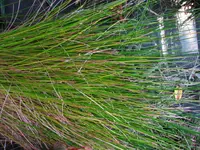
Sand spikerush, Eleocharis montevidensis, is a grass-like aquatic or bog plant forming dense clumps of fine, upright green stems. It has a low, tufted habit and spreads gradually by short rhizomes, creating soft, lawn-like patches in shallow water or very wet soil.

In nature it is found along ponds, streams, and wetlands in the Americas, adapted to fluctuating water levels. Its tolerance of standing water and poor drainage makes it well suited to water gardens and paludariums but less suitable for dry sites.

The plant prefers full sun, consistently moist to saturated conditions, and nutrient-rich, muddy or sandy substrates. These traits mean it is easy to grow where water is abundant, but more demanding in typical indoor pots, so learning how to care for sand spikerush is important.

Main Plant Requirements

Care Difficulty

Moderate Care

Light Preference

Full Sun

Water Requirements

Aquatic

Temperature Preference

Warm Climate

Hardiness Zone

8–11

Soil Texture

Sandy, Loamy, Organic-rich

Soil pH

Acidic (5.5–6.5), Slightly acidic (6.5–7.0)

Soil Drainage

Waterlogged tolerant

Fertilization

Light (every 4–6 weeks)

Get Personalized Care Plan

Scan your plant to receive care tips personalized for your specific plant

Available on iOS and Android

How to Care for the sand spikerush

Eleocharis montevidensis prefers bright, open exposure with consistent moisture and sun.

  • Provide 4–8 hours of direct sun daily, ideally full morning sun with some light afternoon shade in hotter regions.
  • Plant sand spikerush in a site that receives at least bright, unobstructed light; it tolerates partial shade but becomes thinner and longer if light drops below 4 hours.
  • In summer, monitor for leaf tip browning from intense afternoon sun; in winter, ensure it is not shaded by buildings or taller plants for most of the day.

This wetland species needs consistently saturated conditions rather than intermittent drying.

  • Keep soil or substrate constantly wet; in the ground or ponds, allow water to stand at or just above the crown, avoiding complete drying between refills.
  • For marginal plantings, soil should not dry deeper than 1–2 cm; wilting, curling, or browning tips indicate underwatering or low water level.
  • Soft, yellowing or collapsing stems can signal prolonged stagnant water without oxygen in heavy, anaerobic soil; use loamy, organic soil with some water movement if possible.

This species grows best in mild to warm conditions and is sensitive to hard frost.

  • Optimal growth occurs around 68–82°F (20–28°C); it continues growing slowly down to about 60°F (16°C).
  • The plant tolerates brief dips to about 25–28°F (-4 to -2°C) but repeated freezes can kill foliage; in colder climates, protect crowns with mulch or grow in sheltered aquatic sites.
  • In hot summers up to 90–95°F (32–35°C), it generally copes if soil or water stays cool and saturated; heat stress appears as pale, scorched tips when moisture is insufficient.

This species prefers consistently moist air but adapts to a wide humidity range.

  • Target 50–80% humidity, especially in heated indoor spaces where air dries out.
  • Tolerates brief dips to 30–40%, but leaf tips may brown and growth can stall if kept drier for long.
  • Increase humidity by grouping pots, placing containers on water-filled pebble trays, or situating near an evaporative humidifier when caring for sand spikerush.

Eleocharis montevidensis thrives in saturated, organic-rich substrates that mimic wetland margins.

  • Use a heavy mix of 50–70% peat or coco coir with compost plus 30–50% sand to hold water while preventing compaction.
  • Aim for pH 6.0–7.5, as strongly acidic or alkaline substrates reduce nutrient availability and weaken growth.
  • Keep the mix constantly wet or even shallowly flooded; avoid fast-draining cactus or perlite-heavy blends that dry out quickly.
  • In outdoor tubs or bog containers, line the bottom with a fine-textured layer to reduce rapid drainage while still allowing slow overflow.

This sedge is suitable for container growing, especially in bog gardens or water tubs.

  • Choose a wide, stable container to accommodate spreading clumps and prevent tipping when the saturated medium becomes heavy.
  • Use a pot without drainage holes or place a watertight cachepot underneath to maintain a permanent water reservoir above the soil surface.
  • Position the container where splashing or overflow is acceptable, since water should sit at or slightly above the substrate much of the time.

This wetland sedge needs modest feeding, especially when grown in containers rather than nutrient-rich ponds or bogs.

  • Use a diluted balanced liquid fertilizer (around 10-10-10), at 1/4–1/2 strength, during the active growing season.
  • Apply every 4–6 weeks in spring and summer for potted sand spikerush, skipping feeds if growth is strong in rich soil or water.
  • Avoid fertilizing in late fall and winter when growth slows, to prevent weak, soft tissue.
  • Rinse or flush containers occasionally to prevent salt buildup from repeated liquid feeds.

Pruning Eleocharis montevidensis is mainly hygienic, helping maintain a neat, healthy clump of stems.

  • Best time for more thorough pruning is late winter or early spring before strong new growth starts.
  • Use clean scissors or hand shears to cut brown, dead, or damaged stems at the base.
  • Thin congested areas by removing some older stems to improve light and air movement through the clump.
  • Light trimming of uneven or wind-bent shoots can refine form without stressing the plant.

This clumping sedge spreads slowly and benefits from occasional division or transplanting when crowded.

  • Look for roots circling the pot, reduced water absorption, or slowed growth as signs it needs more space.
  • Plan to transplant or divide every 2–3 years in early spring, when new shoots are just emerging.
  • Lift the clump gently, tease or cut it into sections with healthy roots and several shoots each, and replant promptly.
  • Keep roots consistently moist after moving and shade the plant lightly for 3–5 days to reduce transplant shock.

This species is most commonly propagated by division, which keeps named forms and growth habit consistent.

  • Divide mature clumps in early spring when new shoots appear and soil is workable.
  • Lift a section and separate it into smaller pieces, each with firm roots and several green stems.
  • Replant divisions at the same depth in saturated or very moist soil, spacing 10–15 cm apart.
  • Maintain constant moisture and mild temperatures (60–75°F) to support quick re-establishment.

Eleocharis montevidensis has limited frost tolerance, so winter care matters in cooler climates.

  • In zones warmer than about USDA 8, in-ground plants usually overwinter if soil stays moist and does not freeze deeply.
  • In colder regions, mulch the root zone with 5–8 cm of straw or compost to buffer temperature swings.
  • Move container plants indoors to a cool, bright, frost-free spot or sink pots into the ground for added insulation.

Care Tips

Aquatic Pot Setup

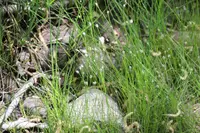
Use a wide, shallow container lined with heavy loam in mesh pond baskets, then submerge so the soil surface sits 5–10 cm below the water to create a stable rooted zone and prevent soil from floating away.

Edge Containment

Sink rigid plastic or metal edging 10–15 cm deep around planting areas in ponds or bog gardens to limit rhizome spread and keep clumps from invading adjacent plantings.

Oxygenation Management

Combine this species with submerged oxygenating plants or a small water pump to keep water gently moving, which reduces algae buildup on the stems and keeps growth cleaner and more vigorous.

Seasonal Thinning

In late winter or very early spring, rake through the clump with a gloved hand or small cultivator to pull out dead or weak stems, improving light penetration and reducing fungal issues before new growth starts.

Divide For Rejuvenation

Every 2–3 years lift and divide overgrown clumps into smaller sections with healthy white roots, then replant at the same depth to maintain dense, fresh growth when growing sand spikerush in ornamental ponds or bogs.

Common Pests and Diseases

Aquatic snails

These pests often graze on soft new shoots and leaf bases, leaving ragged edges or small holes in the blades. This pest is frequent in pond or aquarium setups where sand spikerush is grown submerged or semi-submerged.

Solution

Hand-pick visible snails, set simple lettuce or vegetable bait traps overnight, and reduce overfeeding of fish to limit food sources. For heavier infestations, use a pond-safe or aquarium-safe snail control product according to label directions and rinse or replace heavily chewed shoots to encourage fresh growth.

Algae overgrowth

This disease-like overgrowth occurs in submerged or shallow-water culture, where algae coat stems, roots, and substrate, blocking light and slowing growth. Symptoms include slimy green, brown, or filamentous layers on the plant and substrate.

Solution

Reduce excess nutrients by limiting fertilizer and organic debris, increase water changes, and improve circulation or filtration. Shade the water surface slightly or adjust light duration to 8–10 hours, and manually remove algae from blades and substrate to allow healthy photosynthesis and support stable Eleocharis montevidensis care.

Leaf spot

This disease causes small brown or dark olive spots and streaks on the thin blades, sometimes merging into larger dead patches. Symptoms include premature browning and collapse of affected leaves, especially in dense, poorly ventilated plantings at the water margin.

Solution

Trim and remove affected blades to reduce inoculum, then improve air movement and avoid constant wetting of foliage from overhead watering. If leaf spot continues to spread, apply a pond-safe or landscape-safe fungicide labeled for ornamental grasses, following directions closely and monitoring new growth for healthy, unspotted leaves.

Spider mites

These insects occasionally appear when plants are grown in very warm, dry indoor or greenhouse conditions, causing pale stippling and fine webbing on emergent blades. This pest typically weakens the plant by sucking sap, leading to thin, yellowed growth.

Solution

Rinse foliage thoroughly with a firm stream of water, including the base of the clumps, to dislodge mites and webs. If needed, apply insecticidal soap or horticultural oil to all above-water parts, repeat every 5–7 days until no new damage appears, and slightly raise humidity to discourage reinfestation in sand spikerush indoor care.

Interesting Facts

Southern wetlands native

This species is naturally distributed from the southern United States through parts of South America, where it grows in marshes, pond margins, and seasonally flooded flats with sandy or silty soils.

Amphibious growth form

It tolerates both shallow submersion and periodically exposed, moist soil, which is why it adapts well to use along the edges of garden ponds and in paludariums when given similar waterlogged conditions.

Fine-textured habitat cover

Its dense clumps of narrow, cylindrical stems create fine underwater and shoreline structure that small aquatic invertebrates and juvenile fish use for shelter in natural and artificial ponds.

FAQs about sand spikerush

This species spreads by short rhizomes, forming dense clumps or low colonies over time. In garden ponds or wet areas it is usually manageable, but in ideal, constantly wet sites it can slowly occupy available open soil or shallow water.

Grow Healthy Plants with Botan Care

Keep your plants happy and healthy with plant identification, disease detection, and easy care guidance.

Botan plant care app — identify plants on mobile

Explore More Plants