Seasonal Water Level
In outdoor ponds or slow streams, lower the water level slightly in late autumn so the plant crowns sit just below the surface, which protects them from freeze damage yet keeps roots submerged and alive.

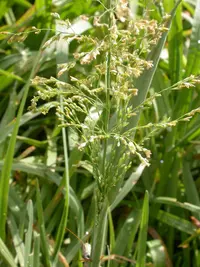
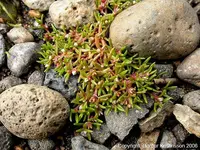
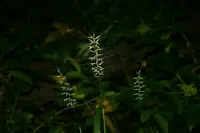
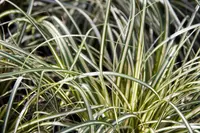
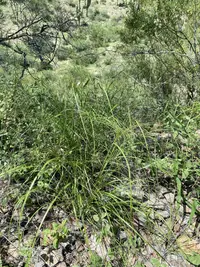
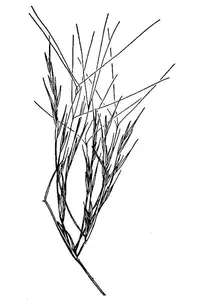
Water whorlgrass (Catabrosa aquatica) is a small, delicate aquatic or semi-aquatic grass often found along cool streams, ditches, and pond margins. It forms low, tufted clumps with fine, soft leaves and airy flower clusters that sway above shallow water or saturated soil.
This species is native to temperate regions of Europe, Asia, and North America, usually in clean, slow-moving or still freshwater. It prefers consistently wet conditions, cool temperatures, and low competition from taller, aggressive plants, which can make it somewhat specific in its site requirements. Gardeners who want to care for water whorlgrass should focus on stable moisture, gentle water movement, and unpolluted conditions for best results.

Care Difficulty
Moderate Care

Light Preference
Full Sun

Water Requirements
Aquatic

Temperature Preference
Cool Climate

Hardiness Zone
3–8

Soil Texture
Silty, Loamy, Organic-rich

Soil pH
Slightly acidic (6.5–7.0), Neutral (7.0)

Soil Drainage
Waterlogged tolerant

Fertilization
Minimal (feed rarely)
Scan your plant to receive care tips personalized for your specific plant
Available on iOS and Android
This aquatic grass prefers bright, gentle light similar to open stream margins.
This species naturally grows in or beside shallow, slow-moving water and needs constant moisture.
This cool- to mild-climate aquatic grass performs best in moderate temperatures with moist, stable conditions.
This semi-aquatic grass prefers very high humidity close to saturated air around its foliage.
This species grows best in permanently wet, fine-textured substrate that mimics a shallow stream margin.
This species is suitable for container growing when the pot is kept in or beside shallow water features.
Catabrosa aquatica grows in nutrient-rich, wet habitats and only needs light, controlled feeding in culture.
Catabrosa aquatica responds well to light, periodic pruning to maintain healthy, dense growth in managed plantings.
This species is usually grown along pond margins or in shallow water, so focus on thoughtful transplanting rather than frequent repotting.
Catabrosa aquatica is commonly multiplied by division and sometimes by seed in managed water gardens or restoration plantings.
In many temperate regions this aquatic grass is reasonably cold hardy and needs minimal winter care once established in natural ponds or streams.

Plant Health Check
Not sure what's wrong with your plant? Check your plant's health inside the app.
This species naturally grows in shallow running water, stream margins, and seepage areas, and can form loose underwater and emergent shoots depending on water depth and flow.
Catabrosa aquatica develops a dense network of very fine roots that anchor it in soft, often moving substrates, helping stabilize small patches of stream and ditch banks.
Although often described as nearly cosmopolitan in temperate regions, it occurs very patchily, with scattered native and introduced populations across Europe, Asia, North America, and parts of the Southern Hemisphere.

In North America, Catabrosa aquatica is regarded as native mainly to western regions and some northern areas, while many eastern occurrences are considered introduced, so its conservation status can differ markedly from one state or province to another.
This species can spread by seed and short creeping stems in consistently wet sites, but it is usually not strongly invasive. Regular thinning and removal of unwanted clumps keep growth in check and maintain open water areas.
Keep your plants happy and healthy with plant identification, disease detection, and easy care guidance.