BotaN logo

buttonbush Care (Cephalanthus occidentalis)

Also known as: buttonbush, california button willow, button-willow, honey-bells

About buttonbush

Buttonbush, Cephalanthus occidentalis, is a deciduous shrub native to wetlands, stream banks, and pond edges across much of North America. It naturally forms a rounded, multi-stemmed shape.

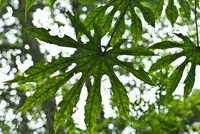
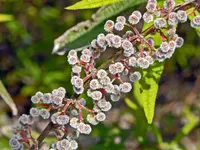
The plant is known for its spherical white flower clusters that attract bees, butterflies, and other pollinators, followed by dense seed heads for wildlife. Glossy green leaves create a full, textured look through the growing season.

It thrives in consistently moist to wet soils and tolerates periodic flooding, which makes it well suited to rain gardens and shorelines. Understanding how to care for buttonbush mainly involves providing enough moisture and an open, sunny to lightly shaded site.

Main Plant Requirements

Care Difficulty

Easy Care

Light Preference

Full Sun

Water Requirements

Aquatic

Temperature Preference

Cold Hardy

Hardiness Zone

4–10

Soil Texture

Loamy, Clay, Silty

Soil pH

Acidic (5.5–6.5), Slightly acidic (6.5–7.0)

Soil Drainage

Waterlogged tolerant

Fertilization

Minimal (feed rarely)

Get Personalized Care Plan

Scan your plant to receive care tips personalized for your specific plant

Available on iOS and Android

How to Care for the buttonbush

This wetland shrub needs abundant light to flower and stay compact.

  • Provide 6–8 hours of direct sun daily; morning and midday sun promote dense growth and heavy bloom on buttonbush.
  • Tolerates partial shade with 3–4 hours of direct light, but flowering and branch strength decrease as shade increases.
  • In hot southern climates, protect from intense late-afternoon sun with light shade; in cooler regions, choose an open, unshaded site for best performance.

This species is adapted to consistently wet conditions and does not tolerate extended drying.

  • In the ground, aim for soil that stays evenly moist to saturated; do not allow more than the top 1–2 cm to dry in summer.
  • Cephalanthus occidentalis thrives along ponds, streams, or in rain gardens where brief, shallow flooding is common and drainage is slow, not stagnant.
  • Watch foliage for cues: wilting, dull leaves, and crisp tips indicate underwatering, while yellowing leaves and a sour soil smell suggest chronic waterlogged, anaerobic soil.

This hardy shrub tolerates a wide temperature range but grows best in moderate warmth.

  • Active growth is strongest at 70–85°F (21–29°C); young shoots and flower development are most vigorous in this range.
  • Mature plants survive winter lows near -20°F (-29°C) in the ground when properly established and mulched in cold climates.
  • Heat tolerance is good up to about 95°F (35°C) if soil remains wet; prolonged frost heave or exposed roots can damage young plants in late winter and early spring.

This wetland shrub prefers high humidity but adapts to typical outdoor levels if soil moisture is constant.

  • Aim for 60–90% humidity in its immediate microclimate by planting near ponds or water features.
  • Buttonbush tolerates drier ambient air only when roots stay in consistently moist or shallowly flooded soil.
  • Crisping leaf edges, slowed growth, and increased spider mite activity signal humidity stress under hot, dry wind.
  • Increase effective humidity outdoors by grouping plants, using mulch to hold soil moisture, or allowing shallow standing water.

Cephalanthus occidentalis thrives in consistently wet, organic-rich soils that can even be seasonally flooded.

  • Use a deep, loamy soil with high organic matter, such as a mix of native loam plus 30–50% compost or leaf mold.
  • Soils may be poorly drained and heavy, but avoid compacted subsoil that excludes air completely around the root zone.
  • It tolerates a wide pH range, roughly pH 5.5–7.5, so focus more on moisture retention and organic content than precise pH.
  • In drier sites, incorporate compost and some fine bark to increase water-holding capacity while preserving enough pore space for roots to breathe.

This species can be grown in large containers if moisture and stability are carefully managed.

  • Choose a wide, heavy container to counterbalance the shrub’s mature height and reduce tipping in strong winds.
  • Use a deep pot to give the extensive root system room while allowing a water reservoir zone above the drainage layer.
  • Select thick-walled plastic or glazed ceramic containers to slow evaporation and keep the root zone more evenly moist.

Cephalanthus occidentalis is a low-maintenance native shrub that benefits from modest feeding in poor soils only.

  • Use a balanced slow-release fertilizer (around 10-10-10) or a light layer of compost in early spring if growth is weak.
  • Apply once per year during the growing season; avoid multiple high-dose applications.
  • Dilute liquid products to 1/2 strength and water in thoroughly to prevent root burn.
  • Skip fertilization in winter and in fertile, moist soils, as buttonbush often grows well without extra nutrients.

Cephalanthus occidentalis responds well to light, structured pruning that maintains shape and encourages flowering wood.

  • Prune in late winter or very early spring before new growth starts to avoid removing flower buds.
  • Remove dead, damaged, or crossing stems first using clean, sharp bypass pruners or loppers.
  • Thin congested interior branches to improve air flow and light penetration, reducing disease risk.
  • Shorten overly long shoots to control size and promote vigorous new flowering stems.

This shrub is usually grown in the ground, so focus on careful transplanting rather than frequent repotting.

  • Transplant in early spring or fall when temperatures are mild and soil is moist but not waterlogged.
  • Choose a consistently wet site and move the root ball with as much soil as possible to limit disturbance.
  • Water deeply before and after transplanting, then maintain even moisture until new growth resumes.
  • Container plants need a larger pot when roots circle the sides or growth slows, typically every 2–3 years.

Cephalanthus occidentalis can be propagated by seeds or cuttings under simple, controlled conditions.

  • Collect semi-ripe stem cuttings in mid to late summer, 10–15 cm long, with 2–3 nodes.
  • Remove lower leaves, dip the base in rooting hormone, and place in a moist, free-draining medium under high humidity.
  • Sow seeds in fall or late winter; a brief cold stratification period improves germination.
  • Keep cuttings and seed trays warm (65–75°F) with bright, indirect light until roots or seedlings establish.

This shrub is hardy in much of the US and generally needs minimal winter care once established in the ground.

  • In cold regions, apply a 5–8 cm mulch layer over the root zone after soil cools, keeping mulch off stems.
  • Container-grown plants are less hardy; move pots into an unheated garage or sheltered area in very cold climates.
  • Do not prune heavily in fall; allow stems to harden before winter to reduce dieback.

Care Tips

Waterfront placement

Plant near a pond edge, swale, or low spot where soil stays consistently moist, which mimics its natural wetland habitat and greatly reduces the need for supplemental irrigation when growing buttonbush.


Wildlife buffer zone

Site the shrub at least 3–5 ft from paths or patios so pollinators and birds can use the nectar and seed heads undisturbed, and so you avoid brushing against wet foliage that can harbor insects.

Renewal thinning

Every 3–4 years, remove 1–3 of the oldest stems at the base in late winter to stimulate vigorous new shoots, keep the shrub from becoming overly woody, and maintain good air flow through the canopy.

Flood and drought check

After extreme weather, inspect the root zone for erosion, exposed roots, or cracked soil and top up with a 5–8 cm layer of composted mulch to stabilize moisture and protect the root system.

Seed head management

If natural reseeding is not desired, shear off spent flower balls before seeds mature, but leave some if attracting birds and supporting wildlife is a priority in your landscape.

Common Pests and Diseases

Buttonbush dieback

Symptoms include twig dieback from the tips inward, often following stress such as drought or winter injury. This condition is usually linked to opportunistic canker or blight fungi entering through damaged tissue.

Solution

Prune out affected twigs and branches back to healthy wood during dry weather, disinfecting pruners between cuts with alcohol or a 10% bleach solution. Reduce stress by maintaining consistent soil moisture, applying 5–8 cm of mulch over the root zone (kept off the stem), and avoiding heavy fertilizer that encourages weak, frost-sensitive growth.

Leaf spot

This disease causes small tan to dark brown spots on leaves that may coalesce, especially in warm, wet weather and on plants in poorly ventilated sites. Severe infections can lead to premature leaf drop but usually do not kill established shrubs.

Solution

Remove and discard heavily spotted, fallen leaves to reduce fungal spores, and water at soil level rather than overhead to keep foliage dry. If leaf spot recurs annually and is severe, use a labeled copper or chlorothalonil fungicide at the first sign of spotting, following local regulations and label instructions carefully.

Buttonbush gall midge

This pest causes swollen, knot-like galls on young stems or flower heads, which may become distorted and fail to open normally. The damage is mainly cosmetic but can reduce flowering on heavily infested plants.

Solution

Prune off and discard galled stems and flower clusters before mid-summer to remove larvae and reduce the next generation. Encourage natural predators by avoiding broad-spectrum insecticides, and maintain plant vigor through proper watering and mulching to help the shrub outgrow cosmetic damage.

Scale insects

These insects appear as small, dome-shaped or shell-like bumps on stems and sometimes leaves, often accompanied by sticky honeydew and sooty mold. Heavy infestations can cause yellowing foliage and reduced vigor over time.

Solution

For light infestations, gently scrub stems with a soft brush dipped in soapy water or wipe with a cloth moistened with 70% isopropyl alcohol, then rinse with clean water. For larger shrubs with persistent problems, consider a horticultural oil spray in late winter or early spring to smother overwintering scales, applying thoroughly to all stems.

Aphids

These insects cluster on tender shoot tips and the undersides of leaves, sucking sap and excreting sticky honeydew that can lead to sooty mold. Growth may become distorted, and new shoots can appear curled or stunted when populations are high.

Solution

Dislodge aphids with a strong stream of water from a hose, repeating as needed, and encourage beneficial insects such as lady beetles by avoiding broad-spectrum insecticides. If populations remain high, apply insecticidal soap or a light horticultural oil to thoroughly coat infested shoots, treating in the early morning or evening to reduce leaf stress and following label directions for Cephalanthus occidentalis care.

Interesting Facts

Specialist pollinator strategy

The spherical flower heads have long protruding styles that create a brush-like surface, which is especially attractive to butterflies, bees, and day-flying moths that can easily access the nectar from many small flowers at once.

Flood-tolerant shrub

This species naturally grows along pond margins, swamps, and streambanks, and can tolerate periodic flooding and waterlogged soils that would quickly damage many other shrubs.

Valuable wildlife host

The plant provides dense cover and nesting sites for birds, while its seeds are eaten by waterfowl and other wildlife, making it an important structural and food resource in wetland habitats.

Botan icon

Did you know?

This species was formally described by Carl Linnaeus in 1753 and is one of the classic native shrubs used by ecologists to help define and restore wetland plant communities across much of eastern North America.

FAQs about buttonbush

Lack of flowers usually comes from too little sun, pruning at the wrong time, or plants that are still immature. Overfertilizing with high nitrogen can also reduce flowering. Stable moisture and patience are key for reliable blooms.

Grow Healthy Plants with Botan Care

Keep your plants happy and healthy with plant identification, disease detection, and easy care guidance.

Botan plant care app — identify plants on mobile

Explore More Plants