spidergrass Care (Aristida ternipes)

spidergrass

About spidergrass

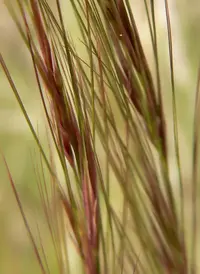
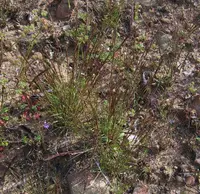
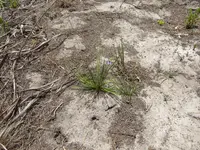
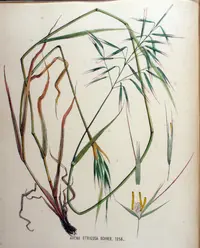
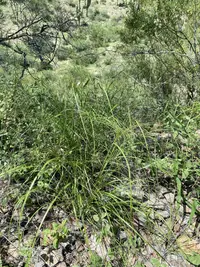
Spidergrass, Aristida ternipes, is a warm-season bunchgrass native to arid and semi-arid regions of the southwestern United States and northern Mexico. It forms airy, upright clumps with fine, wiry leaves and delicate seed heads that move easily in the wind.

This grass typically grows in dry, open habitats and is adapted to heat, sun, and low fertility soils. Its drought tolerance and minimal nutrient needs make it relatively low-maintenance once established.

For most gardeners, the main considerations when learning how to care for spidergrass are providing full sun, sharply drained soil, and avoiding consistently wet conditions, which this species does not tolerate well.

Main Plant Requirements

Care Difficulty

Easy Care

Light Preference

Full Sun

Water Requirements

Low Water

Temperature Preference

Warm Climate

Hardiness Zone

7–10

Soil Texture

Sandy, Loamy, Rocky

Soil pH

Slightly acidic (6.5–7.0), Neutral (7.0)

Soil Drainage

Well-drained

Fertilization

Minimal (feed rarely)

Get Personalized Care Plan

Scan your plant to receive care tips personalized for your specific plant

Available on iOS and Android

How to Care for the spidergrass

Aristida ternipes prefers open, sunny sites that mimic its native grassland habitat.

  • Provide 6–8 hours of direct sun daily; full sun promotes dense, upright growth in spidergrass.
  • It tolerates light afternoon shade, especially in hotter regions, but less than 4 hours of sun leads to weak, floppy stems.
  • In summer, monitor for leaf scorching on exposed, reflective sites; in winter, ensure plants are not shaded by buildings or evergreen shrubs.

This warm-season bunchgrass prefers dry to slightly dry soil and is sensitive to prolonged saturation.

  • Allow the top 5–8 cm of soil to dry between waterings; in the ground this often means no added water once established except during long droughts.
  • During the first growing season, water deeply when foliage starts to curl or lose color, then let the soil drain fully.
  • Use sharply drained, sandy or gravelly soil; persistent wetness, foul smell, or blackened crowns indicate overwatering, while crisp, browning leaf tips suggest underwatering.

This warm-season grass thrives in hot climates and endures a wide temperature range once established.

  • Optimal growth occurs around 75–95°F (24–35°C), with active shoot and root development in late spring and summer.
  • Mature plants tolerate brief drops to about 15–20°F (-9 to -6°C), but repeated hard frosts can damage foliage; crowns usually resprout in spring.
  • It handles heat up to 105°F (40°C) if soil is well-drained; during extreme heat waves, limit disturbance and avoid heavy watering in the hottest part of the day.

This warm-climate grass handles low humidity well, so moisture in the air is rarely a concern.

Aristida ternipes prefers lean, fast-draining mineral soils that dry quickly between waterings.

  • Use a sandy or gritty mix, such as 60–70% coarse sand or fine gravel blended with 30–40% standard potting mix.
  • Ensure very sharp drainage; water must pass through within seconds rather than pooling around the roots.
  • Keep pH slightly acidic to neutral, around 6.0–7.2, without heavy lime additions unless a soil test suggests it.
  • Avoid dense, high-peat or clay-heavy substrates that stay wet for long periods, as these promote root rot and weak growth.

This species can be grown in containers if the pot stays dry and stable around the roots.

  • Choose a wide, low container to accommodate the spreading clump and reduce the chance of the plant tipping over in wind.
  • Use a potting mix that drains faster than in-ground soil, then raise the container slightly on feet or bricks to speed runoff.
  • Select a heavy terracotta or concrete pot in exposed sites so the airy foliage does not make the container unstable during gusts.

Aristida ternipes is a tough native grass that needs only light, occasional feeding in lean soils.

  • Use a low-dose balanced NPK granular or slow-release fertilizer in spring if growth appears weak or foliage pale.
  • Apply once at the start of the growing season; avoid repeated applications that cause floppy, overly lush spidergrass foliage.
  • Dilute liquid products to 1/4–1/2 strength and water onto moist soil, never onto dry roots.
  • Skip feeding in late fall and winter, when growth is dormant or very slow, to prevent soft, cold-tender growth.

Pruning Aristida ternipes is minimal and mainly keeps the clump tidy and long-lived.

  • Best time is late winter or very early spring before new shoots appear.
  • Use clean hand pruners or shears to remove dead, broken, or lodged stems near the base.
  • Lightly thin crowded, older stems to maintain an open, fountain-like form and encourage fresh growth.
  • Avoid cutting into green growing points during the season, which can weaken the plant and reduce its ornamental texture.

Aristida ternipes is usually grown in the ground, so focus on careful transplanting rather than frequent repotting.

  • Transplant in spring or early fall when temperatures are mild and the soil is workable.
  • Move clumps only when necessary, such as when growth declines, the site is overcrowded, or better drainage is available.
  • Dig a wide hole, lift the root mass with minimal disturbance, and replant at the same depth in well-drained soil.
  • Water thoroughly after transplanting, then keep soil lightly moist for 1–2 weeks to limit root stress and help re-establishment.

Aristida ternipes is most often propagated by seed, with division used occasionally for established clumps.

  • Collect ripe seeds in late summer or fall and sow in late winter to early spring.
  • Use a free-draining seed mix, barely cover the seeds, and maintain 65–75°F and even moisture until germination.
  • Provide bright light and good air flow for seedlings to prevent damping-off, a fungal disease that kills young plants.
  • For mature plants, divide small sections from the outer clump in spring, replant promptly, and water to settle soil.

Aristida ternipes is generally cold hardy in much of its range and needs little winter care in the ground.

  • In colder zones, leave dry foliage standing over winter to insulate the crown from freeze-thaw cycles.
  • Apply a light, dry mulch around (not on top of) the crown in late fall where winters are harsh or poorly drained.
  • Container-grown plants in cold climates can be moved to a sheltered, unheated but frost-free spot to protect roots.

Care Tips

Clump Renewal

Every 3–4 years, divide and replant the outer, more vigorous sections of the clump to prevent center die-out and maintain a dense, uniform mound.

Seed Head Management

If self-seeding is not desired, shear off spent flowering stems before seeds fully mature to limit volunteer seedlings and keep planting lines clean.

Wind Exposure Training

Establish plants in a moderately windy spot or gradually expose container plants to stronger breezes so the stems develop thicker, more resilient tissue and resist lodging.

Low-Competition Strip

Maintain a weed-free, gravel or bare-soil strip of 10–15 cm around each plant base to reduce competition for water and nutrients and to showcase the tufted form.

Seasonal Comb-Out

In late winter, gently comb through the foliage with gloved fingers or a soft rake to remove dead blades and thatch without cutting fresh growth, which simplifies caring for spidergrass in established plantings.

Common Pests and Diseases

Grass webworms

This pest feeds on blades and stems, causing notched leaves, thinning patches, and fine webbing near the base of the clump. Symptoms include irregular brown patches that appear suddenly in otherwise healthy plantings.

Solution

Reduce thatch and dense debris around the plants, encourage birds and beneficial insects, and, if damage is significant, use a targeted Bacillus thuringiensis (Bt) product labeled for lawn caterpillars, applied in the evening to recently watered foliage and soil surface.

Fall armyworms

These insects can move through Aristida stands in waves, chewing foliage down to stubble and leaving brown, scalped areas. This pest is most active in late summer and early fall in warm regions.

Solution

Monitor for early chewing damage and caterpillars on blades, mow or trim infested clumps to remove many larvae, and irrigate deeply before applying a selective biological control such as spinosad or Bt to target caterpillars while limiting harm to predators and pollinators.

Fungal leaf spots

This disease appears as small tan, reddish, or dark brown lesions on blades, often enlarging and causing premature browning of foliage in humid or overcrowded plantings. Symptoms include a general decline in ornamental appearance rather than plant death.

Solution

Improve air circulation by thinning clumps and avoiding overhead irrigation, remove and discard heavily spotted foliage, and, if spotting persists, use a grass-safe fungicide labeled for leaf spots, applied according to label directions during extended wet periods.

Rust

This disease produces small orange to brown pustules on leaf surfaces that rub off as powder, leading to yellowing blades and reduced vigor. Symptoms include dusty spore deposits on hands or gloves after handling affected foliage.

Solution

Space plants to increase airflow, avoid wetting the foliage in late day, remove and destroy heavily infected leaves, and in severe cases apply a systemic fungicide labeled for rust on ornamental grasses, rotating modes of action if repeated treatment is necessary.

Root-knot nematodes

These microscopic worms attack roots, causing galls, stunting, and poor drought tolerance, especially in sandy soils where Aristida ternipes is often grown. Symptoms include plants that remain thin and off-color even with adequate light and water.

Solution

Solarize infested planting areas during the hottest months by covering moist soil with clear plastic for 4–6 weeks, incorporate organic matter to support nematode-suppressive microbes, and rotate or interplant with nematode-resistant or suppressive species to reduce long-term pressure when planning Aristida ternipes plant care.

Interesting Facts

Distinctive triple awns

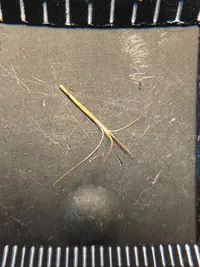
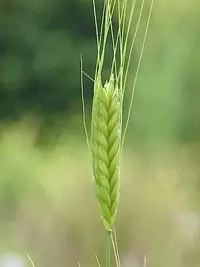
The spikelets of this grass bear three long, bristle-like awns that twist and spread as they dry, helping the seeds lodge into soil and plant litter in arid habitats.

Adapted to desert washes

Aristida ternipes commonly grows in sandy or gravelly desert washes and arroyos in the southwestern United States and northern Mexico, where it tolerates episodic flooding followed by extended drought.

Role in desert vegetation

This species is a characteristic component of desert grassland and shrubland communities, contributing to soil stabilization and providing fine fuel that influences natural fire regimes in these ecosystems.

Botan icon

Did you know?

In some parts of the southwestern United States, Aristida ternipes develops especially dense, tufted clumps that can form visually distinctive patches in desert washes, making it a useful indicator of particular sandy or gravelly microhabitats for field botanists.

FAQs about spidergrass

Brown leaf tips or patches usually result from drought stress, excess fertilizer salts, or strong hot winds. Check soil moisture, reduce fertilizer, and use a light mulch layer to stabilize moisture and protect roots from heat.

Grow Healthy Plants with Botan Care

Keep your plants happy and healthy with plant identification, disease detection, and easy care guidance.

Botan plant care app — identify plants on mobile

Explore More Plants